Practical Steps Business Owners Can Take to Increase Their Credit Score in 2026
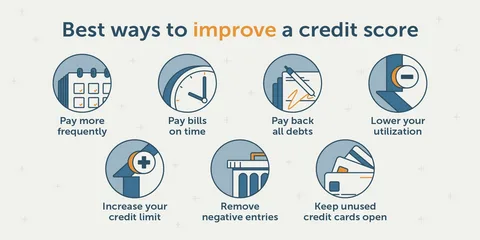
A strong credit profile can make running a business easier in ways most owners don’t realize until they need funding fast. Better credit can unlock higher limits, better vendor terms, lower deposits, and smoother approvals—especially as lenders tighten risk checks and look for consistency.
The good news: improving business credit isn’t complicated. It’s mostly about building predictable financial habits, keeping your information clean, and using credit intentionally instead of emotionally.
Below is a practical, step-by-step strategy you can start using today to increase your credit score over time—without gimmicks or shortcuts.
1) Start with clean business identity signals
Business credit reporting is heavily tied to identity matching. If your business details are inconsistent across documents, it can cause reporting gaps, delays, or incorrect files.
Make sure these match everywhere:
- Legal business name (exact spelling)
- Address (same format across accounts)
- Phone number
- Website and business email (even a simple professional domain helps)
- EIN details (and business registration info)
This consistency improves how vendors and bureaus connect your payments to the right profile.
2) Pay everything on time (and aim to pay early when possible)
Payment history is a major driver of both business and personal credit models. Late payments can damage your profile and linger for a long time.
Simple upgrades that prevent late payments:
- Auto-pay minimums on business cards and lines
- Calendar reminders for vendor invoices
- Weekly “accounts payable” review (15 minutes is enough)
If you use vendor trade accounts (Net-30 / Net-45), paying early can help even more because some business scoring models reward early/on-time vendor payment behavior (for example, D&B’s PAYDEX is based on payment experiences).
3) Keep credit utilization low (not just “manageable”)
High balances vs. your limits can make you look stressed—even if you pay on time.
A strong rule of thumb:
- Try to stay under ~30% utilization on revolving accounts
- Under ~10% is even better if you’re actively optimizing
Fast wins:
- Make mid-cycle payments (don’t wait for the statement date)
- Ask for limit increases only after 3–6 months of clean history
- Split expenses across two cards instead of maxing one
4) Separate business and personal finances completely
Mixing personal and business spending causes accounting confusion—and can weaken how lenders evaluate risk.
Do this if you haven’t already:
- One business checking account (only business cashflow)
- One business savings account (tax and buffer)
- One business credit card used only for business expenses
- Clean bookkeeping (even basic bookkeeping is fine)
This also makes it easier to prove stability if a lender requests statements.
5) Build trade lines that actually report
Many owners think they have “vendor accounts,” but the payments never show up anywhere. The key is trade accounts that report to business credit bureaus.
What to do:
- Open a small number of trade accounts with vendors that report
- Use them consistently
- Pay on time (or early)
Even a few reporting trade lines can meaningfully strengthen your business credit profile over time.
6) Monitor credit reports and dispute errors immediately
Errors happen more often than people expect—and they can drag down credit or cause underwriting problems. Monitoring helps you catch mistakes early and prove credibility.
For consumer credit reporting disputes, official guidance is clear: you should contact the credit bureau(s) and the business that provided the information, and submit disputes with supporting documentation.
What to look for in your reports:
- Duplicate accounts
- Old balances that should be $0
- Wrong address / wrong company info
- Accounts you don’t recognize (possible fraud)
Even something like an incorrect address can create friction in approvals and should be corrected.
7) Limit new credit applications (be strategic)
Too many inquiries in a short time can be a red flag. It can also create “thin-file chaos” where new accounts lower your average credit age.
Use this approach:
- Only apply when you have a clear purpose (not “just in case”)
- Space applications out
- Prioritize accounts that align with your cashflow cycle (so you can pay cleanly)
8) Keep older accounts open (unless there’s a real risk)
Longer history often supports stronger credit signals. Closing older accounts can reduce available credit and shorten your history footprint.
Better strategy:
- Keep older business cards open with small recurring charges
- Pay them off monthly
- Only close accounts that have high fees, security risk, or bad terms
9) Reduce debt in a smart order (not just aggressively)
Paying down debt helps, but the best order is usually:
- High-utilization accounts
- High-interest accounts
- Smaller accounts you can eliminate quickly (optional motivation win)
This improves both utilization and cashflow stability—two things lenders care about.
10) Avoid public record issues and compliance surprises
Business credit can be affected by liens, judgments, or compliance gaps depending on the bureau and scoring model. Even when something doesn’t hit a score directly, it can still affect underwriting decisions.
Basic prevention:
- File taxes on time
- Keep licenses/registrations current
- Handle notices quickly
11) Build credit like a system, not a one-time goal
The biggest difference between businesses with strong credit and businesses that struggle is consistency.
A simple weekly routine (15–20 minutes)
- Review upcoming bills/invoices
- Check credit utilization
- Send payments early where possible
- File receipts and update bookkeeping notes
A simple monthly routine
- Review statements
- Check reports for new issues
- Request credit limit increases occasionally (only after clean history)
Common mistakes that slow credit growth
Avoid these traps:
- Paying everything “eventually” instead of on schedule
- Maxing out a card then paying it off once per month (statement still reports high)
- Opening multiple accounts at once
- Using vendors that don’t report (wasted effort)
- Ignoring report errors until you need funding urgently
Final Thoughts
Credit strength isn’t about tricks—it’s about proving reliability over time. If you focus on on-time payments, low utilization, reporting trade lines, clean financial separation, and regular monitoring, you’ll steadily build a stronger profile.