How Oahu’s Climate Impacts Landscaping Design
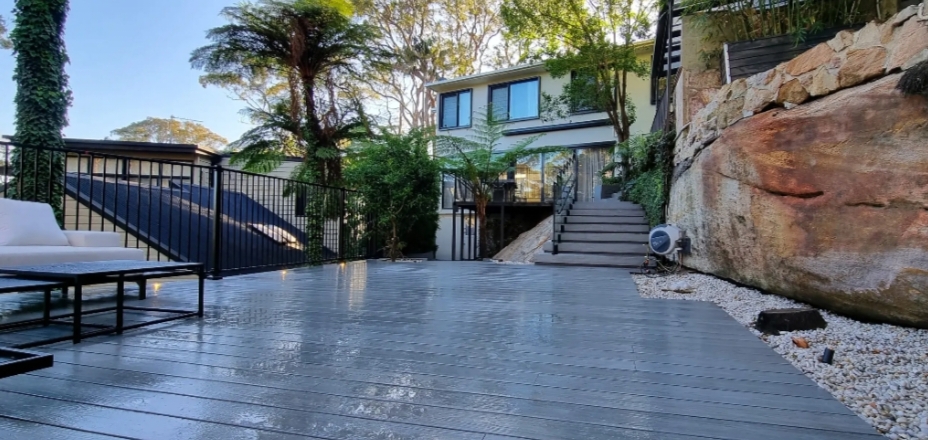
Anyone who has spent time on Oahu quickly realizes the island feels alive year-round. Warm trade winds, sudden rain showers, bright sun, and lush greenery exist side by side in a way that feels both vibrant and unpredictable. For homeowners and property managers, that beauty comes with an important realization. Landscaping on Oahu is not just about choosing plants that look good. It is about designing outdoor spaces that can survive, adapt, and thrive in a climate that never truly rests.
Many people arrive on the island assuming tropical landscaping is effortless. Plants grow quickly, grass stays green, and flowers bloom year-round. But without thoughtful planning, landscapes can struggle with erosion, water stress, invasive growth, and plant failure. Oahu’s climate rewards smart design and quickly exposes shortcuts. That is why understanding how climate affects landscaping choices is essential before planting a single tree or laying out a single pathway.
This guide explains how Oahu’s climate shapes landscaping decisions, from plant selection and irrigation to soil health and long-term maintenance. It also highlights why working with professionals experienced in Oahu landscaping design and Oahu landscaping services can make the difference between a landscape that flourishes and one that becomes a constant source of frustration.
How Oahu’s Climate Impacts Landscaping Design
Oahu’s climate influences landscaping design by shaping nearly every decision made during the planning process. The island experiences warm temperatures throughout the year, shifting rainfall patterns, steady trade winds, strong sun exposure, and a wide range of elevations that create distinct microclimates. Landscaping design on Oahu must be adaptable, not just visually appealing.
Because temperatures remain relatively consistent, plants grow continuously. There is no true dormant season. While this allows landscapes to stay lush, it also means vegetation can become overgrown quickly if spacing and maintenance are not carefully considered. Rainfall varies dramatically between windward and leeward areas, making irrigation design one of the most important components of Oahu landscaping design.
Salt exposure from ocean air, intense sunlight, and volcanic soils further complicate planning. Some soils drain quickly and lack nutrients, while others retain moisture and encourage dense growth. Successful landscapes balance beauty with durability, selecting plants and materials that can handle these conditions without excessive water use or constant intervention. The most effective designs work with the climate instead of fighting it, creating outdoor spaces that remain healthy and attractive over time.
How Does Climate Change Impact The Landscape
Climate change is increasingly influencing landscapes across Oahu. Shifts in rainfall patterns, rising temperatures, and more intense weather events are becoming more noticeable. Some areas experience longer dry periods, while others see heavier rainfall concentrated into shorter timeframes. These changes place additional stress on landscapes that were not designed with resilience in mind.
Modern Oahu landscaping design must account for these evolving conditions. Designers are prioritizing drought-tolerant and native plants that can handle fluctuations in moisture and temperature. Stormwater management has become more important as sudden downpours increase erosion risk and overwhelm traditional drainage systems.
Pest populations and plant diseases also thrive in warmer conditions, making plant selection even more critical. Landscapes that rely heavily on non-native species often require more maintenance and intervention. As a result, many Oahu landscaping services now focus on sustainability, adaptability, and long-term performance rather than purely decorative choices.
What Effect Does Climate Have On The Appearance Of A Landscape
Climate plays a direct role in how a landscape looks throughout the year. On Oahu, abundant sunlight and warmth promote rapid growth, vibrant foliage, and frequent flowering. However, without climate-aware planning, that growth can become uneven or unhealthy.
In wetter regions, landscapes may appear dense and layered, with deep greens and thick plant groupings. In drier areas, plants can look sparse or stressed if irrigation and plant selection are not properly matched. Sun exposure also affects color and texture. Some plants fade or scorch under intense sunlight, while others thrive and add visual contrast.
Wind is another important factor, particularly in coastal areas. Constant exposure to salt-laden air can damage sensitive plants and dull hardscape finishes. Landscaping design that accounts for wind exposure often includes hardier plant species and strategic windbreaks to maintain a polished appearance. When climate is considered from the start, landscapes look cohesive and intentional rather than patchy or neglected.
What Are The Factors Affecting Landscape Design
Several factors influence landscape design on Oahu, with climate serving as the foundation. Sun exposure determines which plants will thrive in specific areas, while rainfall patterns guide irrigation planning. Soil composition, often volcanic and fast-draining, affects nutrient retention and root stability.
Topography also plays a significant role. Sloped properties require erosion control measures such as terracing, retaining walls, or groundcover plants to prevent soil loss during heavy rain. Proximity to the ocean introduces salt exposure, which limits plant choices and influences hardscape material selection.
Lifestyle needs matter as well. Whether a space is meant for entertaining, relaxation, or low-maintenance living shapes design decisions. The best Oahu landscaping design blends environmental conditions with how people actually use the space, creating outdoor areas that are functional, sustainable, and visually appealing.
Understanding Oahu’s Microclimates
One of the defining challenges of landscaping on Oahu is the presence of microclimates. Within short distances, conditions can change dramatically due to elevation, wind patterns, and proximity to the ocean. Windward areas are typically cooler and wetter, while leeward regions are warmer and drier.
These differences mean a plant that thrives in one neighborhood may struggle just a few miles away. Effective Oahu landscaping design requires site-specific planning rather than relying on generic plant lists. Professionals familiar with local microclimates can recommend plants and layouts that suit the exact conditions of a property, reducing trial and error.
Microclimates also influence irrigation design. Overwatering in wetter zones or under-watering in dry areas can harm plants and waste resources. Customized solutions ensure efficient water use while keeping landscapes healthy and balanced.
Plant Selection And Climate Compatibility
Plant selection is one of the most important aspects of successful landscaping on Oahu. Native and climate-adapted plants tend to perform best because they evolved to handle local conditions. These plants typically require less water, fertilizer, and maintenance while supporting local ecosystems.
Non-native plants can still be used effectively, but they require careful placement and monitoring. Some struggle with salt exposure or intense sunlight, while others may become invasive if not properly managed. Climate compatibility ensures plants maintain their health and appearance over time rather than declining or requiring frequent replacement.
Thoughtful plant selection also supports sustainability goals. Landscapes designed with climate-appropriate plants reduce water consumption and minimize chemical use, aligning with responsible environmental practices promoted by many Oahu landscaping services.
Water Management And Irrigation Design
Water management is a central concern in Oahu landscaping design. Even in areas with frequent rainfall, water conservation remains important due to seasonal variability and increasing demand. Efficient irrigation systems help deliver water where it is needed without waste.
Designers often incorporate drip irrigation, smart controllers, and rain sensors to adjust watering schedules based on real-time conditions. Landscapes may also include rain gardens, swales, or permeable surfaces to manage runoff and support groundwater recharge.
Proper water management protects plants from stress while preventing erosion and water damage during heavy rain. It also helps property owners control utility costs while maintaining healthy landscapes.
Soil Health And Erosion Control
Oahu’s volcanic soils vary widely in texture and nutrient content. Some areas offer rich, fertile soil, while others drain quickly and require amendment. Landscaping design often includes soil improvement strategies such as adding organic matter or selecting plants suited to existing conditions.
Erosion control is especially important on slopes and in regions prone to heavy rain. Groundcovers, retaining walls, and terraced planting help stabilize soil and prevent runoff. Thoughtful design ensures landscapes remain intact and functional even during intense weather events.
Hardscaping Choices Influenced By Climate
Hardscaping elements like walkways, patios, and retaining walls must withstand Oahu’s climate. Materials are selected for durability under sun exposure, moisture, and salt air. Some porous materials degrade faster, while certain stones and finishes perform better in tropical conditions.
Designers also consider heat retention and drainage when choosing hardscape materials. Well-planned hardscaping enhances comfort, improves safety, and extends the lifespan of outdoor features. Climate-aware hardscaping is a key component of long-lasting Oahu landscaping design.
Maintenance Expectations In A Tropical Climate
Landscaping on Oahu requires ongoing maintenance due to continuous plant growth. While this keeps landscapes lush, it also means regular trimming, monitoring, and care are necessary. Designs that account for mature plant size and growth patterns reduce excessive maintenance.
Many Oahu landscaping services focus on creating low-maintenance solutions that still look vibrant. Proper spacing, climate-appropriate plants, and efficient layouts help keep upkeep manageable without sacrificing visual appeal.
Why Local Expertise Matters In Oahu Landscaping Design
Designing landscapes for Oahu’s climate requires local knowledge and hands-on experience. Professionals familiar with island conditions understand how climate, soil, and microclimates interact. This insight leads to designs that perform better and last longer.
Local experts also stay informed about environmental guidelines and sustainable practices. Their experience helps property owners avoid costly mistakes and ensures landscapes remain both beautiful and resilient. Working with professionals who specialize in Oahu landscaping design provides confidence that every decision supports long-term success.
Final Thoughts
Oahu’s climate plays a defining role in shaping landscaping design. From plant selection and irrigation to soil health and hardscaping, every choice is influenced by the island’s weather patterns and environmental conditions. Landscapes that work with the climate remain healthier, more sustainable, and easier to maintain.
By understanding how climate impacts design, homeowners and property managers can create outdoor spaces that thrive year-round. With thoughtful planning and support from experienced Oahu landscaping services, the island’s climate becomes an asset rather than a challenge.