How Solar Supports Off-Grid Living
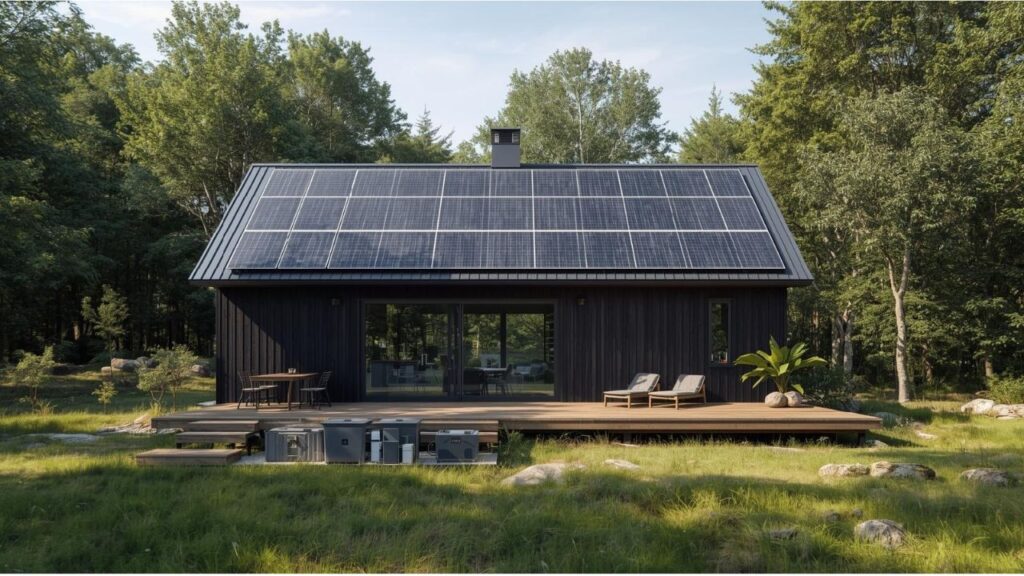
The dream of disconnecting from the daily grind and living on your own terms is more popular than ever. For many, this means cutting ties with the traditional power grid and generating their own electricity. Whether you are looking for a remote cabin in the bush or considering solar panels on the hope Island, the desire for energy independence is growing. But walking away from the utility company requires a reliable plan, and that is where solar energy steps in as the ultimate game-changer.
Understanding Off-Grid Living
Going off-grid means you are no longer relying on public utilities for your power. You become your own power station. It’s a lifestyle defined by autonomy and resilience, but it requires a robust system to ensure the lights stay on when the sun goes down.
A successful off-grid setup isn’t just about slapping a few panels on a roof. It requires a carefully balanced ecosystem of components:
- Solar Panels: To capture energy.
- Charge Controller: To regulate the voltage.
- Battery Bank: To store energy for night use.
- Inverter: To convert the stored DC power into usable AC power for your appliances.
To get this balance right, you need high-quality components and expert advice from providers like Australian Solar Installations. If the system is undersized, you might find yourself in the dark during a rainy week. If it’s oversized, you’re spending money you don’t need to.
The Role of Solar Energy
Solar panels are the heart of any off-grid system. They work by converting sunlight directly into electricity through photovoltaic cells. In a sunny country like Australia, this is the most logical and efficient fuel source.
However, the sun doesn’t shine 24/7. This makes battery storage the unsung hero of the off-grid world. When you install solar panels on the hope island, for example, you are capturing that abundant Queensland sunshine during the day. Any energy you don’t use immediately is pushed into your batteries. Later, when you are cooking dinner or watching a movie after dark, you draw from that stored power.
Benefits of Solar in Off-Grid Systems
Why are so many people choosing this path?
Environmental Impact
Generating your own clean energy significantly reduces your carbon footprint. You aren’t burning fossil fuels to keep the fridge running; you are utilizing a renewable resource that replenishes itself every morning.
Financial Freedom
While the upfront cost can be significant, the long-term savings are undeniable. You are insulated from rising electricity prices. Once your system is paid off, your energy is essentially free. Relying on Australian Solar Installations for a durable setup means you spend less on repairs and replacements down the line compared to running expensive diesel generators.
Installation and Maintenance
Setting up an off-grid system is a technical process. Site assessment is critical to ensure your panels are facing the right direction and aren’t shaded by trees. If you are looking at solar panels on the hope island, you also have to consider factors like salt mist from the ocean, which can corrode inferior equipment.
Maintenance is generally low, but necessary. This involves:
- Cleaning panels to remove dust and bird droppings.
- Checking battery water levels (if using lead-acid batteries).
- Ensuring cables and connections remain tight.
Companies like Australian Solar Installations can guide you through the specific maintenance needs of your hardware, ensuring your system lasts for decades.
Conclusion
Off-grid living offers a unique sense of freedom, but it relies heavily on the technology you choose to power it. From a remote farmstead to a setup with solar panels on the hope island, solar energy provides the reliability required to sever ties with the grid.
By choosing experienced partners like Australian Solar Installations to handle your transition, you ensure that your move toward independence is safe, efficient, and built to last.