How to Prevent Infections from Nail Treatments
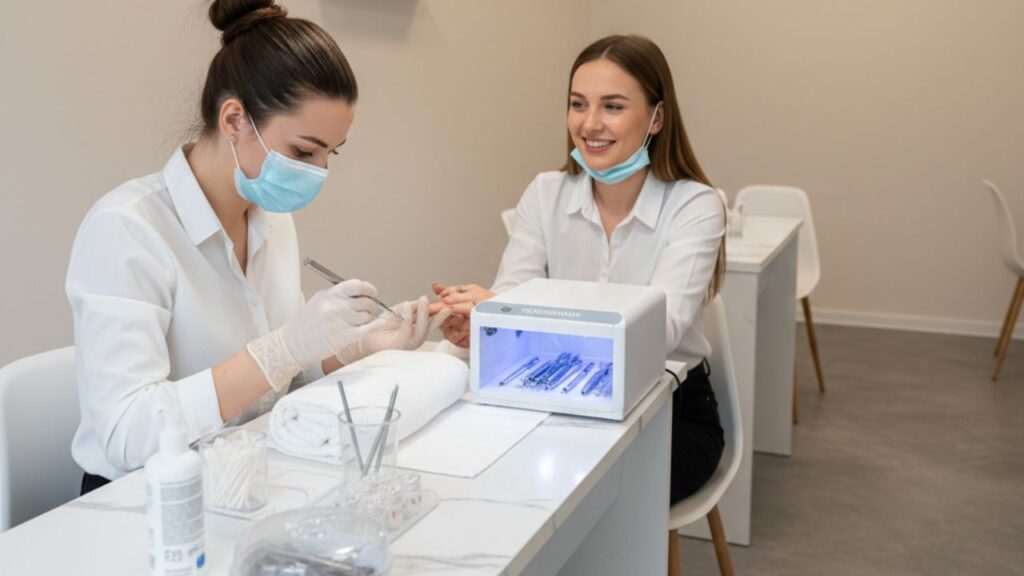
There is nothing quite like the confidence boost that comes with a fresh manicure or pedicure. Whether you prefer a classic French tip, a bold gel color, or intricate acrylic art, a trip to the salon is a self-care staple for many. However, beneath the glossy top coats and relaxing hand massages, there is a less glamorous reality to consider: the risk of infection.
While the vast majority of appointments go smoothly, hygiene is non-negotiable when tools are being used on your skin and nails. If you are visiting a beauty salon in Adelaide, knowing what to look for and how to prepare can make the difference between a stunning new look and a painful medical issue. Here is everything you need to know to keep your nails healthy and infection-free.
The Unwanted Souvenirs: Common Nail Infections
When hygiene standards slip, bacteria and fungi thrive. Understanding what you are up against is the first step in prevention.
Fungal Infections
Fungal infections (Onychomycosis) are perhaps the most notorious salon hazard. They love warm, moist environments—like a foot bath that hasn’t been properly sanitized. You might notice your nail turning yellow, becoming thick, or starting to crumble at the edges.
Bacterial Infections
Paronychia is a common bacterial infection that affects the skin around the nail. It usually happens when the skin is damaged during the manicure process—often from cutting cuticles too short or using aggressive filing techniques. Symptoms include redness, swelling, heat, and sometimes pus.
Viral Infections
Less common but still possible are viral infections, such as plantar warts caused by HPV. These can spread through contaminated surfaces, such as pumice stones or tubs, and usually appear on the soles of the feet or around fingers.
Prevention Tips for a Safe Salon Experience
You shouldn’t have to sacrifice your health for beauty. Here is how to ensure your next treatment is safe.
Choose the Right Salon
Don’t choose a location based solely on price. Look for a beauty salon in Adelaide that is transparent about its cleaning protocols. When you walk in, the salon should look and smell clean. If you see dirty files sitting on desks or technicians not washing their hands between clients, take that as a red flag.
Sterilization is Key
There is a big difference between “cleaning” and “sterilizing.” Tools like metal nippers and pushers should be sterilized in an autoclave (a machine that kills bacteria with high heat and pressure). Single-use items, like buffers and wood sticks, should be thrown away after every client.
Leave Your Cuticles Alone
The cuticle acts as a natural seal to protect the nail matrix from infection. When you cut or push them back aggressively, you break that seal, leaving an open door for bacteria. Ask your technician to gently push them back rather than cutting them.
The Nail Bar Standards
It is vital to visit establishments that take these risks seriously. For example, The Nail Bar enforces strict sanitation protocols. They understand that a high-quality manicure involves more than just polish application; it requires maintaining a sterile environment to protect client health.
Spotting Early Signs of Infection
Even with the best precautions, it helps to be vigilant. After your appointment, keep an eye on your hands and feet for the next few days.
- Pain: Some tenderness is possible if you had a lot of filing done, but throbbing pain is not normal.
- Heat and Redness: If a finger or toe feels hot to the touch or looks significantly redder than the others, your body might be fighting bacteria.
- Discoloration: Green, black, or yellow spots on the nail plate are immediate warning signs.
- Lifting: If the artificial nail or your natural nail plate starts lifting from the nail bed, moisture can get trapped underneath, breeding fungus.
When to Seek Professional Help
If you suspect something is wrong, do not wait. Remove any polish or artificial enhancements immediately so you can see the nail clearly.
If you notice swelling, pus, or red streaks extending from the area, consult a doctor or dermatologist right away. Bacterial infections can spread quickly and may require prescription antibiotics. For fungal issues, over-the-counter treatments might work for mild cases, but stubborn infections often need professional medical treatment.
Conclusion
Getting your nails done should be a relaxing treat, not a health gamble. By being observant and choosing high-quality providers, you can enjoy beautiful nails without the worry.
Hygiene and safety must always come first. If you are looking for a reputable beauty salon in Adelaide that prioritizes client safety alongside style, we highly recommend The Nail Bar. Their professional team ensures that every tool is sterilized and every procedure is performed with care, giving you the peace of mind you deserve.