What Factors Shape Trust In Online Payment Platforms in 2026
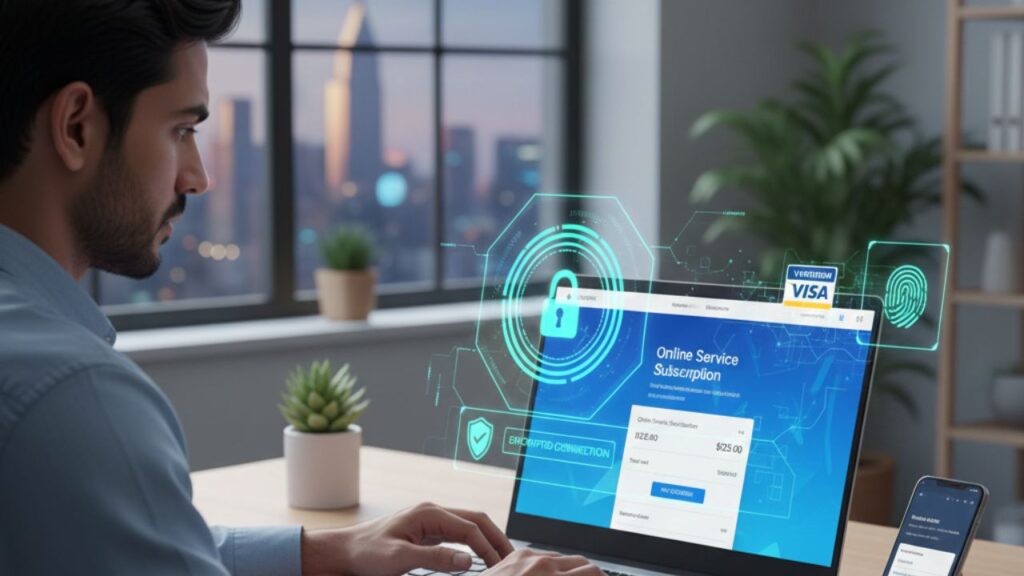
Trust sits at the centre of every online transaction. Whether someone is paying for a monthly software subscription, buying from an e-commerce store, or signing up for a digital service, the decision often comes down to a few clear signals. Users rarely read every policy page, but they notice patterns that tell them whether a platform feels reliable.
In 2026, those signals matter more than ever. Digital payments are now embedded in daily life, and expectations have matured alongside them. People want speed, clarity, and reassurance that their money is handled responsibly, without friction or surprises along the way.
Transaction Speed And Payouts
Users have grown accustomed to instant confirmations, real-time balances, and fast access to funds. Delays feel outdated, especially when alternatives promise smoother experiences. Some industries have gone further than others in providing timely, even momentary transactions. E-commerce, travel industry, and casino websites are only some of the representatives of such policies. The importance of withdrawal speed has become especially important in the iGaming industry on a global scale, from Australia to the UK and the USA. In this niche, the payout speed separates top-notch providers from average ones. It’s similar to hotel websites or online stores – the ones that don’t implement fast and secure payments will fall behind.
When money moves quickly and predictably, users feel in control, and that feeling encourages repeat use.
Security And Compliance Signals
Security is often the essential test of credibility. Visible cues like HTTPS encryption, two-factor authentication, and recognisable compliance badges give users immediate reassurance, even before they reach the checkout. These features may seem basic, but their absence is enough to raise doubts.
The stakes are high because concerns around data protection directly affect behaviour. Research found that in 2025, 59% of users abandoned a digital shopping cart due to payment security concerns, highlighting how quickly trust can collapse when safeguards feel unclear.
Clear explanations also matter. Platforms that explain how data is stored, how fraud is monitored, and what happens if something goes wrong tend to feel more dependable. Silence, by contrast, is often interpreted as risk.
Fee Transparency And Limits
Trust erodes quickly when costs appear unexpectedly. Hidden fees, unclear exchange rates, or vague withdrawal limits create friction that lingers long after the transaction is complete. For many users, transparency matters as much as price.
Clear fee breakdowns help set expectations. When a platform shows exactly what will be charged and why, users can make informed decisions without second-guessing the process. This matters for small businesses too, as fewer payment disputes mean lower support costs.
Regulatory oversight plays a supporting role here. Ongoing consumer protection initiatives in Australia have pushed digital platforms to be clearer about terms and safeguards, reinforcing the link between transparency and long-term trust.
What Builds Long-Term User Confidence
Short-term performance gets users through the door, but consistency keeps them there. Reliable platforms behave predictably over time, with stable interfaces, clear communication during outages, and responsive support when issues arise.
Trust also grows when platforms adapt to changing expectations without disrupting users. Gradual improvements to security, speed, and usability signal competence rather than instability. Over time, these small signals compound into a strong reputation.
Broader reporting on trust factors in digital transactions shows how advances in secure payment technologies have strengthened confidence across digital services. For bloggers, marketers, and small business owners, the takeaway is practical: trust is built through everyday decisions, not bold claims.
Ultimately, reliable payment platforms feel invisible. When payments work as expected, users focus on the service itself, which is often the strongest sign that trust has been earned.