Mastering Heat Styling Techniques for Healthy, Long-Lasting Hair
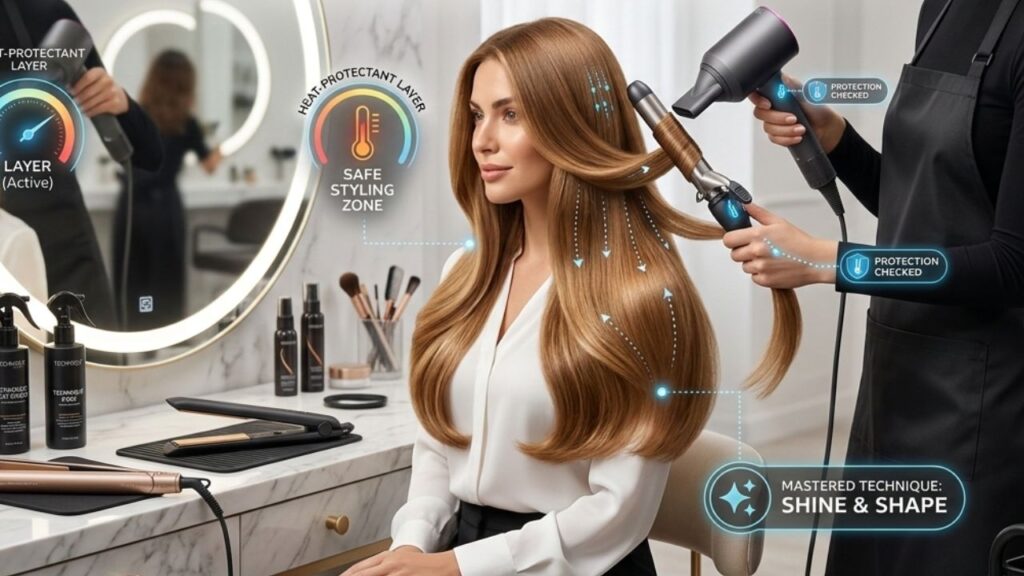
Achieving salon-worthy results at home is entirely within reach — as long as you understand how to work with heat rather than against it. Heat styling has become a fixture of everyday hair care, and when done right, it genuinely improves both how long a style lasts and the overall condition of your hair. Tools like a hair styler make it easier than ever to move between curls and sleek straight looks without skipping a beat. From the science behind thermal damage to the habits that keep hair healthy over time, getting these fundamentals right changes everything.
Understanding the Science of Heat on Hair
Heat works by temporarily breaking keratin bonds — the structural proteins responsible for each strand’s natural shape. When heat is excessive or sustained, though, that breakdown becomes permanent, and the hair loses significant moisture along with it. Research published in the Journal of Cosmetic Dermatology found that temperatures above 185°C (365°F) accelerate cuticle degradation across most hair types. Hair porosity — meaning how readily your strands absorb and hold onto moisture — matters just as much when figuring out which heat range is actually safe for your hair.
| Hair Type | Optimal Heat Range | Common Risks |
| Low Porosity | 120–160°C | Steam buildup, limpness |
| Medium Porosity | 160–185°C | Minimal if protected |
| High Porosity | Below 160°C | Breakage, frizz |
Key Takeaway: Before committing to a full style, test a small strand at your chosen temperature first — it’s the simplest way to dial in settings that actually suit your hair.
Essential Preparation Steps Before Heat Styling
Good preparation is arguably the single most impactful thing you can do before picking up a styling tool. Start with a sulfate-free shampoo to keep natural oils intact, then follow with a conditioner suited to your porosity level. Blot hair dry with a microfiber towel rather than rubbing — rough towel-drying lifts the cuticle and leaves strands more vulnerable to heat. Heat protectants formulated with silicones or film-forming polymers are non-negotiable; they form a thermal barrier that shields the hair’s cortex from direct damage, which aligns with guidance from the American Academy of Dermatology.
Essential pre-styling steps:
– Check hair health weekly for signs of breakage or unusual dryness
– Apply heat protectant evenly from roots to ends
– Divide hair into manageable sections to ensure consistent heat exposure
Core Heat Styling Techniques for Everyday Looks
Straightening calls for controlled tension and a steady pace — one smooth, deliberate pass per section reduces cumulative heat exposure far more effectively than going over the same area repeatedly. Fine hair generally does well around 160°C, while thick or coarse hair may need up to 185°C to hold a result.
Curling and waving vary depending on your approach. Wrapping hair around a barrel without clamping produces softer, more relaxed waves, while clamping gives you defined ringlets. Holding for 8–10 seconds before a slow, controlled release encourages bounce without overdoing the heat.
For hybrid styles that combine straight roots with curled ends, working in alternating sections and reaching for a medium barrel — around 32mm — helps distribute heat evenly across the whole look.
Protecting and Maintaining Your Styles
Once you’ve finished styling, let the hair cool completely before touching or pinning anything — interfering during the cooling phase is one of the most common reasons a style falls flat too quickly. A lightweight serum helps seal the cuticle afterward, and a humidity-resistant finishing spray adds a layer of defense against environmental frizz. At night, loosely braiding your hair or switching to a silk pillowcase makes a noticeable difference in reducing friction-related damage.
Troubleshooting Common Heat Styling Challenges
| Issue | Likely Cause | Fix |
| Frizz | Moisture loss | Layered protectants |
| Flat Roots | Over-flattening | Backcomb lightly |
| Breakage | Excessive heat | Lower temp, more passes |
High-porosity hair tends to be most susceptible to both frizz and breakage; keeping temperatures lower and reaching for protein-enriched protectants tackles both issues at once. Fine hair, on the other hand, is most at risk from over-flattening — lighter tension and shorter contact time go a long way toward preserving natural volume.
Building Sustainable Heat Styling Habits
Keeping heat styling to two or three sessions per week — a threshold backed by trichologist research on hair fiber integrity — protects long-term hair health. On rest days, no-heat options like braids or twist-outs let you maintain style without adding more thermal stress to the equation.
Weekly Audit Checklist:
– Note any new breakage or shifts in texture
– Confirm heat protectant is being applied before every session
– Rotate styling techniques to avoid repeatedly stressing the same sections
Final Reflections on Timeless Hair Care
Sustainable heat styling comes down to three things: thorough preparation, precise technique, and consistent protection afterward. When those principles work together, the payoff isn’t just a polished finish — it’s genuinely healthier hair over the long run. Try the methods outlined here, adapt them to your specific hair type, and feel free to share what works for you in the comments. Every routine is as individual as the person behind it.