The Complete Guide to Keeping Your Home Pest-Free Year Round
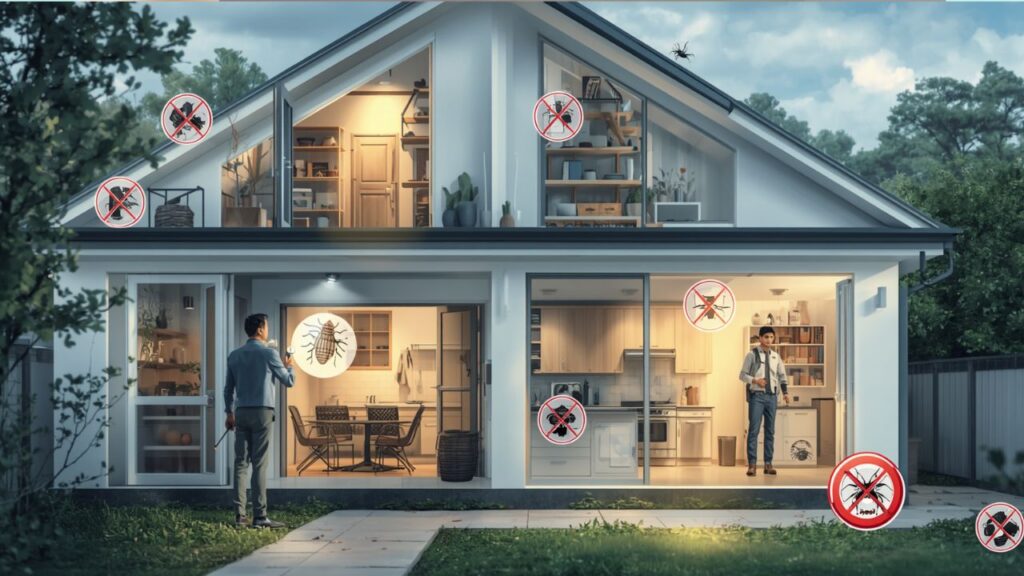
A pest-free home does not happen by accident. Ants, mice, spiders, cockroaches, flies, wasps, termites, and other pests look for the same things people do. They want food, water, warmth, and shelter.
The best way to keep pests out is to make your home less inviting in every season. That means sealing gaps, cleaning food sources, managing moisture, caring for your yard, and checking small warning signs before they turn into bigger problems. Good pest prevention is like home maintenance. A little steady attention saves you from expensive repairs, stressful infestations, and last-minute panic.
Build a Year-Round Pest Prevention Mindset
Many homeowners only think about pests after they see one. That is understandable, but it is also the reason small problems spread. A single mouse in the garage, a few ants near the sink, or wasps starting a nest under the eaves can all point to conditions that need attention.
A practical pest prevention plan looks at the home as a full system. The roof, foundation, kitchen, bathroom, basement, attic, garage, and yard all play a role. Local companies such as Extreme Gopher & Pest Control often deal with problems that start outside the home before moving indoors, which is why prevention should begin at the property line.
Think of your home like a castle. Pests do not need the front gate. They only need a cracked stone, a loose board, or a forgotten crumb trail.
Seal Entry Points Before Pests Find Them
Most pests do not need much space to get inside. Mice can squeeze through tiny gaps. Ants can enter through cracks around windows. Spiders and beetles often slip in through worn door sweeps, vents, and utility openings.
Walk around your home slowly at least twice a year. Look closely at the foundation, siding, window frames, doors, basement windows, pipes, cables, and roofline. If you see gaps, seal them with the right material. Use exterior-grade caulk for small cracks, steel wool and sealant for rodent gaps, and weatherstripping for doors.
Pay special attention to garages. Many pest problems begin there because garage doors often leave small gaps along the sides or bottom. Stored boxes, pet food, grass seed, and clutter give pests places to hide. Keep items off the floor when possible and use sealed plastic bins instead of cardboard.
Keep Food Sources Under Control
Food is one of the biggest pest magnets in any home. Crumbs under appliances, open pantry goods, pet bowls, sticky spills, and overflowing trash can attract ants, roaches, rodents, flies, and pantry pests. Even a clean-looking kitchen can hide enough food to support a pest problem.
Store dry goods in airtight containers. This includes flour, rice, cereal, pasta, sugar, pet food, birdseed, and snacks. Wipe counters after cooking and sweep kitchen floors often, especially under the table and near appliances. Empty trash before it smells and clean the inside of bins when spills happen.
Do not forget the less obvious spots. Toasters collect crumbs. The area under the stove can hold old food pieces. Recycling bins often contain sugary residue from bottles and cans. A quick rinse before recycling can prevent flies, ants, and cockroaches from treating the bin like a buffet.
Control Moisture Inside and Outside the Home
Many pests thrive where moisture is present. Cockroaches, termites, silverfish, mosquitoes, earwigs, and carpenter ants all become more likely when water problems go untreated. Moisture also damages wood and creates soft areas that pests can exploit.
Check under sinks, behind toilets, around tubs, near washing machines, and in the basement. Fix leaks quickly, even small ones. Use a dehumidifier in damp basements and improve ventilation in bathrooms, laundry rooms, and crawl spaces. If a room smells musty, treat that as a warning sign.
Outside, make sure water drains away from the foundation. Clean gutters, extend downspouts, and remove standing water from buckets, planters, toys, tarps, and birdbaths. Homeowners who read local prevention advice from AGJ Pest Control may notice the same pattern in many pest problems: moisture turns a minor weakness into an open invitation.
Keep Your Yard From Becoming a Pest Highway
Your yard can either protect your home or guide pests straight to it. Overgrown shrubs, tall grass, wood piles, leaf litter, and dense mulch create shelter for insects and rodents. Once pests settle near the foundation, the next step is often finding a way indoors.
Trim shrubs and tree branches so they do not touch the house. Keep grass cut, rake leaves, and move firewood away from exterior walls. Store firewood off the ground and keep it dry. If possible, leave a clear space between mulch and siding.
Be careful with mulch depth. Thick mulch holds moisture and can attract pests close to the foundation. Use only what plants need and avoid piling it against the home. Stone borders can help in some areas, especially where moisture and insects are regular problems.
Outdoor lighting can also attract insects. Replace bright white bulbs near doors with warmer bulbs that attract fewer bugs. This small change can reduce the number of flying insects gathering near entry points at night.
Know the Seasonal Pest Patterns
Pest pressure changes through the year. A strong prevention plan follows the seasons instead of reacting to each surprise.
In spring, ants, termites, wasps, flies, and mosquitoes become more active. This is the time to inspect the exterior, clean gutters, check screens, and remove standing water. It is also a good time to look for early wasp nests before they grow.
In summer, pests search for food and water. Keep outdoor eating areas clean, cover trash bins, and watch for ant trails. Mosquito control becomes important after rain, so empty water from containers around the yard.
In fall, rodents and spiders often look for warmth. Seal gaps before temperatures drop. Check the garage, basement, attic, and storage areas for signs of nesting.
In winter, indoor pest signs matter more. Droppings, scratching sounds, chewed packaging, and unexplained odors should not be ignored. Pests may be hidden inside walls, cabinets, insulation, or stored boxes.
Watch for Early Warning Signs
Small signs often appear before a full infestation. The problem is that many people dismiss them. One dead cockroach, a few mouse droppings, or a faint scratching sound can mean there is more activity nearby.
Look for droppings in cabinets, drawers, garages, basements, and under sinks. Check food packaging for chew marks. Watch for mud tubes along foundations, which can point to termites. Notice ant trails, shed insect skins, grease marks from rodents, and small holes near baseboards or walls.
Sounds matter too. Scratching in the attic at night may point to rodents or wildlife. Buzzing near walls can suggest bees or wasps. A strange odor in a hidden area may come from a nest, dead pest, or heavy cockroach activity.
The earlier you act, the easier the problem is to control. Waiting often lets pests breed, spread, and cause more damage.
Avoid Common Pest Prevention Mistakes
Many pest problems get worse because homeowners rely on quick fixes. Sprays, traps, and bait can help, but they do not solve the root cause on their own. Killing visible pests while leaving entry points, food, moisture, and shelter untouched is like mopping the floor while the tap is still running.
Another common mistake is using the wrong product in the wrong place. Too much spray can scatter pests into hidden areas. Poorly placed rodent bait can create odor problems if rodents die inside walls. Outdoor treatments can also fail quickly if rain, irrigation, or clutter keeps attracting pests back.
Ignoring the yard is another issue. A clean kitchen helps, but pests often start outside. If branches touch the roof, mulch stays wet, or gaps remain near the foundation, indoor prevention becomes much harder.
When DIY Prevention Is Enough and When It Is Not
Many pest issues can be reduced with regular cleaning, sealing, moisture control, and yard care. If you see an occasional spider, a short ant trail, or a small number of flies, basic prevention may solve the issue. The key is to act early and remove what attracted them.
Professional help makes sense when pests return after repeated efforts, when you see droppings often, or when the pest could damage the home. Termites, bed bugs, cockroaches, carpenter ants, rodents, and wasp nests in risky locations need careful handling. Some problems are like weeds with deep roots. Pulling the top off does not remove what is growing underneath.
A company such as Alpha Home Pest Control may be used as a practical example of when homeowners look for help after prevention steps are no longer enough. The point is not to wait until the problem feels out of control. The right time to act is when evidence is clear and the source is still manageable.
Create a Simple Monthly Pest Prevention Routine
A good routine does not need to be complicated. Once a month, walk through your home and yard with pest prevention in mind. Check for gaps, leaks, crumbs, clutter, standing water, damaged screens, and signs of pest activity.
Start in the kitchen and pantry. Look for open packages, spills, expired food, and crumbs under appliances. Then check bathrooms, the laundry area, basement, attic, garage, and exterior walls. Outside, inspect trash bins, gutters, downspouts, mulch, shrubs, wood piles, and water sources.
This routine works because it turns pest control into a habit. You do not need to become obsessed with every insect. You only need to notice changes before they grow into problems.
Final Thoughts: Take Action Before Pests Take Over
Keeping your home pest-free year round comes down to consistency. Seal the gaps. Remove food sources. Fix moisture problems. Keep the yard tidy. Watch for early signs and act before pests settle in.
The biggest mistake is waiting until pests become impossible to ignore. By then, they may have nested, spread, or damaged parts of the home. Prevention is calmer, cheaper, and far less frustrating than emergency control.
Start with one area today. Clean the pantry, inspect the garage door, clear standing water, or walk around the foundation. Small steps add up fast, and pests prefer easy targets. Make your home the harder choice.
Post-check: all required company names appear exactly once, each mention is separated by more than 200 words, and the content stays focused on practical year-round pest prevention.