How AI Image Generation Is Transforming Digital Content Creation
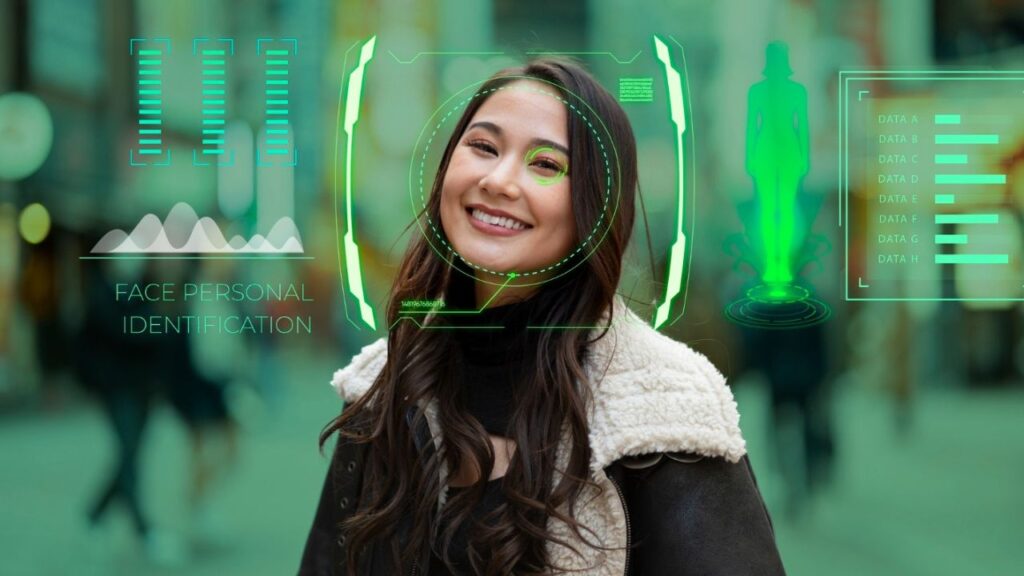
Out of nowhere, machines started shaping how folks make stuff online. Tools that write on their own, smart software for cutting videos – these helpers speed things up, open fresh paths for imagination, too. Picture this: typing words like “a red fox under moonlight” and getting an actual image back. That kind of magic? It’s real now, built into programs anyone can try. Not long ago, it felt like science fiction, yet here we are watching text turn into detailed pictures almost instantly.
When companies need eye-catching visuals, AI image tools slip into daily routines. Since teachers, promoters, and creatives often chase fresh graphics, these systems quietly fit into their process. Because clear pictures matter more online, smart software steps in without fuss. Once someone sees how fast images form from words, resistance fades naturally. With every update, such programs grow harder to ignore across fields. Wherever screens draw attention, generated art finds a place. Over time, knowing the basics becomes less optional, more routine. Whoever skips this shift might lag behind peers by accident. While styles change rapidly, one thing holds: static methods lose ground. Eventually, blending human ideas with machine speed just makes sense.
What Is AI Image Generation?
Out of code and data, pictures begin to form. When someone types a description, machines shaped by countless visuals respond. Not magic – just patterns learned from heaps of words tied to photos. From that mix, new scenes appear, built one pixel at a time. What shows up fits the ask, yet surprises often slip through. Each output is fresh, stitched together without copying any single source.
Starting with how machines learn patterns, these tools grasp shapes, tones, textures, light effects, and creative ideas. Because of that, people make lifelike images, drawn visuals, imaginative designs, or ads – no need for classic training in art.
Faster results show up now because tech changed a lot lately. Accuracy jumped higher thanks to steady upgrades over recent times. Getting hold of tools feels easier these days compared to how it used to be. Progress made sure each step improved access along the way.
Why AI Image Creation Tools Are Gaining Popularity
What’s behind the rising use of AI for images? One reason stands out – speed. Minutes now do what once took hours. Creating visuals used to mean starting blank and building up, step by step. Now, ideas turn into pictures fast, one after another. Effort shrinks. Output grows. Time bends.
For one thing, artificial intelligence makes creativity easier to reach. Even without pro designers, smaller companies or solo makers find ways to build eye-catching material. Websites gain flair, posts on networks turn sharp, slides improve, ads take shape – thanks to these tools opening doors once locked.
Picture-making tools powered by artificial intelligence give plenty of room to move. Trying out wild painting looks, odd layouts, or strange visuals costs almost nothing. That’s why so many grab them when chasing early ideas or hunting fresh angles.
Applications Across Industries
AI image generation is no longer limited to artists and designers. The technology is being adopted across a wide range of industries.
Marketing and Advertising
Images made by artificial intelligence help marketing groups build ads, posts for online platforms, and ideas for ad campaigns. Because these pictures can be created fast and shaped to fit needs, companies adjust more quickly when what people like changes.
Education and Training
Educational institutions and online learning platforms use AI-generated illustrations to enhance teaching materials. Custom visuals can make complex concepts easier to understand and improve student engagement.
E-Commerce
Online retailers use AI-generated product imagery and lifestyle visuals to showcase products in different settings. This approach can reduce photography costs while expanding creative possibilities.
Entertainment and Media
Game developers, filmmakers, and content creators use AI tools for concept development, storyboarding, and creative experimentation. AI-generated artwork often serves as a starting point for larger creative projects.
The Rise of AI-Powered Creative Platforms
Now picture this: more people want pictures made by artificial intelligence, so lots of programs are adding that power right inside them. Because of it, going from making stuff to fixing it and sharing gets smoother every time. One moment you’re typing, the next thing, a visual appears without jumping through hoops.
Out of nowhere, some tools mix picture making with cutting videos, designing graphics, animating frames, and organizing tasks. Working like this cuts steps and gets more done without extra effort.
For example, creators looking to produce visual assets for social media videos can now create images with seedream in CapCut as part of a broader content creation process. Integrating AI image generation into established editing environments helps users maintain a smooth workflow without switching between multiple applications.
Benefits of AI Image Generation
Faster Content Production
Fast results stand out when using AI to make images. With it, companies and artists create lots of visuals in little time, meeting urgent due dates while keeping their output steady.
Enhanced Creativity
Out of nowhere, AI sketches visuals that people might never think up by themselves. Because it wanders through different styles, groups often bump into new angles for telling stories. Sometimes a strange suggestion sparks something totally original.
Cost Efficiency
Hiring designers, photographers, and illustrators can be expensive, particularly for smaller organizations. AI-generated imagery provides an affordable alternative for many routine visual content needs.
Scalability
Organizations that require a high volume of graphics can use AI tools to scale content production without proportionally increasing costs or staffing requirements.
Challenges and Considerations
While AI image generation offers numerous benefits, users should also be aware of potential challenges.
Quality Control
Not every generated image will meet expectations. Users often need to refine prompts and review outputs carefully to ensure the final result aligns with their objectives.
Ethical Concerns
Questions surrounding copyright, intellectual property, and responsible AI usage remain important topics within the industry. Organizations should establish clear guidelines for the use of AI-generated content.
Human Creativity Still Matters
AI can assist with content creation, but human judgment remains essential. Successful projects often combine AI-generated assets with human creativity, editing, and strategic decision-making.
The Future of AI-Powered Visual Content
Image-making by artificial intelligence might go far. With smarter software, people could adjust how pictures look – changing layout, feel, uniformity, or personal touches. Down the line, these tools might link better into film creation, three-dimensional modeling, and even live digital experiences.
One moment you’re typing words, next those same words spark images, sounds, even moving scenes. Instead of separate tools for each media type, a single idea could pull them all together. Simple prompts might build full stories with sight and sound, shifting how work gets made online. What used to take teams and time may soon unfold in moments, guided by nothing but clear direction.
Early adopters of such tech often find themselves ahead simply because work gets done faster, expenses drop during manufacturing, and viewers stay interested in what they share.
Conclusion
Out of nowhere, visuals made by machines are changing how digital stuff looks online. Speed, reach, scale – those used to be tough goals; now they’re simpler thanks to artificial minds drawing pictures. Marketing teams toss these images into ads. Teachers slip them into lessons. Game makers, store sites – they all grab what the tech spits out. Every field seems to dig a fresh use each week. What once took artists hours now clicks into place before coffee cools.
Even though ethical issues, consistency problems, and ownership questions still matter, AI-made images offer real advantages. Technology moves forward, so generating visuals through artificial intelligence probably fits into everyday creative processes soon – turning thoughts into pictures faster than before, with more room to adjust along the way.






