Crystal or Glass? How to Choose a Chandelier That Makes Your Home Feel More Luxurious
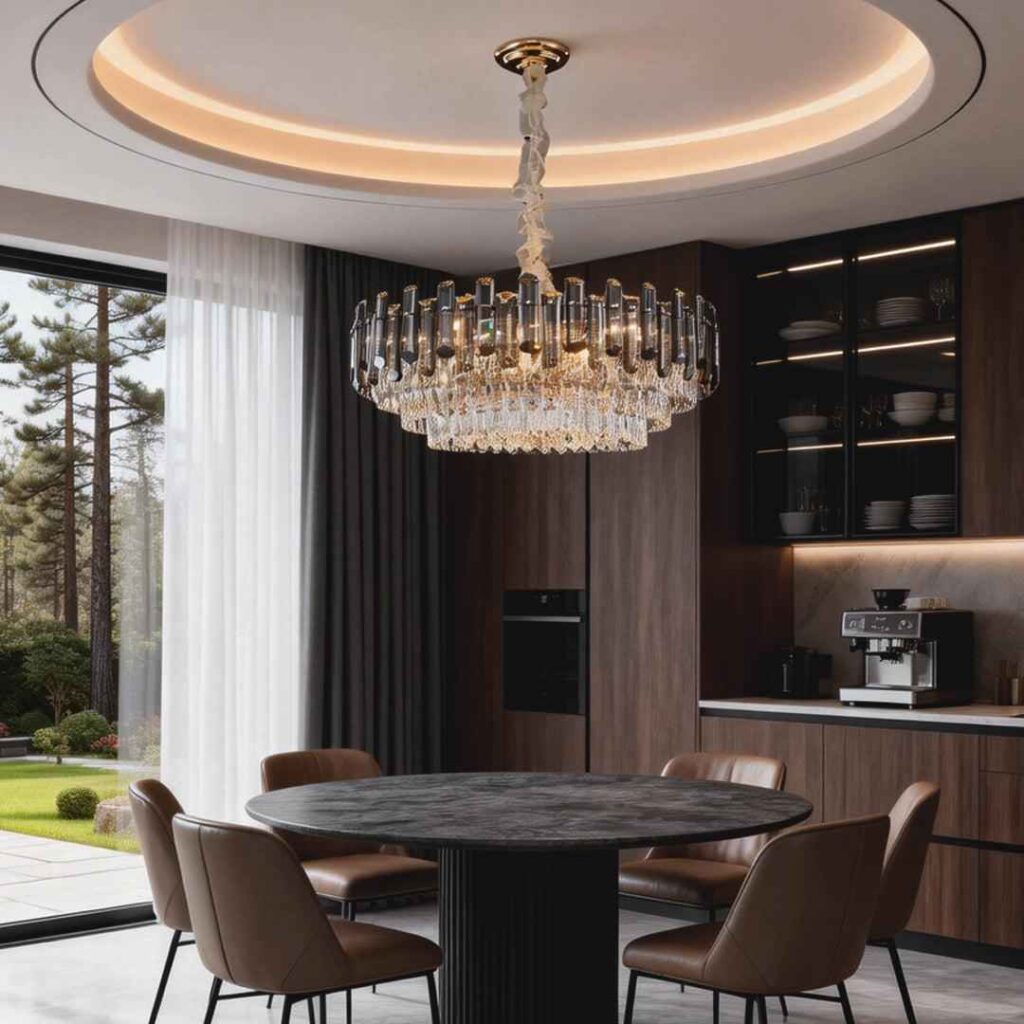
A chandelier can completely change the way a room feels. Even a simple dining area or living room can appear more polished once the right fixture is installed. Chandeliers do more than provide light—they add shape, reflect colour, fill empty ceiling space, and create a natural focal point.
Crystal and glass chandeliers are both popular choices for homeowners who want a brighter and more elegant interior. Although the two styles may look similar at first, they create different visual effects. Crystal offers sparkle and a more glamorous appearance, while glass feels lighter, more versatile, and often easier to incorporate into modern homes.
The right chandelier can add light, depth, and a stronger focal point to an everyday room.
Choose Crystal for Sparkle and Drama
Crystal lighting is designed to attract attention. Its cut or faceted pieces reflect and refract light, creating small points of brightness around the room. This makes crystal chandeliers especially effective in spaces that need a formal, romantic, or luxurious focal point.
Crystal Chandeliers can work beautifully in dining rooms, formal living areas, bedrooms, entryways, and tall stairwells. Traditional designs may include several tiers, curved arms, and hanging crystal drops, while modern versions often use cleaner frames and more structured arrangements.
The surrounding décor does not have to be highly traditional. A streamlined crystal fixture can add contrast to a contemporary room with simple furniture and neutral walls. The sparkle provides visual interest without requiring extra artwork or decorative accessories.
Choose Glass for a Lighter, More Flexible Look
Glass chandeliers usually feel more open and visually lightweight. They can provide the beauty of reflective material without the highly decorative appearance associated with traditional crystal lighting.
A Glass Chandelier may include clear globes, frosted shades, ribbed panels, coloured glass, or sculptural hand-blown forms. This variety makes glass suitable for modern, transitional, coastal, mid-century, and minimalist interiors.
Clear glass works particularly well in smaller rooms because it does not visually block the space. Frosted glass softens glare and creates a calmer glow, while coloured or textured glass can introduce personality without changing the main colour scheme.
Match the Fixture to the Mood of the Room
The decision be tween crystal and glass should begin with the atmosphere you want to create. Crystal lighting usually feels more dramatic and decorative. It is a strong option when the chandelier is intended to become the main feature of the room.
Glass lighting is often more understated. It can still make a statement, but the effect is usually lighter and easier to combine with everyday furniture. This makes glass useful in rooms where homeowners want elegance without making the interior feel overly formal.
For a glamorous dining room or romantic bedroom, crystal may be the be tter option. For a modern kitchen, relaxed living room, or compact entrance, glass may feel more natural.
Consider the Room Size and Ceiling Height
A chandelier needs enough space around it to look balanced. A fixture that is too small may disappear, while one that is too large can make the room feel crowded.
Large crystal chandeliers often suit high ceilings, open staircases, spacious dining rooms, and double-height entrances. Their hanging elements need enough vertical space to be appreciated. Compact crystal designs can still work in bedrooms or smaller dining areas, provided the proportions are carefully considered.
Glass chandeliers are available in both compact and oversized forms. Clear glass can make even a larger fixture feel less heavy, which is useful in rooms with modest dimensions or lower visual space.
Position the Chandelier Around the Furniture
In a dining room, the chandelier should normally be centred above the table rather than the entire room. This keeps the lighting visually connected to the furniture, even when the table is positioned slightly off-centre.
In a living room, the fixture may align with the main seating area or coffee table. In an entrance, it should feel balanced from the front door as well as nearby staircases or upper landings.
Hanging height is equally important. The chandelier should sit low enough to feel connected to the space below, but not so low that it blocks views or interferes with movement.
Think About Cleaning and Maintenance
Crystal chandeliers often contain more individual components, which can require careful cleaning to maintain their sparkle. Dust and fingerprints may reduce the reflective effect over time. Large fixtures installed in high spaces may also need specialised access.
Glass chandeliers can be easier to maintain when they use larger, simpler shades, although clear glass may still show dust more quickly than frosted or textured surfaces.
Before buying, consider how easily the shades or decorative pieces can be reached, removed, and cleaned. A beautiful chandelier should remain practical enough for the room in which it is installed.
Layer the Lighting
A chandelier should not be expected to provide every type of illumination. It may create a strong focal point, but most rooms still benefit from additional lighting.
Wall sconces, recessed lights, table lamps, or floor lamps can provide supporting brightness and make the room more flexible. Dimming controls are also useful, allowing the chandelier to provide brighter light for cleaning or entertaining and a softer glow during dinner or relaxation.
Explore More Lighting Styles
Homeowners comparing chandeliers, pendant lights, ceiling fixtures, and coordinated indoor or outdoor designs can explore Dazuma for a broad selection of lighting styles. Viewing different materials, finishes, sizes, and fixture types together can make it easier to create a consistent lighting plan throughout the home.