Mobile Apps Have Changed the Way People Work
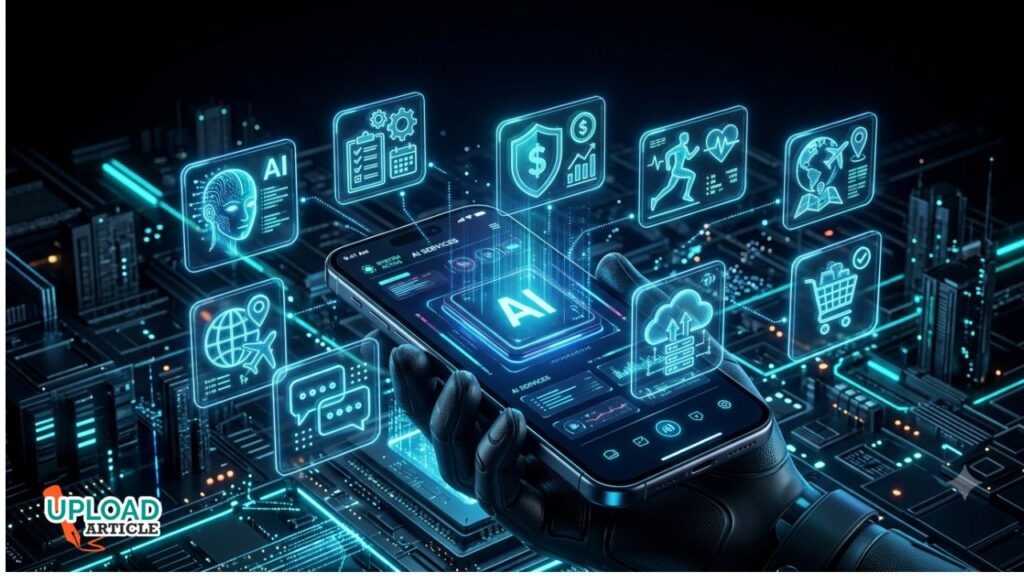
The traditional image of work tied to a fixed desk and a stationary computer has faded considerably over the past decade. Mobile applications have quietly redefined how tasks get done, moving essential functions from bulky office systems into devices that fit in a pocket. In Poland and across many other markets, professionals now handle correspondence, scheduling, and project coordination during commutes, in cafés, or between meetings. This shift reflects a broader change in expectations around flexibility, responsiveness, and the boundaries separating professional and personal time.
From Fixed Offices to Flexible Workspaces
The move away from a rigid, location-bound routine began with the realization that many tasks no longer required physical presence. Cloud-based tools allowed documents, calendars, and communication threads to travel with the worker rather than staying locked to a single machine. As smartphones grew more capable, the office effectively became wherever a signal reached.
This transformation carried practical consequences for how teams organize themselves. Managers began to measure output by results rather than hours spent at a desk, while employees gained the ability to structure their day around productivity peaks instead of a fixed clock. The result has been a gradual normalization of hybrid arrangements, where mobile devices serve as the connective tissue holding distributed groups together. The table below summarizes how the shift from traditional to mobile-driven work reshaped key aspects of daily routines:
| Aspect | Traditional Office | Mobile-Driven Work |
| Location | Fixed desk and computer | Anywhere with a signal |
| Performance measure | Hours spent at a desk | Results and output |
| Communication | Long email chains | Instant, threaded messaging |
| Tools access | Desktop software | Synced apps across devices |
| Schedule | Fixed clock | Structured around productivity peaks |
Communication Reinvented Through Apps
Perhaps no area has felt the impact more strongly than communication. Messaging platforms, video conferencing tools, and shared workspaces have replaced long email chains with instant, threaded conversations. A question that once required a formal message can now be resolved in seconds through a quick chat, keeping projects moving without unnecessary delays.
The immediacy of these tools has changed the rhythm of collaboration. Teams spread across different cities or countries can coordinate as though they share a room, exchanging feedback, files, and decisions in real time. This constant connectivity also raises questions about attention and boundaries, since the same notifications that keep work flowing can intrude on rest. Balancing responsiveness with focus has become one of the defining challenges of the mobile workplace.
Productivity Tools in the Palm of the Hand
Beyond communication, a wide range of applications now support the mechanics of daily work. Task managers, note-taking apps, and time-tracking utilities help individuals organize their responsibilities without relying on paper or desktop software. These tools synchronize across devices, so a note jotted on a phone appears instantly on a laptop, preserving continuity throughout the day.
The influence of app design extends well beyond office settings, shaping how people interact with entertainment and leisure services during downtime as well. The instinct to optimize every idle moment means a worker waiting on a file to upload might redeem a Vulkan Bet promo code with the same casual ease once reserved for scrolling headlines, a habit that reveals how thoroughly mobile interfaces have absorbed tasks that once required a computer. This overlap between work and personal use has trained users to expect seamless, intuitive experiences regardless of the activity, pushing developers across sectors toward cleaner layouts and faster navigation.
The cumulative effect is a workforce comfortable switching contexts rapidly. A single device may host tools for invoicing, drafting reports, and coordinating deliveries, all accessible within a few taps. This concentration of functionality reduces friction and allows small businesses in particular to operate with resources that once demanded dedicated departments.
Security and Discipline in a Mobile Environment
The convenience of working from anywhere introduces responsibilities that cannot be overlooked. Sensitive information travels through networks and devices that may lack the protections found in traditional office infrastructure. Companies have responded by adopting encryption, multi-factor authentication, and remote management systems that safeguard data even when a phone is lost or stolen.
Personal discipline plays an equally important role. Because the same device serves as a workspace and a source of distraction, individuals must develop habits that separate focused effort from casual browsing. Some useful practices include the following:
- Setting specific hours for checking work notifications to avoid constant interruption.
- Using separate profiles or apps to keep professional and personal data distinct.
- Regularly updating software to close security gaps that attackers might exploit.
Where This Transformation Leads
The migration of work into mobile applications reflects a lasting change in how people relate to their responsibilities. Flexibility, instant communication, and portable productivity tools have collectively dissolved many of the constraints that once tied labor to a single place and schedule. At the same time, this freedom demands thoughtful attention to security and personal boundaries. The devices that empower a mobile workforce also require careful management to keep their benefits from turning into sources of stress or vulnerability, and that balance will continue to shape how work evolves.