18 Wheeler Parking: How to Find the Right Overnight Truck Parking
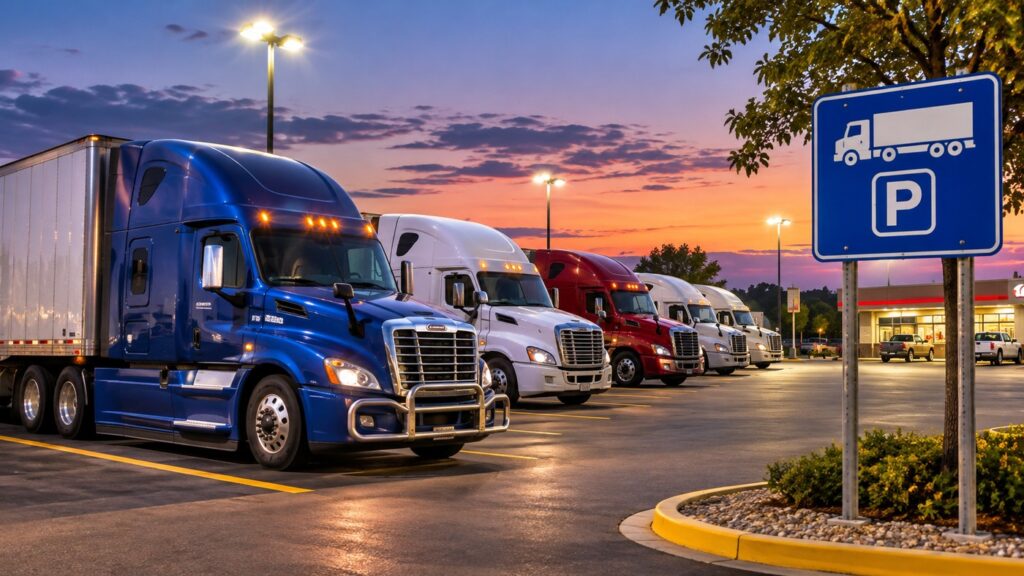
Finding suitable parking for an 18-wheeler is an important part of planning commercial transportation operations. Whether you are an owner-operator, a company driver, or a fleet manager, having access to an appropriate parking location can make it easier to manage routes, delivery schedules, and required rest periods.
Finding 18 wheeler parking can be challenging near busy highways, major cities, warehouses, and freight corridors. Drivers looking for overnight truck parking need to consider more than location. Vehicle dimensions, trailer compatibility, access hours, parking conditions, and property rules all influence whether a location is suitable.
This guide explains how commercial drivers and trucking businesses can find and evaluate parking options for 18-wheelers.
1. Understand Your 18-Wheeler Parking Requirements
An 18-wheeler typically consists of a semi-truck connected to a trailer. Because the complete vehicle is considerably longer than a standalone tractor, it requires adequate space for entry, parking, and departure.
Before searching, consider:
- Overall truck and trailer length
- Vehicle width and height
- Turning radius
- Entrance and exit clearance
- Trailer configuration
- Expected parking duration
- Access requirements
Different properties may have different vehicle restrictions. Confirm that the parking location can accommodate your complete tractor-trailer combination rather than assuming that every commercial parking space is suitable.
2. Choose a Convenient Location Along Your Route
Location is a major consideration when searching for 18 wheeler parking. Drivers should look for properties that are practical to reach from their planned route and convenient for their next destination.
Consider parking options near:
- Major highways and interstate corridors
- Warehouses and distribution centers
- Freight terminals and logistics hubs
- Industrial and commercial areas
- Regular pickup and delivery locations
- Trucking company operating zones
Check the surrounding roads for low-clearance structures, weight restrictions, truck access rules, and difficult turns.
A location that appears close on a map may not be suitable for a large tractor-trailer. Evaluate the complete route before choosing a property.
3. Look for Suitable Overnight Truck Parking
Drivers searching for overnight truck parking should confirm that the property allows vehicles to remain parked for the entire intended period.
Before booking, ask the property operator:
- Is overnight parking permitted?
- Are there specific entry and exit hours?
- Is advance reservation required?
- Can drivers access their trucks throughout the night?
- Are there restrictions on attached trailers?
- What happens if arrival is delayed?
Do not assume that a property offering truck parking automatically allows overnight stays or unrestricted access. Confirm the exact arrangements before planning your stop.
4. Verify Parking Space Dimensions and Trailer Compatibility
Not every commercial parking property can accommodate a full 18-wheeler. Some spaces may be designed for smaller commercial vehicles or standalone tractors.
Before selecting a location, confirm:
- Maximum permitted vehicle length
- Parking-space dimensions
- Entrance and exit width
- Turning and maneuvering space
- Trailer compatibility
- Internal road layout
- Surface conditions
If you operate a specialized trailer, such as a reefer, flatbed, or dry van, ask whether the property accepts that configuration.
Checking these details before arrival can help prevent access problems and unnecessary delays.
5. Evaluate Property Conditions and Accessibility
A suitable parking property should provide enough room for a large commercial vehicle to maneuver comfortably.
Review the following features:
- Wide entrances and exits
- Adequate turning areas
- Suitable parking surfaces
- Proper drainage
- Clear internal traffic routes
- Lighting and visibility
- Access arrangements for commercial trucks
For 18-wheelers, maneuverability is especially important because the tractor and trailer must navigate the property together.
If property photos or layout information are available, review them before booking. When details are unclear, contact the operator for confirmation.
6. Review Security Features and Parking Rules
Security arrangements vary between commercial parking properties. Some may offer fencing, controlled gates, lighting, cameras, or on-site personnel, while others may have different arrangements.
Before choosing overnight truck parking, verify which features are available at the specific location.
Ask about:
- Gate access and entry procedures
- Lighting and monitoring arrangements
- On-site personnel, if available
- Visitor policies
- Emergency contact information
- Rules for unattended trucks and trailers
- Insurance and liability responsibilities
Also review any restrictions on maintenance, equipment storage, noise, and vehicle movement.
Making a decision based on verified property information is more reliable than assuming all truck parking locations provide the same features.
7. Compare Daily, Weekly, and Monthly Parking Options
Commercial drivers may need parking for different durations depending on their schedules and business requirements.
Common arrangements include:
- Daily parking: For short stops and occasional parking needs.
- Overnight parking: For drivers who need a place to park between work periods.
- Weekly parking: For drivers operating in a specific area over several days.
- Monthly parking: For owner-operators and businesses that regularly use the same location.
- Long-term parking: For trucks or trailers that need to remain parked for an extended period.
Compare the permitted duration, total cost, payment terms, renewal conditions, and cancellation policies before committing to a property.
For recurring parking needs, ask whether the property offers an arrangement that matches your operating schedule.
8. Consider Parking Requirements for Trucking Companies
Trucking companies and fleet operators may need more than one parking space for their commercial vehicles. Their requirements can include parking for 18-wheelers, standalone tractors, and different trailer types.
Fleet managers should evaluate:
- Number of spaces required
- Vehicle and trailer configurations
- Distance from dispatch locations
- Driver access arrangements
- Parking duration
- Recurring payment terms
- Flexibility as fleet requirements change
Planning parking needs in advance can help businesses manage vehicles between assignments and organize their commercial operations.
9. Use a Commercial Truck and Trailer Parking Marketplace
Finding individual parking properties can take time, particularly when drivers operate across multiple cities or businesses need several spaces.
A commercial truck and trailer parking marketplace can help users explore parking opportunities that match their requirements.
Stackkly is a commercial truck and trailer parking marketplace designed for truck drivers, owner-operators, fleet operators, trucking companies, and logistics businesses.
Drivers searching for 18 wheeler parking can use Stackkly to explore commercial parking opportunities. Businesses can also consider the marketplace when looking for overnight truck parking and other parking arrangements for their commercial vehicles.
Before booking, review each property’s details and confirm vehicle compatibility, pricing, availability, access instructions, and parking terms directly.
10. Top Companies in Commercial Truck and Trailer Parking
Commercial drivers and fleet operators can explore different platforms when searching for truck and trailer parking.
1. Stackkly
Stackkly is a commercial truck and trailer parking marketplace that helps drivers, owner-operators, fleet operators, and trucking businesses explore parking opportunities. Its focus is on commercial parking requirements for trucks and trailers.
2. Truck Parking Club
Truck Parking Club provides a platform for discovering and booking truck parking locations. Drivers should review individual property details to confirm that a location accommodates their vehicle and trailer configuration.
3. Park My Truck
Park My Truck is a truck parking search resource that commercial drivers can explore when looking for suitable parking locations. Check individual listings for property details, availability, and restrictions.
4. Truck Parking USA
Truck Parking USA is another resource for drivers searching for commercial truck parking. Confirm whether specific locations accommodate full 18-wheelers and review the property’s overnight parking terms.
Comparing platforms and individual property details can help drivers identify parking options that fit their routes, vehicles, and schedules.
Conclusion
Finding suitable 18 wheeler parking requires careful consideration of vehicle dimensions, trailer compatibility, location, access, property conditions, and parking rules. These factors become especially important when a driver needs to leave a complete tractor-trailer combination parked overnight.
When looking for overnight truck parking, plan ahead and verify the property’s access hours, vehicle restrictions, and parking terms before arrival.
Stackkly supports commercial drivers and trucking businesses as a marketplace focused on truck and trailer parking. By exploring relevant parking opportunities and confirming property details, drivers and fleet operators can make more informed decisions about their commercial parking needs.