Why Your Teeth Still Look Yellow Even When You Brush Twice a Day
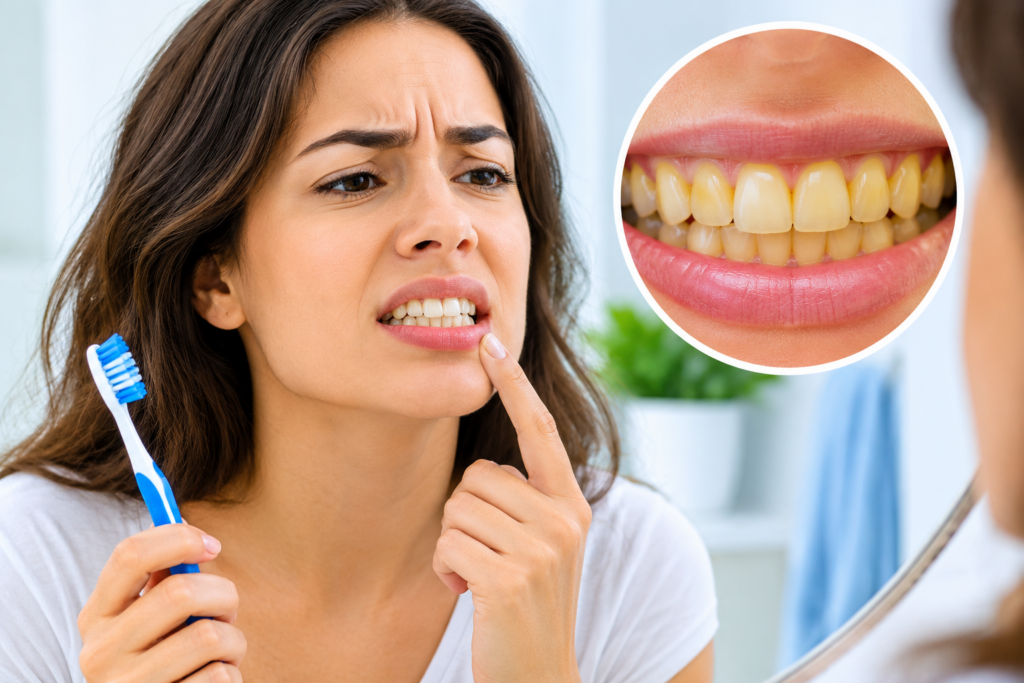
You’ve been brushing your teeth morning and night, avoiding too many sugary treats and doing your best to maintain a healthy smile. Yet when you look in the mirror, your teeth still have a yellowish appearance. It’s frustrating, especially when you’re putting in the effort to keep them clean.
The surprising thing is that yellow teeth aren’t necessarily unhealthy teeth. Natural tooth colour varies from person to person, and several factors can affect how bright your smile looks. Some have little to do with your brushing habits.
Before spending money on whitening products, it’s worth understanding what’s actually causing the discolouration. A professional examination with your regular dental practitioner or a Campsie dentist can help determine whether you’re dealing with surface stains, natural tooth colour or changes that require treatment.
Your Natural Tooth Colour Plays a Bigger Role Than You Think
Not everyone is born with naturally white teeth.
The outer layer of your teeth, called enamel, is slightly translucent. Beneath it sits dentine, which naturally has a yellowish colour.
The thickness of your enamel and the shade of your dentine influence how your teeth appear.
Some people naturally have thicker enamel that makes their teeth look lighter, while others have more visible underlying colour.
Genetics plays a role in these differences, meaning two people with equally healthy teeth can have noticeably different smiles.
Your Morning Coffee Could Be Leaving Stains
Coffee and tea are common causes of surface staining.
Both contain compounds called tannins, which can contribute to discolouration over time. Red wine, cola and strongly coloured foods may have similar effects.
You don’t necessarily need to give up your favourite drinks, but changing a few habits can help.
Try these simple adjustments:
- Rinse your mouth with water after drinking coffee or tea.
- Avoid sipping staining beverages continuously throughout the day.
- Drink water regularly to help wash away food particles.
- Maintain consistent brushing and flossing habits.
- Arrange professional cleaning when recommended by your dentist.
Professional cleaning can remove certain surface stains, although it won’t change the natural colour of your teeth.
Your Enamel May Be Getting Thinner
Enamel protects your teeth from everyday wear, but it can gradually become thinner.
Ageing, exposure to acidic foods and drinks, and certain habits can contribute to enamel loss.
As enamel wears away, more of the yellowish dentine underneath becomes visible.
This can make your teeth appear darker even when you’re brushing correctly.
Unlike some early mineral changes that can be repaired through remineralisation, enamel that has physically worn away cannot grow back.
Protecting the enamel you have is therefore important for maintaining both appearance and dental health.
Brushing Harder Won’t Make Your Teeth Whiter
When teeth look yellow, it’s tempting to brush more aggressively.
Unfortunately, applying excessive pressure doesn’t remove natural tooth colour and may contribute to enamel wear and gum irritation.
Choose a soft-bristled toothbrush and use gentle movements rather than scrubbing.
Brush twice daily for approximately two minutes with fluoride toothpaste.
If you’re unsure whether you’re brushing effectively, a dental professional can demonstrate techniques that clean your teeth without unnecessary pressure.
Whitening Toothpaste Has Its Limitations
Whitening toothpaste can help remove certain external stains, but it doesn’t necessarily change the underlying colour of your teeth.
Some formulations contain mild abrasives that help polish away surface discolouration.
However, more aggressive cleaning isn’t always better, particularly if you already have sensitive teeth or signs of enamel wear.
Be cautious about homemade whitening remedies involving lemon juice, charcoal or other abrasive substances.
These approaches may damage your teeth without delivering the results you’re hoping for.
If you’re considering whitening treatments, professional advice can help you understand which options are appropriate.
Sometimes Discolouration Has a Different Cause
Not every colour change is related to food, drinks or ageing.
Dental injuries, certain medications and changes within a tooth can sometimes cause discolouration that ordinary brushing cannot remove.
A single tooth that becomes noticeably darker than the surrounding teeth deserves particular attention.
Rather than trying to cover the problem with whitening products, arrange a dental examination to identify the cause.
Treatment options depend on what’s responsible for the colour change.
Focus on Healthy Teeth, Not Perfectly White Ones
Having slightly yellow teeth doesn’t automatically mean you’re neglecting your oral hygiene.
Natural tooth structure, dietary habits and enamel changes can all influence how your smile looks.
Instead of brushing harder or experimenting with harsh whitening products, focus on gentle cleaning, fluoride toothpaste and regular dental care.
If you’re unhappy with the colour of your teeth, understanding the cause is the best place to start. A healthy smile doesn’t have to be perfectly white to look good.