Adjustment Disorder vs PTSD: Exploring Treatment Options and Long-Term Mental Health Support
Stressful and traumatic experiences can affect people in different ways. Some individuals struggle with emotional changes after major life events, while others experience lasting effects following traumatic situations. These difficulties may influence sleep, relationships, concentration, and everyday responsibilities. Understanding different stress-related conditions can help individuals recognize their mental health needs.
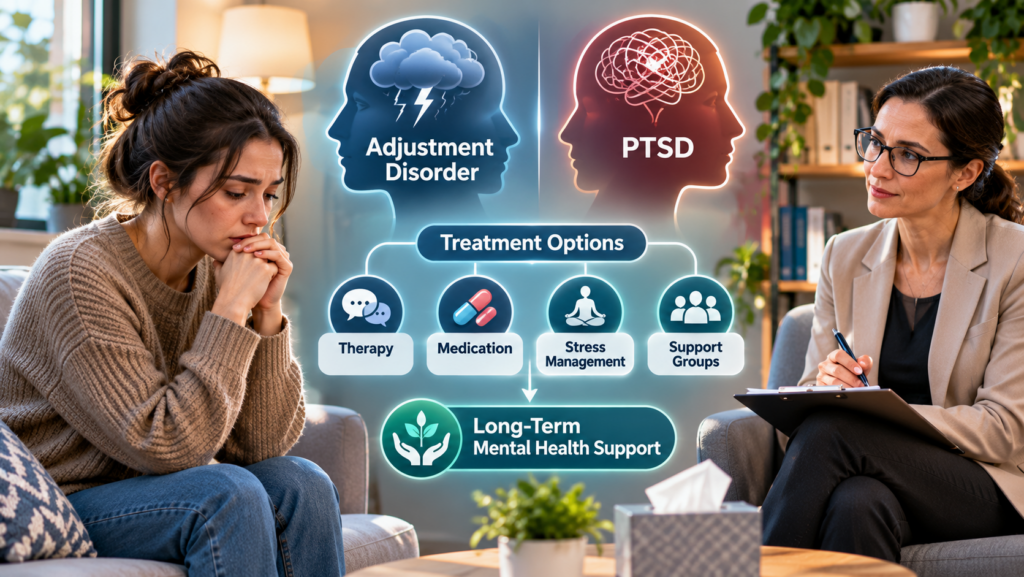
Although both conditions involve emotional distress, their causes, symptoms, and treatment approaches can vary. The understanding of Adjustment Disorder vs PTSD can help individuals recognize the differences between these conditions and their treatment needs. Each individual has unique experiences, so treatment should reflect their symptoms, medical history, and personal circumstances.
Long-term mental health support can help individuals manage symptoms and improve daily functioning. At Altitude Behavioral Care and Integrative Health, patients can explore psychiatric support for their mental health concerns. Seeking professional support may also be beneficial when persistent worry and emotional distress interfere with everyday activities.
Understanding Treatment Needs
Treatment for adjustment disorder and PTSD depends on the individual’s symptoms and personal circumstances. Both conditions can affect emotional well-being, but they may require different approaches. A mental health professional evaluates the patient’s experiences before recommending suitable treatment options.
Adjustment disorder treatment often focuses on managing stress and improving coping abilities. Psychotherapy can help individuals understand their emotional responses and develop practical ways to handle difficult situations. Support may also address relationship problems, workplace stress, or other challenges contributing to symptoms.
PTSD treatment often requires specialized approaches that address trauma-related symptoms. Trauma-focused therapies can help individuals process difficult experiences and manage unwanted memories. A qualified professional considers symptom severity, treatment history, and personal preferences when developing an appropriate care plan.
Psychiatric Medication Management
Psychiatric medication management involves evaluating prescribed medications and monitoring their effects on mental health symptoms. Some individuals with adjustment disorder or PTSD may benefit from medication as part of a broader treatment plan. However, medication is not necessary for everyone, and treatment decisions depend on individual clinical needs.
Psychiatrists consider several factors before recommending or adjusting medication. These may include symptom severity, previous treatment experiences, medical history, and possible side effects. For PTSD, certain antidepressants may be prescribed to help manage symptoms. Medication may also be considered when adjustment disorder involves significant anxiety or depressive symptoms.
Regular medication reviews help determine whether a prescription remains appropriate. Patients can discuss changes in mood, sleep, concentration, and other concerns during appointments. They should follow their prescribed treatment and consult their healthcare provider before making medication changes.
Monitoring Mental Health Symptoms
Monitoring mental health symptoms is an important part of ongoing treatment. Emotional responses can change over time, especially when individuals experience additional stress or difficult life events. Tracking these changes helps healthcare professionals understand whether treatment is providing the expected support.
Patients can pay attention to changes in their daily experiences. Keeping a simple record of symptoms may help identify patterns and provide useful information during psychiatric appointments.
Some areas worth monitoring include:
- Mood changes: Noticeable changes in sadness, irritability, or emotional stability.
- Sleep patterns: Difficulty sleeping, nightmares, or changes in sleeping routines.
- Anxiety levels: Increased worry, fear, or feelings of tension.
- Daily functioning: Challenges with work, relationships, or personal responsibilities.
- Treatment response: Changes in symptoms after starting or adjusting treatment.
- Medication effects: New or ongoing side effects that require medical attention.
Sharing these observations with a psychiatrist can support more informed treatment decisions. If symptoms become worse or new concerns develop, patients should discuss them with their healthcare provider. Regular monitoring also helps identify when additional support may be needed.
Adjustment Disorder vs PTSD: Managing Emotional Challenges
Understanding Adjustment Disorder vs PTSD is important when exploring ways to manage emotional difficulties. Both conditions can affect everyday functioning, but individuals may experience different symptoms and challenges. Recognizing these differences helps mental health professionals recommend appropriate support.
Living with emotional difficulties can make everyday responsibilities feel overwhelming. Some individuals struggle with unwanted memories, persistent worry, or difficulty adjusting to stressful situations. Ongoing fear, excessive worry, and persistent emotional distress can affect sleep, relationships, and daily activities, making Professional Help for Anxiety an important step toward understanding symptoms and exploring appropriate psychiatric treatment options.
Psychotherapy may help individuals recognize emotional patterns and develop practical coping skills. Relaxation exercises, structured routines, and supportive relationships can also contribute to emotional well-being. Maintaining consistent sleep habits and engaging in suitable physical activity may provide additional support. However, these strategies should complement professional treatment rather than replace it.
Importance of Regular Follow-Ups
Regular follow-up appointments help psychiatrists evaluate treatment progress and identify changes in mental health symptoms. These visits provide an opportunity to discuss concerns and review whether the current approach remains appropriate. Consistent communication can also help patients feel more involved in their treatment decisions.
During follow-up appointments, psychiatrists may review symptom changes, medication effectiveness, and possible side effects. They can also discuss challenges that affect daily functioning. If the current treatment is not providing sufficient support, the psychiatrist may consider appropriate adjustments based on clinical findings.
Patients should attend scheduled appointments and share important changes in their condition. They should also contact their healthcare provider when unexpected concerns arise between visits. Regular follow-ups support continuity of care and help maintain a treatment plan that reflects changing mental health needs.
Personalized Mental Health Care
Every individual experiences emotional distress differently. Two people with similar symptoms may have different personal histories, health needs, and treatment preferences. For this reason, personalized mental health care is important when addressing adjustment disorder and PTSD.
A psychiatrist considers the patient’s symptoms, medical history, daily challenges, and treatment goals before recommending an approach. Some individuals may benefit from psychotherapy, while others may require medication management or a combination of treatments. The treatment plan can also change as symptoms and personal circumstances develop.
The knowledge of Adjustment Disorder vs PTSD is an important starting point, but a professional assessment is necessary to determine the appropriate diagnosis and treatment approach. With suitable psychiatric care and regular monitoring, individuals can work toward managing symptoms and improving their quality of life.