How to Avoid Expensive Groundwork Mistakes When Building an Extension
Adding an extra bedroom, larger kitchen or home office can transform the way you use your home. But before the walls go up and the finishing touches begin, there’s something far less exciting that deserves your attention: the ground beneath the extension.
Groundwork problems can turn a straightforward building project into an expensive headache. Unexpected soil conditions, poorly planned foundations and overlooked underground services can cause delays, additional costs and even structural problems after construction is complete.
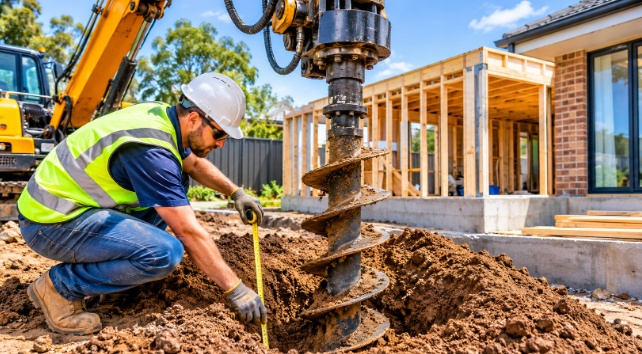
Getting things right from the beginning involves understanding the site and choosing suitable construction methods. Depending on the soil conditions and foundation design, techniques such as auger drilling may be used to create holes for foundation piers or investigate ground conditions. However, careful planning and professional assessment are just as important as the equipment used.
Don’t Assume the Ground Is Suitable for Building
Just because your existing home has stood for decades doesn’t mean the surrounding ground will automatically support an extension.
Soil conditions can vary considerably across the same property. One section might contain stable, compacted ground, while another has loose fill, clay or poorly drained soil.
These differences can affect how foundations need to be designed.
Before construction begins, arrange any necessary soil investigations and have a qualified professional assess the results.
This can help identify potential problems before excavation starts, when design changes are generally easier and less expensive to manage.
Check for Underground Services Before Digging
One of the most costly groundwork mistakes is accidentally damaging something buried beneath the surface.
Water pipes, electrical cables, gas lines and drainage systems may run through areas where foundations are planned.
Striking an underground service can create serious safety risks and lead to expensive repairs.
Before any excavation, make sure underground utilities are properly identified.
Useful precautions include:
- Obtaining available utility plans and service records.
- Arranging professional utility locating where necessary.
- Checking for private services that may not appear on public records.
- Confirming safe excavation procedures with contractors.
- Adjusting the building design if services cannot be safely relocated.
Never assume that an empty-looking section of garden has nothing buried underneath.
Make Sure the Foundations Match the Site
Foundations are responsible for transferring the weight of the extension safely into the ground.
If they’re unsuitable for the soil conditions or expected loads, the building may experience excessive settlement or movement.
Potential warning signs can include cracking walls, uneven floors and doors that become difficult to open.
Different sites require different foundation solutions.
Some extensions may use conventional footings, while others need deeper foundations to reach more suitable supporting ground.
The correct approach should be determined through appropriate engineering design rather than simply copying the foundations used elsewhere on the property.
Plan for Drainage Before Construction Starts
Water management is easy to overlook when you’re focused on creating more living space.
However, poor drainage can contribute to soil movement, moisture problems and damage around foundations.
An extension may also change how rainwater flows across your property.
For example, a new roof could direct additional water towards an area that previously received very little runoff.
Before construction begins, consider where roof water will discharge and whether existing drainage systems can accommodate the changes.
It’s also important to ensure the finished ground slopes appropriately away from vulnerable parts of the building where required.
Addressing drainage during the planning stage is usually easier than correcting problems after landscaping and construction are complete.
Allow Room in Your Budget for Unexpected Problems
Even carefully planned building projects can encounter surprises underground.
Contractors might uncover buried debris, unsuitable fill, unexpected rock or previously undocumented structures.
These discoveries can affect excavation methods, foundation designs and construction schedules.
Rather than allocating every dollar to visible improvements, include a reasonable contingency allowance in your budget.
Discuss potential groundwork risks with your builder before signing a contract.
Ask which situations could result in additional charges and how any variations will be documented and approved.
Understanding these possibilities early can help prevent disagreements when unexpected work becomes necessary.
Don’t Rush the Ground Preparation
When you’re eager to see construction progress, groundwork can feel frustratingly slow.
However, rushing excavation, soil preparation or foundation installation can create problems that are difficult to correct later.
Make sure contractors follow the approved plans and allow adequate time for required inspections.
Where concrete foundations are involved, follow the specified curing and construction requirements before applying additional loads.
Keep copies of inspection reports, engineering documents and relevant approvals for future reference.
These records may prove valuable if questions arise during later renovations or property sales.
Build on a Solid Foundation
A successful home extension starts long before the first wall is built.
Understanding the ground conditions, locating underground services, planning drainage and selecting suitable foundations can help prevent expensive surprises.
While groundwork may not be the most exciting part of a renovation, it’s one of the most important.
Investing time in proper preparation gives your extension a stronger foundation and helps ensure the finished space remains comfortable, functional and structurally sound for years to come.