The Role of Color Temperature in Commercial Lighting Design
Lighting design is far more than deciding where to place fixtures—it can transform how a space feels, functions, and performs. One critical aspect often overlooked during a commercial lighting upgrade is color temperature. This nuanced element plays a vital role in setting the mood, enhancing productivity, and improving customer experiences.
Whether you’re designing a retail store, an office, or a hospitality venue, understanding how color temperature impacts commercial spaces is indispensable. By the end of this guide, you’ll know exactly how to select the right color temperature for any commercial environment.
What is Color Temperature in Lighting?
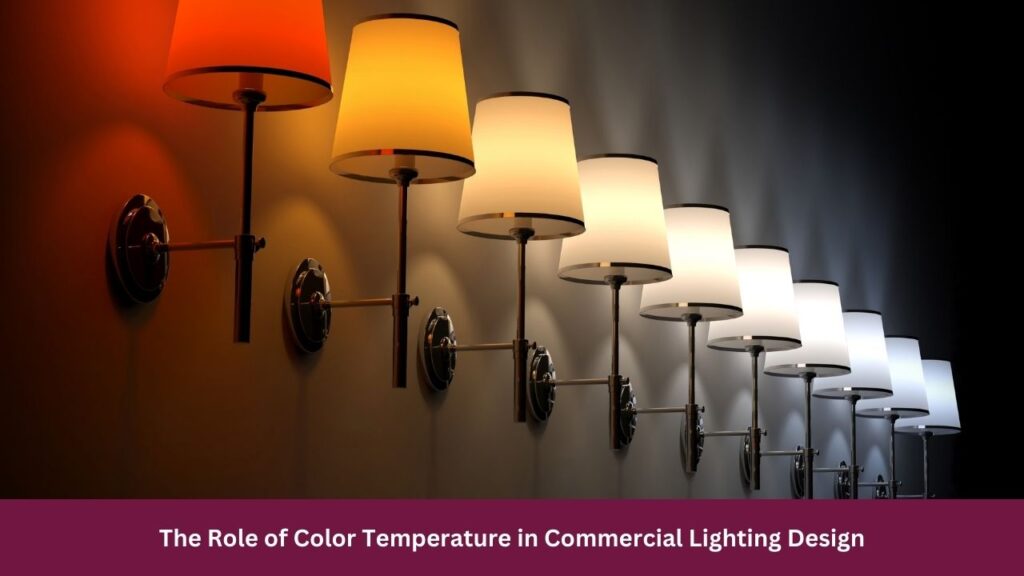
Color temperature, measured in Kelvin (K), describes the hue and tone of a light source. The scale typically ranges from warm yellow tones (about 2000–3000K) to cooler blue hues (above 5500K). For instance:
- Warm light (2000K–3000K): Soft, cozy, inviting (think candlelight or incandescent bulbs).
- Neutral light (3500K–4500K): Balanced, versatile, natural daylight-like.
- Cool light (5000K+): Bright, crisp, and energizing.
Consider a warm-lit hotel lobby that feels inviting versus a sterile cool-lit workspace that encourages focus. Recognizing these differences is crucial for tailoring lighting solutions during a commercial lighting upgrade.
The Psychological and Physiological Effects of Color Temperature
Lighting affects not only our perception of spaces but also our well-being and mood.
- Warm Lighting: Creates feelings of relaxation and comfort, ideal for hospitality spaces like lounges or restaurants.
- Cool Lighting: Boosts alertness and energy, making it suitable for offices or industrial settings.
- Neutral Lighting: Versatile enough to promote focus without being harsh, often used in educational or healthcare settings.
Studies show that exposure to cool, bright light can improve concentration, while warmer light aids relaxation at the end of the day. By factoring in these effects, you ensure lighting enhances employee productivity or customer experiences.
How Color Temperature Shapes Commercial Spaces
Each commercial environment benefits from a strategically chosen color temperature. Here’s how it works across different industries:
Retail Spaces
Retail is about creating moods that encourage shopping. Warm light makes fitting rooms feel appealing, while neutral or cool lights highlight products’ true colors and textures. Big retailers like Apple use 4000K–5000K to emphasize product accuracy and boost buying confidence.
Office Environments
High productivity depends on the right light. Bright, cool light at about 5000K keeps employees alert and reduces eye strain for computer work. Incorporating adjustable LED solutions even lets you mimic natural daylight for better work-life balance.
Hospitality Spaces
Hotels and restaurants thrive on ambiance. Warm tones (2700K–3000K) create a welcoming atmosphere in lobbies or dining areas, while bathrooms or kitchens use brighter cool light (4000K) to maintain functionality.
Best Practices for Selecting Color Temperatures
Align with Functionality
Function defines temperature. For productive zones like offices, stick to cooler tones between 4000K–5000K. Relaxation zones like spas require warm lighting, typically under 3000K.
Incorporate Layering
Don’t rely solely on a single temperature. Use layered lighting (ambient, task, and accent) to provide flexibility and depth. For example, combine warm floor lamps with cool overhead LEDs in a lobby.
Experiment Before Committing
Before a final commercial lighting upgrade, test various color temperatures onsite. Lighting is contextual—what looks bright in-store may feel glaring in a dim conference room.
How LED Technology Revolutionized Color Temperature Adjustments
Gone are the days of being stuck with one light tone. LED technology offers versatility that enables switching color temperatures with ease. Many modern fixtures allow dynamic adjustment, so businesses can go from warm mood-setting hues to brighter, focus-driven tones with the flip of a switch.
Additionally, LEDs are energy-efficient and long-lasting—helping you reduce costs over time while maintaining dynamic lighting environments. For facility managers planning a commercial lighting upgrade, LEDs are invaluable assets.
Conclusion
Lighting is evolving. Facilities are leaning into technologies like dynamic circadian lighting systems that shift tones throughout the day to regulate natural body rhythms. Expect more solutions personalized to the needs of both clients and employees.
Likewise, sustainability will define the next era of lighting. More companies are adopting smarter LED systems, like those offered by Actual Energy, to blend efficiency with customized design. For professionals tackling a commercial lighting upgrade, it’s an exciting time to innovate.