8 Creative Ideas for Sustainable Building Projects
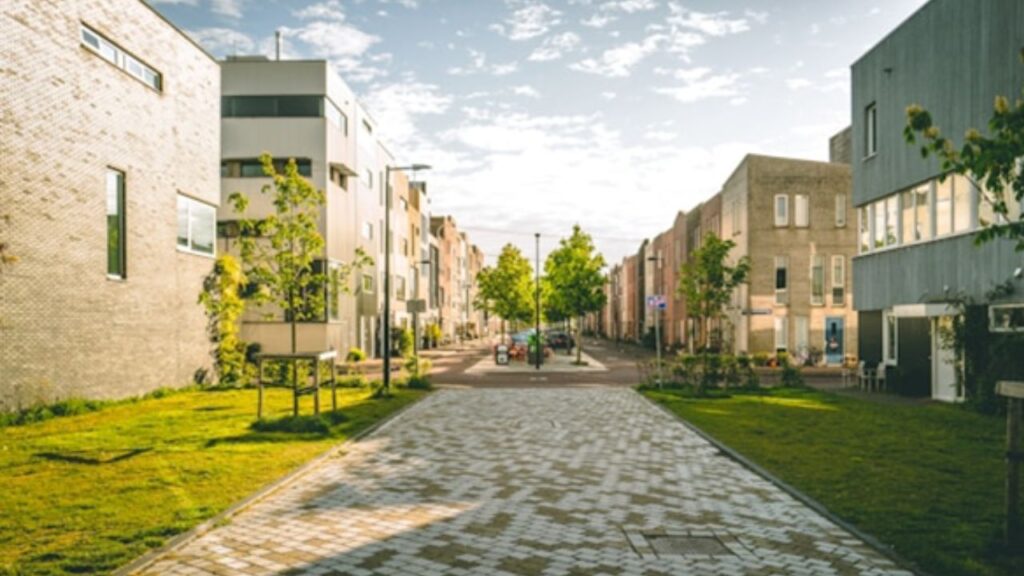
Sustainability has become a cornerstone of modern architecture and construction. As cities expand and resources become more strained, the need for responsible building practices has never been greater. Sustainable projects reduce ecological impact and create healthier more resilient spaces for communities. Architects and builders can design projects that balance functionality, aesthetics, and environmental stewardship by embracing creativity and new ideas. Here are eight creative ideas that are changing sustainable building projects today.
Green Roofs and Living Walls
Green roofs and living walls are powerful ways to bring nature into city environments. These features provide insulation, reduce stormwater runoff and improve air quality. Beyond their environmental benefits, they also enhance how buildings look creating lively natural facades. Living walls can be customized with diverse plant species offering seasonal variation and biodiversity in otherwise concrete-heavy landscapes.
Passive Solar Design
Passive solar design captures the sun’s energy without relying on mechanical systems. Architects regulate indoor temperatures by orienting buildings and incorporating elements such as large south-facing windows thermal mass materials and shading devices. This reduces reliance on heating and cooling systems and lowers energy consumption and costs. Passive solar design is a timeless yet groundbreaking approach that aligns with both sustainability and effectiveness.
Reclaimed and Recycled Materials
Using reclaimed and recycled materials is a creative way to reduce waste and conserve resources. From reclaimed wood and recycled steel to repurposed bricks and glass, these materials bring character and history to new projects. They also minimize the environmental footprint associated with the manufacturing of new materials. Builders who incorporate reclaimed elements often find that they add unique textures and stories to their projects and make them both sustainable and distinctive.
Water Harvesting Systems
Water scarcity is a growing concern worldwide, and sustainable buildings can address this challenge through water harvesting systems. Rainwater collection, greywater recycling, and efficient irrigation systems help reduce dependence on municipal water supplies. These systems conserve water and promote self-sufficiency. In urban areas, integrating water harvesting into building design ensures that projects have a positive impact on local ecosystems.
Energy-Efficient Facades
Facades have a critical role in regulating building performance. Groundbreaking designs using shading devices reflective surfaces, and custom perforated metal patterns can improve energy productivity. Perforated panels, as an example, allow natural light to filter through while reducing heat gain creating comfortable interiors with lower energy demands. These facades combine functionality with artistry offering architects the freedom to design striking buildings that also perform .
Modular and Prefabricated Construction
Modular and prefabricated construction methods are causing a revolution in sustainable building. By manufacturing components off-site, waste is minimized and efficiency is maximized. Prefabricated modules can be assembled reducing construction time and disruption to surrounding environments. These methods also allow for precise resource management ensuring that materials are used . Modular construction is valuable in urban areas where space and time constraints are significant.
Smart Building Technologies
Smart technologies enhance sustainability by optimizing energy and resource use. Systems that monitor and adjust lighting, heating and cooling in real time reduce waste and improve performance. Sensors can track occupancy and adjust systems to conserve energy. Smart technologies also provide valuable data that enables building managers to make informed decisions about maintenance and performance. This integration of technology and sustainability creates buildings that are both intelligent and eco-friendly.
Community-Centered Design
Sustainable building projects have the most impact when they serve the needs of their communities. Designing spaces that encourage social interaction, provide access to green areas, and support local economies ensures that sustainability extends beyond environmental concerns. Community-centered design emphasizes inclusivity, resilience, and long-term value. By prioritizing people alongside the planet, architects create projects that foster stronger healthier communities.
Conclusion
Sustainable building projects thrive on creativity and fresh breakthroughs. From green roofs and passive solar design to smart technologies and community-centered spaces, these ideas demonstrate how architecture can balance environmental responsibility with human needs. By embracing reclaimed materials efficient facades, and modular construction, builders can reduce waste and enhance performance. In the end sustainable projects are not just about minimizing impact—they are about creating spaces that inspire, endure, and contribute to the world around them.