Discovering Authentic Pacific Art and Culture: Stories and Traditions from Australia, New Zealand & Papua New Guinea
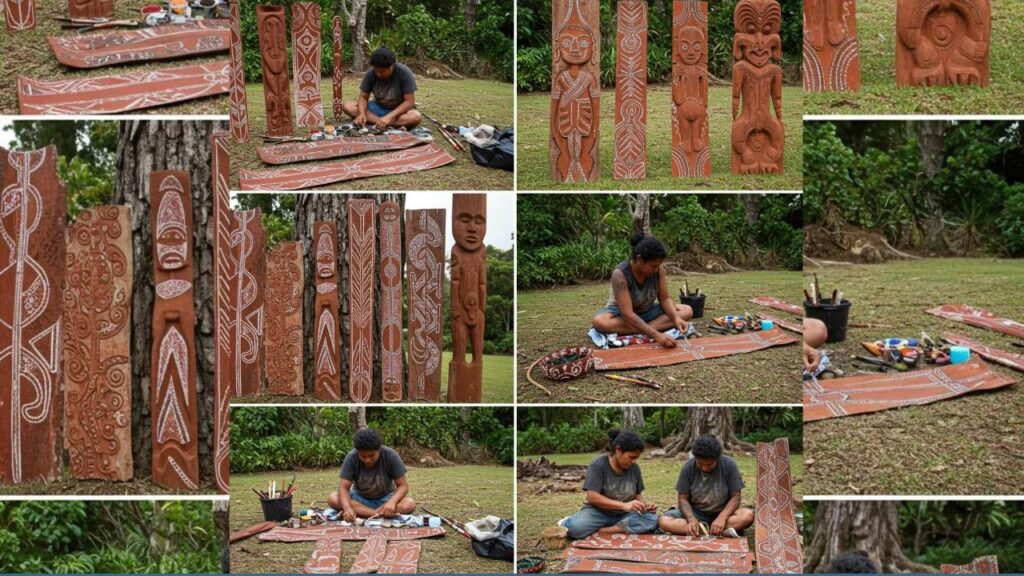
Indigenous Pacific art represents millennia of creative expression, profound spiritual insight, and collective memory. Yet, many worldwide audiences lack direct access to authentic narratives from Australia, New Zealand, and Papua New Guinea. This guide invites you to explore art forms ranging from intricate dot paintings and detailed bark carvings to powerful haka performances and vibrant sing-sings, fostering a deeper appreciation for local Pacific cultures and Indigenous Australian art. You’ll uncover how Dreamtime stories shape visual expressions, the significance of koru motifs in Māori carving, how bilas embodies PNG identity, and where contemporary Pacific artists are skillfully blending tradition with modern artistic mediums. Our digital platform, Pasifikan.com, acts as a cultural bridge and a valuable resource for enrichment, supporting communities through compelling storytelling and carefully curated virtual exhibitions. In the following sections, we will delve into:
- Defining Indigenous Australian art and its historical significance
- Exploring core Māori art forms and their cultural meanings
- Understanding how Papua New Guinean art reflects its diverse heritage
- Highlighting leading contemporary Pacific artists who merge past and present
- Examining the vital role of oral traditions and polyphonic storytelling
- Discovering festivals and events that preserve and promote Pacific culture
- Investigating emerging trends and the global impact of Pacific Indigenous art
Each theme is designed to weave together definitions, underlying mechanisms, and specific cultural benefits, offering a cohesive journey through Oceania’s rich artistic landscape.
What Defines Indigenous Australian Art and Its Historical Significance?
Indigenous Australian art encompasses visual and ceremonial expressions deeply rooted in ancestral law, connection to land, and song cycles, collectively known as the Dreamtime or Jukurrpa. These artistic creations serve as vital cultural archives, mapping kinship structures, cosmology, and environmental stewardship, while simultaneously strengthening community identity and ensuring cultural continuity. Learn more about Indigenous Australian art and culture on our platform.
What Are the Key Art Forms in Indigenous Australian Culture?
Dot painting, bark painting, and rock art stand as foundational visual languages within Aboriginal communities.
- Dot painting utilizes repetitive arrangements of pigment dots to encode intricate storylines about creation ancestors and sacred sites.
- Bark painting transforms sheets of stringybark into dynamic canvases that meticulously record clan histories and totems.
- Rock art involves engraving or applying pigments to natural rock formations to preserve ancestral tracks and hunting lore.
Collectively, these art forms are instrumental in facilitating cultural transmission and maintaining territorial custodianship across generations.
How Do Dreamtime Stories Influence Aboriginal Art?
Dreamtime narratives recount the journeys and actions of ancestral beings who shaped the very landforms, flora, and fauna of Australia. Artists translate these mythic journeys into symbolic motifs—representing waterholes with concentric circles, and songlines with undulating paths—ensuring that each painting or carving remains an active conduit for ceremonial and legal knowledge.
Who Are the Most Renowned Aboriginal Australian Artists?
Emily Kame Kngwarreye revolutionized dot painting with her vibrant abstractions, deeply reflecting her Anmatyerre heritage, while Albert Namatjira’s landscapes, influenced by Western art, fostered cross-cultural dialogue. Their works exemplify how individual artistic vision can elevate communal narratives onto international stages, fostering profound respect for Indigenous knowledge systems. Discover profiles of renowned Aboriginal Australian artists.
Where Are Important Indigenous Australian Rock Art Sites Located?
Arnhem Land’s Kakadu National Park is home to galleries showcasing over 20,000 years of continuous artistic expression, while the Burrup Peninsula in Western Australia preserves petroglyphs spanning tens of millennia. These sites function as expansive open-air museums, anchoring living cultural practices directly to ancestral lands.
What Are the Core Māori Art Forms and Their Cultural Meanings?
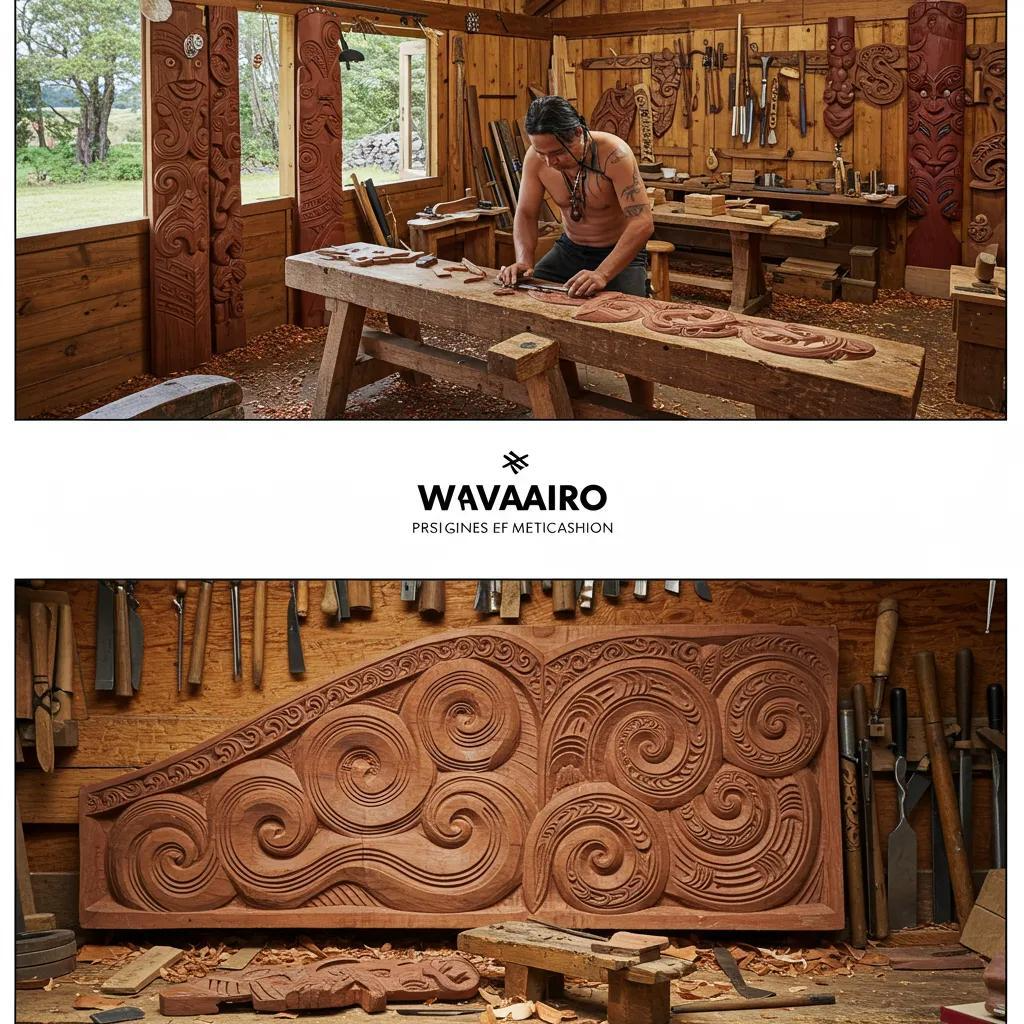
Māori art forms—including whakairo (carving), tā moko (tattooing), raranga (weaving), kapa haka (performing arts), and waiata (songs)—express whakapapa (genealogy) and mana (spiritual authority) through tactile, visual, and performative mediums. Each practice intricately links the practitioner, their community, and the whenua (land), fostering social cohesion and a strong sense of identity.
How Is Whakairo (Māori Carving) Practiced and Symbolized?
Whakairo transforms materials like wood, bone, and stone into representations of ancestors and architectural elements, with the koru (spiral) motif symbolizing new life and continuous growth. Carvers adhere to tikanga (customs) in selecting and preparing materials, imbuing each piece with layered genealogical meaning that anchors significant structures like meeting houses and waka (canoes) to tribal lineage.
What Is the Significance of Tā Moko (Traditional Māori Tattooing)?
Tā moko involves the intricate chiseling of skin to embed pigment, serving as a powerful visual language to convey social rank, whakapapa, and personal achievements.
PlacementMeaningCultural RoleFace (Moko kanohi)Lineage and rankPublic declaration of identity and statusChin (Kauwae)Female mana and expertiseIndication of ceremonial standing and life narrativeArms/LegsService and chosen vocationMarkers of communal responsibilities and roles
Facial moko, in particular, function as living cultural scripts, guiding respectful interactions and preserving genealogical records.
How Does Raranga (Māori Weaving) Reflect Cultural Identity?
Raranga utilizes harakeke (New Zealand flax) to create essential items such as kete (baskets), piupiu (ceremonial skirts), and kākahu (cloaks). The weaving patterns themselves encode tribal affiliations and valuable environmental knowledge—fine diagonal weaves often signify high status, while open plaiting allows for breathability, directly linking material properties to local ecosystems.
What Role Do Kapa Haka and Waiata Play in Māori Storytelling?
Kapa haka integrates rhythmic chanting, waiata (songs), poi dances, and haka challenges to powerfully retell tribal legends, celebrate significant milestones, and assert collective pride. As a vibrant, living oral archive, this performance art sustains language fluency and facilitates the intergenerational transmission of ancestral narratives.
MāoriStorytelling: Haka and Traditional Narratives… Māori storytelling is expressed through various forms including waiata (songs), waiata-ā-ringa (action songs), haka (postural dances), and pūrākau (tribal narratives) which contain …Stories of haka and women’s rugby in Aotearoa New Zealand: Weaving identities and ideologies together, FR Palmer, 2016
Who Are Influential Contemporary Māori Artists?
Shane Cotton masterfully reinterprets colonial imagery through a Māori cosmological lens, John Pule skillfully merges Niuean and Māori traditions in his multimedia works, and Nikau Hindin explores urban Māori identity through evocative sculpture and installation. Their artistic practices exemplify cultural renewal and achieve significant global resonance.
How Does Papua New Guinean Art Reflect Its Diverse Cultural Heritage?
Papua New Guinea is home to over 800 languages and countless tribal groups, each contributing unique wood carvings, masks, textiles, and bilas (traditional dress) to its incredibly vibrant cultural tapestry. Art plays crucial ritual, social, and spiritual roles, reinforcing kinship networks and deeply held cosmological worldviews. Discover the rich cultural heritage of Papua New Guinea.
What Are Sing-Sing Festivals and Their Cultural Importance?
Sing-sings bring together multiple clans for shared experiences of music, dance, elaborate costume, and face painting, creating vital forums for reconciliation, courtship, and trade.
- Performers adorn themselves in bilas meticulously crafted from feathers, shells, and fibers to clearly signal their tribal lineage.
- Harmonious vocal performances and driving rhythmic drumming synchronize community participation.
- Festival grounds transform into living anthologies showcasing the vast melodic and visual diversity of PNG.
These ceremonies are essential for revitalizing communal bonds and transmitting intangible heritage through collective performance.
Papua New Guinea’s Cultural Festivals and Sing-Sings… Papua New Guinea’s cultural festivals, including sing-sings performed during tourist visits. …Bilum, Bilas, Bilumwear: PNG Women Loop Stylish Dresses to Create New Identities, Unknown Author, 2019
How Are Traditional PNG Wood Carvings and Masks Created and Used?
Carvers carefully select regional timber species for their durability and symbolic significance, crafting ancestral figures that traditionally guard sacred spaces or mediate important rites of passage. Masks, often combining pigments, fibers, and other materials, are created to evoke spirits and feature prominently in initiation ceremonies and funerary rituals, where each design element carries profound mythic significance.
What Is the Role of Bilas (Traditional Dress) in Papua New Guinean Culture?
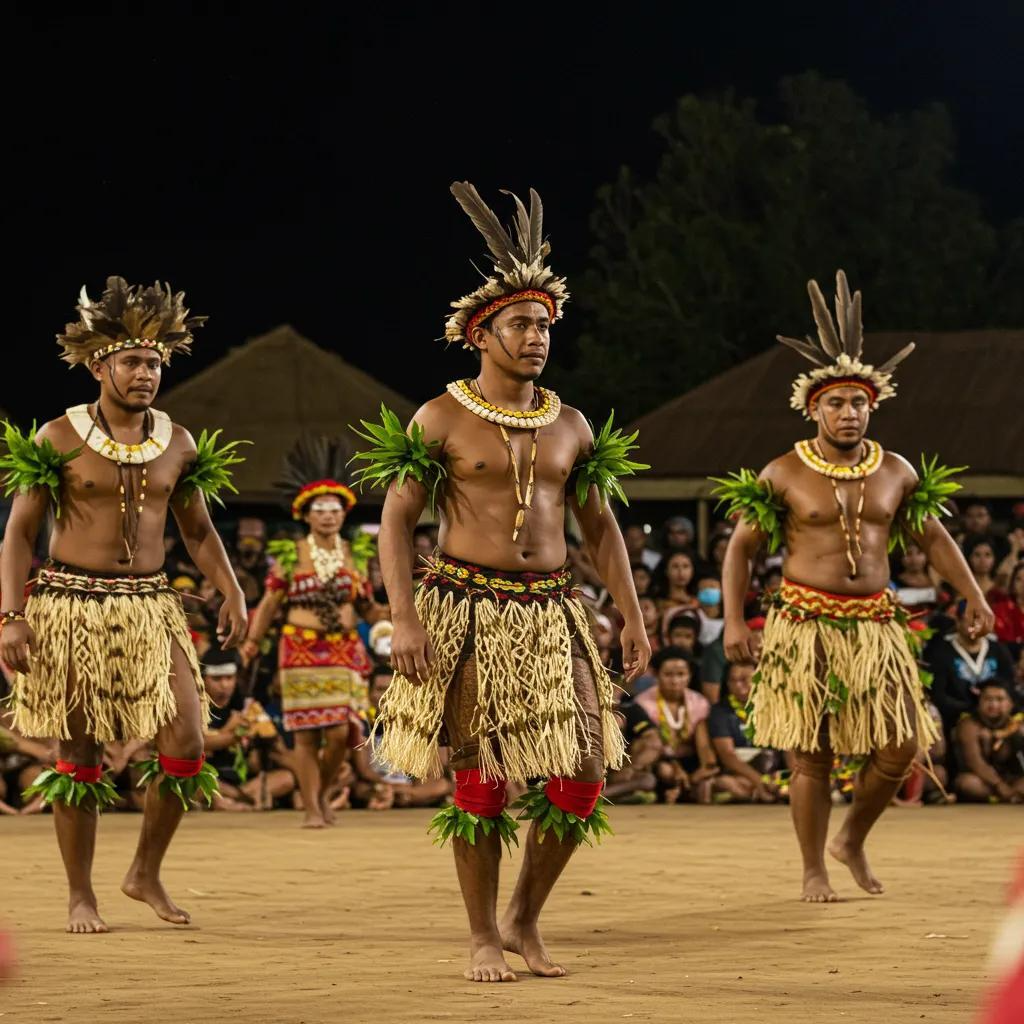
Bilas garments artfully integrate materials like pandanus leaves, animal skins, and vibrant natural dyes to express age, social status, and clan affiliation. Craftspeople harvest and prepare these materials according to specific seasonal cycles, creating dynamic attire used in dancing, gifting, and diplomatic exchanges that powerfully communicate identity without the need for words.
How Does the Wantok System Influence PNG Community Life and Art?
Wantok, a deeply ingrained kinship-based social framework, obliges individuals to share resources and cultural responsibilities with members of their language group. This collective ethos ensures collaborative approaches to art production—designs and performances often emerge from communal decision-making processes, reinforcing social cohesion through shared aesthetic labor.
What Unique Art Traditions Originate from the Sepik River Region?
Sepik carvers are renowned for producing intricate spirit masks and malagan carvings that animate ancestral narratives during significant mortuary ceremonies.
ArtifactCharacteristicRitual FunctionMalagan FigureIntricately carved human-animal hybrid formsHonors the departed and spiritually uplifts ancestral spiritsSpirit Mask (Kundu)Adorned with paint and natural fibersServes to channel ancestral voices and presenceFlute (Kundu Drum)Crafted from a hollowed gourd with a drum skinProvides rhythmic accompaniment for ceremonial dances
Sepik art masterfully weaves together myth and ecology into three-dimensional storytellers, sustaining vital ancestral links.
Who Are the Leading Contemporary Pacific Artists and How Do They Blend Tradition with Modernity?
Contemporary Pacific creatives are skillfully fusing ancestral motifs with diverse global mediums—including painting, digital art, fashion, and performance—effectively translating lineage into innovative expressions that challenge stereotypes and amplify Indigenous voices on international platforms.
Which Pacific Islander Painters Are Shaping Modern Art?
- Fatu Feu’u revitalizes Samoan tapa patterns through bold canvases that powerfully speak to diaspora identity.
- Latai Taumoepeau integrates Tongan weaving techniques into compelling performance art and textile installations.
- Elisapeta Hinemoa Heta reimagines Māori architectural forms through striking large-scale sculptures.
These painters infuse traditional iconography with contemporary commentary on culture, identity, and belonging.
How Do New Zealand Pacific Creatives Innovate Cultural Art Forms?
Multimedia artists are combining digital mapping of ancestral lands with augmented reality technologies, while designers are skillfully infusing Pacific textiles into high fashion. By merging mailetalaga (story cloth) with dynamic kinetic installations, they create immersive experiences that invite global audiences into Indigenous worldviews.
What Are Notable Australian Indigenous Contemporary Art Movements?
Western Desert art centres continue to expand through robust community-owned cooperatives, successfully bringing remote dot-painting collectives into prominent gallery circuits. Urban Aboriginal artists are incorporating elements of street art and multimedia sculpture to address critical social injustices and celebrate cultural resurgence, thereby reshaping perceptions of Indigenous Australian art within urban contexts.
How Are Emerging PNG Artists Contributing to Cultural Revival?
Young practitioners in Port Moresby are fusing printmaking and video art with traditional sing-sing choreography, forming dynamic cross-media collectives that actively document oral traditions. Community workshops in Goroka and Mount Hagen are nurturing emerging talent, ensuring that new voices contribute to sustaining and adapting ancient practices.
Where Can Audiences Experience Pacific Art Exhibitions and Galleries?
Major cultural institutions such as Te Papa Tongarewa and the National Gallery of Victoria regularly host rotating exhibitions of Pacific art, while digital platforms offer virtual tours of regional art centres. Pop-up galleries in Auckland and Sydney frequently spotlight emerging Pacific artists, facilitating vital cultural exchange without geographical limitations.
What Is the Role of Cultural Storytelling and Oral Traditions Across Oceania?
Oral traditions throughout Oceania serve to encode creation myths, intricate navigational lore, and essential moral teachings into performative and mnemonic art forms, ensuring the vital intergenerational transfer of knowledge and fostering community resilience.
How Do Polynesian Myths and Legends Shape Pacific Art?
Creation myths, such as Tāne’s epic ascent to gather light, inspire intricate carving reliefs and designs on tapa cloth that manifest cosmic order. Navigational legends detailing the journeys guided by specific stars animate canoe prows, merging practical seafaring knowledge with rich, symbolic narratives.
What Are the Key Oral Traditions in Māori and Aboriginal Cultures?
Māori elders recite powerful whakapapa chants that meticulously catalogue tribal genealogy, while Aboriginal custodians sing ngapartji ngapartji songlines across vast landscapes to mark sacred sites. These vocal traditions function as living maps and mnemonic devices, crucial for preserving language and ancestral law.
How Are Pacific Island Stories Preserved and Transmitted Today?
Community radio broadcasts, extensive digital archives, and school curricula now integrate filmed interviews with elders, while innovative smartphone apps are used to map songlines and legends. These modern preservation efforts are democratizing access and safeguarding invaluable intangible heritage against the challenges of language loss.
In What Ways Is Storytelling Expressed Through Dance and Music?
Poi ball routines, dynamic haka challenges, and rhythmically driven sing-sings translate narrative arcs into captivating body movements and powerful rhythms. Dance and song synchronize group memory, allowing communities to actively inhabit ancestral stories through collective performance that beautifully blends kinesthetic and auditory learning.
How Are Pacific Art and Culture Preserved and Promoted Through Festivals and Events?
Festivals and cultural showcases act as living museums, actively supporting economic empowerment and reinforcing cultural identity through direct, immersive participation.
What Is the Festival of Pacific Arts and Culture (FestPAC)?
FestPAC convenes artists, performers, and cultural leaders from across the vast expanse of Oceania every four years, showcasing a rich array of visual arts, music, dance, and culinary traditions. As the largest pan-Pacific gathering of its kind, it facilitates crucial cross-community dialogue and the transmission of endangered art forms.
How Do the Mount Hagen and Goroka Shows Celebrate PNG Traditions?
These annual Highland shows feature spectacular sing-sings, traditional sporting events, and elaborate bilas pageantry, drawing hundreds of tribes together for friendly competition. The economic benefits are substantial, including significant tourism revenue and artisan commissions, while the cultural exchange profoundly strengthens inter-tribal relationships.
How Do Cultural Events Support Indigenous Artists and Communities?
By providing essential exhibition stipends, workshop subsidies, and dedicated marketing platforms, festivals empower artists to generate income and gain vital professional exposure. Cultural tourism partnerships further promote sustainable livelihoods, clearly demonstrating how art fosters both crucial heritage preservation and robust economic resilience.
What Are the Emerging Trends and Global Impacts of Pacific Indigenous Art?
Pacific Indigenous art is currently experiencing significant digital acceleration, robust market growth, and powerful cultural revival movements that are actively reshaping global appreciation and enhancing community sustainability.
How Is the Indigenous Australian Art Market Evolving Internationally?
Auction houses and galleries are increasingly featuring Aboriginal dot paintings and bark works, achieving record sales at major international venues. Online marketplaces now showcase collections from remote cooperatives, enhancing equitable distribution of proceeds directly to artists and supporting community-led stewardship of cultural assets.
What Role Does Digital Technology Play in Pacific Art Promotion?
Virtual exhibitions, detailed 3D scans of intricate carvings, and accessible online storytelling platforms are expanding audience reach far beyond physical borders. Augmented-reality apps now allow users to explore detailed waka carvings and interactive songline maps, skillfully blending traditional knowledge with immersive digital interfaces.
How Are Cultural Preservation Initiatives Reviving Traditional Art Forms?
Grassroots programs in Arnhem Land and Rotorua are actively funding intergenerational workshops where elders impart invaluable knowledge of weaving, carving, and language. Collaborative projects with universities are meticulously documenting traditional techniques and creating open-access toolkits, ensuring these vital practices endure alongside contemporary innovation.
What Economic Impacts Do Contemporary Pacific Arts Have on Indigenous Communities?
Art sales, festival attendance, and the growth of creative tourism generate significant income, with art-generated revenue being reinvested into crucial areas such as education, healthcare, and cultural infrastructure. This economic empowerment reinforces community autonomy while simultaneously preserving fragile cultural ecosystems.
Pacific art and culture across Australia, New Zealand, and Papua New Guinea powerfully demonstrate how ancestral knowledge serves as a foundation for both enduring identity and dynamic innovation. From the profound narratives of Dreamtime paintings to the energetic expressions of haka performances, each tradition offers a living testament to human creativity, remarkable resilience, and deep communal wisdom. As global interest continues to grow, authentic stewardship and accessible digital platforms like Pasifikan.com will remain crucial in bridging communities and audiences, promoting equitable cultural exchange, and fostering economic opportunity. By engaging with and understanding these interconnected art forms, readers can actively support Indigenous voices and contribute to the vibrant, ongoing future of Pacific cultural heritage.