Drywall Repair and Maintenance Tips for Chandler Residents
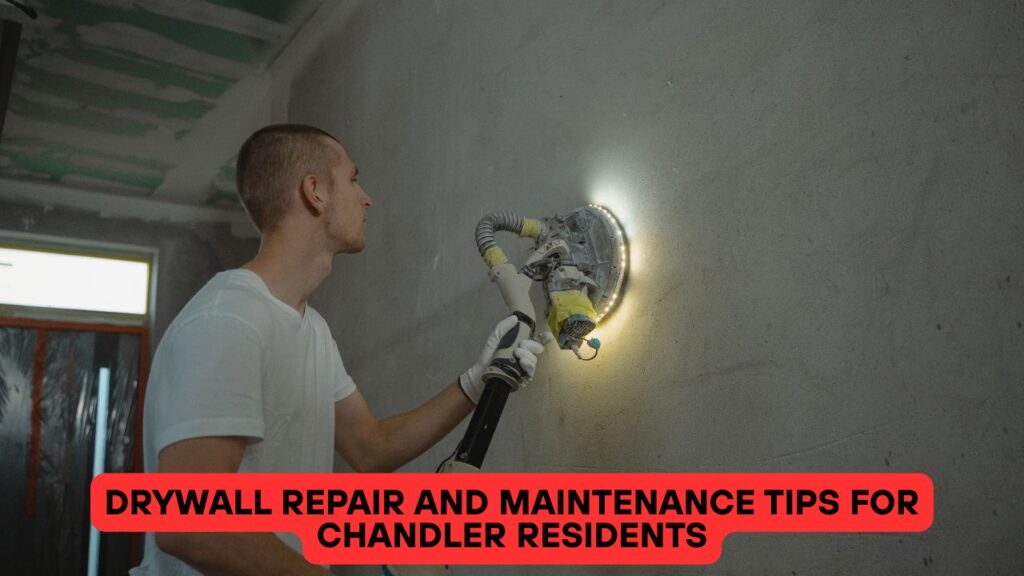
In Chandler, Arizona, the sun isn’t just hard on your skin—it’s tough on your home, too. With the dry desert air, rapid temperature swings, and seasonal monsoons, maintaining your drywall isn’t just about aesthetics. It’s about keeping your home structurally sound, energy efficient, and free from creeping damage that can spiral into expensive repairs.
While drywall may seem like a “set it and forget it” part of your home, it’s actually one of the most vulnerable—and most fixable—elements. Most homeowners only notice it when there’s a glaring hole or a suspicious crack. But what if we thought of drywall more like we do car maintenance? Something small today could save you a lot tomorrow.
Here’s a Chandler-specific take on drywall repair and maintenance—one that helps you work with the climate, not against it.
Why Chandler’s Climate Is Hard on Drywall
Drywall isn’t designed to flex much. But in the Chandler area, dramatic shifts between day and night temperatures cause the materials in your home to expand and contract. That subtle shifting can create stress fractures in your walls over time.
Add to that our monsoon season—where a sudden spike in humidity hits hard—and you’ve got a recipe for hidden moisture damage, especially in older homes or ones with roof or window leaks.
Dust is another enemy. It might seem harmless, but fine desert dust works its way into seams and cracks, eventually eroding the integrity of drywall joints and creating a gritty mess that makes repairs harder.
Quick Visual Checks: Know the Warning Signs
Not every drywall issue needs a pro. But spotting problems early is key. Once a month, take a five-minute walk through your home and look for:
- Hairline cracks along windows, doors, or ceilings
- Bubbling or peeling paint, especially after rain
- Discoloration or water stains
- Soft spots you can press in with a finger
- Screw pops—those small round bumps where screws push through the drywall
Even subtle signs like these can indicate an underlying issue worth investigating.
The “Quarter Rule” for DIY Repairs
Here’s a simple trick: if the hole or crack is smaller than a quarter, you can probably fix it yourself. All you need is:
- Lightweight spackle or joint compound
- A putty knife
- Sandpaper
- Matching paint
For tiny nail holes, dab in a small amount of spackle, scrape it flush, and let it dry. Sand lightly, then paint over. Done in under ten minutes.
For larger patches (think doorknob dents or moving-day mishaps), you’ll need a drywall patch kit. These come with mesh patches and compound—great for keeping things level and strong.
Remember to keep your layers thin. The biggest mistake in DIY drywall repair is over-applying compound, which creates a bumpy, obvious patch.
When to Call a Pro
If the damage is bigger than your hand, recurring in the same spot, or shows signs of moisture, it’s time to bring in help.
For drywall repair in Chandler, local pros are used to working with the quirks of desert-built homes. They’ll know how to check for foundational movement, roof leaks, or HVAC-related moisture—issues you might miss.
And when done right, you’ll never notice a patch was even there.
The Maintenance You’re Probably Not Doing (But Should Be)
Preventing damage is a lot easier than fixing it. Here are four things most homeowners skip—but shouldn’t:
1. Seal the Envelope
Make sure your home is properly sealed. Check for drafts around windows and doors, which can lead to temperature swings inside that affect drywall stability. Weather stripping and caulk can go a long way here.
2. Use Exhaust Fans Religiously
In bathrooms and kitchens, always run the fan. Moisture is drywall’s worst enemy. Left unvented, it seeps in and causes mold behind the scenes.
3. Avoid Hanging Heavy Items Without Anchors
Every picture frame you hang should use the right type of anchor. Screws into drywall alone will pull out over time, leaving damage behind. Toggle bolts or wall plugs make a big difference.
4. Clean Your Walls Occasionally
No, seriously—dust and residue can build up, especially in corners and seams. Use a dry microfiber cloth or lightly damp sponge to wipe down walls every few months. This helps you spot issues early and keeps finishes looking fresh.
The Chandler Homeowner’s Seasonal Checklist
Here’s how to stay on top of things, season by season:
Spring:
- Look for cracking caused by winter cold snaps.
- Patch minor damage before the summer heat expands the issue.
Summer:
- Use blackout curtains to reduce interior temperature swings.
- Check for new stress cracks, especially near ceilings.
Fall:
- Watch for water stains from late monsoon storms.
- Repaint high-traffic areas if needed—paint helps seal small imperfections.
Winter:
- Monitor for signs of shrinkage from drier indoor air.
- Add a humidifier if drywall seems overly brittle or cracking.
Final Word
Drywall isn’t glamorous, but it’s a silent workhorse in your home’s comfort and appearance. With a few smart habits and some seasonal attention, you can avoid major problems—and keep your walls looking crisp and clean.
Whether you’re patching a nail hole or dealing with deeper damage, paying attention to your drywall is a surprisingly powerful way to protect your investment. And if things get out of hand, professionals who specialize in drywall repair in Chandler can step in to restore your home without skipping a beat.
Your walls are talking. The real question is—are you listening?