How to Prepare Your Business for an Electrical Safety Audit
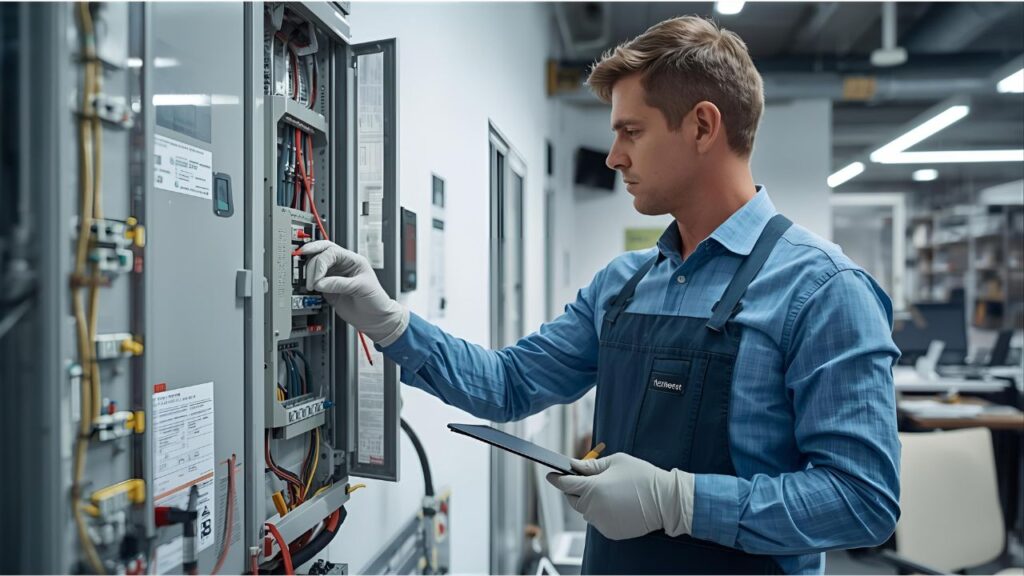
Electrical safety audits might seem daunting, but they’re essential for protecting your business, employees, and customers. These comprehensive inspections help identify potential hazards before they become costly problems or safety risks. Whether you’re preparing for a scheduled audit or want to stay ahead of compliance requirements, proper preparation makes all the difference.
Understanding what’s involved and taking proactive steps can transform a stressful process into a smooth experience that demonstrates your commitment to workplace safety.
Understanding Electrical Safety Standards
Electrical safety standards exist to protect lives and property. In Australia, these standards are governed by AS/NZS 3000 (the Wiring Rules) and various state-specific regulations. These guidelines cover everything from installation requirements to maintenance protocols.
Your business must comply with these standards regardless of size or industry. Non-compliance can result in hefty fines, insurance issues, or worse—accidents that could have been prevented. Regular audits ensure your electrical systems meet current safety requirements and operate efficiently.
Preparing for Your Audit: A Step-by-Step Guide
Start your preparation at least two weeks before the scheduled audit. Begin by gathering all electrical documentation, including installation certificates, previous inspection reports, and maintenance records. Auditors need to see a complete picture of your electrical history.
Create a comprehensive inventory of all electrical equipment, from major machinery to simple power outlets. Document when each item was installed, last serviced, and any known issues. This preparation shows auditors you take electrical safety seriously.
Schedule any necessary repairs or maintenance before the audit date. It’s better to address problems proactively than explain why they haven’t been fixed. Consider having an electrician in Adelaide from iElectrical conduct a pre-audit inspection to identify potential issues.
Walk through your premises with fresh eyes, looking for obvious hazards like damaged cords, overloaded circuits, or improperly stored electrical equipment. These quick fixes can prevent major audit findings.
Common Electrical Hazards to Address
Overloaded circuits top the list of common electrical hazards. Many businesses gradually add more equipment without considering electrical capacity. Check that circuits aren’t exceeding their design limits and that appropriate protection devices are in place.
Damaged or deteriorating wiring presents serious risks. Look for signs like scorch marks, burning smells, or frequently tripping breakers. These symptoms indicate underlying problems that need immediate attention from qualified professionals.
Poor earthing and inadequate surge protection can lead to equipment damage and safety hazards. Ensure all electrical systems have proper earthing connections and that surge protection devices are installed and functioning correctly.
Extension cords used as permanent solutions create safety risks. Auditors often flag temporary wiring arrangements that have become permanent fixtures. Replace these with proper electrical installations.
The Role of a Certified Electrician from iElectrical
Professional electricians bring expertise that internal teams often lack. iElectrical provides certified electricians who understand local regulations and industry best practices. Their experience helps identify issues you might miss during internal inspections.
A qualified electrician in Adelaide can perform comprehensive testing using specialized equipment. This includes insulation resistance testing, earth continuity checks, and RCD testing—all critical components of electrical safety compliance.
iElectrical offers pre-audit services that can save time and stress. Their electricians can identify and fix problems before official audits, reducing the likelihood of non-compliance findings. This proactive approach often costs less than addressing issues after they’re flagged by auditors.
Regular maintenance programs through iElectrical keep your electrical systems in optimal condition year-round. This ongoing relationship means they understand your specific setup and can provide targeted recommendations for improvement.
Conclusion
Preparing for an electrical safety audit requires systematic planning and professional expertise. By understanding safety standards, addressing common hazards, and working with qualified professionals like those at iElectrical, you can ensure your business meets all compliance requirements.
Remember that electrical safety is an ongoing responsibility, not a one-time task. Regular maintenance, proper documentation, and professional inspections create a culture of safety that protects everyone in your workplace. Take action today to schedule your pre-audit consultation and experience the peace of mind that comes with proper electrical safety management.