How Family Dentistry Bridges the Gap Between Pediatric and Senior Care
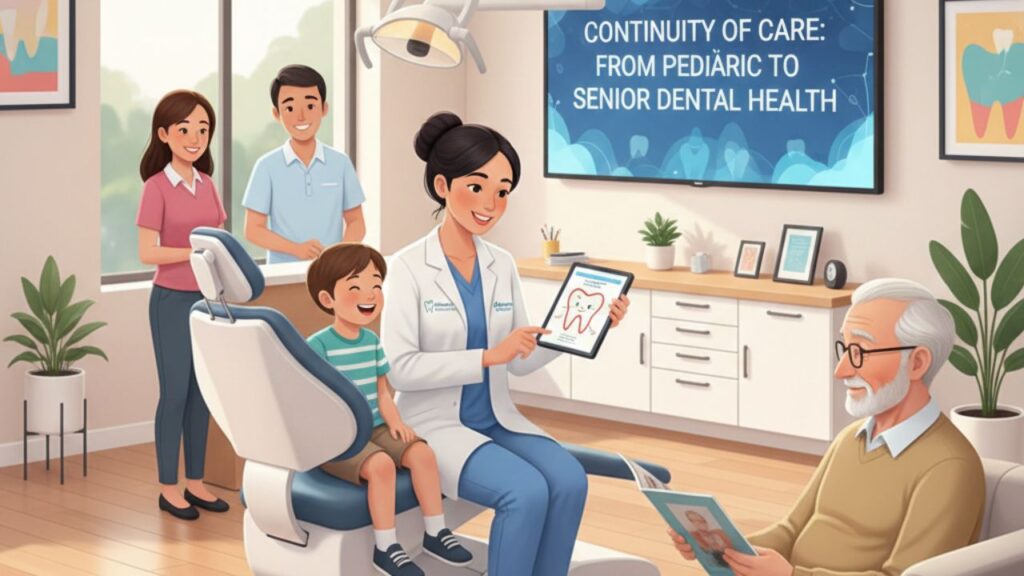
Managing dental care for an entire household can feel complicated—especially when every age group has different needs. Family dentistry solves this by offering complete care under one roof, helping children, adults, and seniors stay healthy without constantly switching providers.
From baby teeth and school-age check-ups to adult maintenance and senior tooth replacement options, family dentistry creates a smooth transition through every stage of life. It’s a practical, comforting model built around consistency, trust, and long-term oral health.
For example, treatments like Invisalign in Marysville are often chosen by teens and adults who want a discreet way to straighten teeth while staying within the same trusted dental clinic.
What Family Dentistry Really Means
Family dentistry focuses on providing dental care for patients of all ages. Instead of visiting one dentist for kids and another clinic for adults or seniors, a family practice can support everyone in the household.
This creates:
- a familiar environment for every visit
- a single dental team that understands your family’s history
- consistent care plans that evolve with age
- less stress and fewer appointments across multiple providers
That continuity makes dental care simpler and more effective over time.
Benefits for Children
When kids grow up seeing the same dentist, their comfort level improves—and so do their habits. Family dentists monitor growth, help prevent decay early, and build routines that support healthy development.
Family dentistry helps children through:
- Early detection of issues like cavities or alignment concerns
- Preventive care such as cleanings, fluoride, and education
- Better confidence because the setting feels familiar and safe
These early positive experiences can reduce dental anxiety and make children more likely to stay consistent with dental care as they grow.
Support for Adults and Seniors
As needs change, family dentistry adapts. Adults often focus on prevention, cosmetic improvement, and long-term maintenance. Seniors may need more specialized support for gum health, wear, or tooth loss.
Family dentistry supports adults and seniors by offering:
- routine exams and cleanings to prevent bigger problems
- restorative care such as fillings, crowns, or bridges
- management of gum disease and age-related changes
- tooth replacement options like dentures or implants
Because the same dentist has followed your oral history over time, they can make more informed decisions and recommend care that matches your long-term goals.
The Integrated Approach Makes Transitions Easier
One of the biggest strengths of family dentistry is what happens in between life stages. Kids become teens. Teens become adults. Adults become seniors. Instead of changing clinics every time needs shift, your care continues smoothly.
That means:
- fewer gaps in records
- better understanding of inherited dental patterns
- clearer long-term planning
- easier scheduling for families
This “whole-life” model is especially helpful when multiple family members need different treatments—because everything stays coordinated.
Pediatric vs. Senior Care: A Quick Comparison
| Aspect | Pediatric Care | Senior Care |
| Primary focus | Prevention + growth monitoring | Maintenance + managing tooth loss |
| Common treatments | Fluoride, sealants, early orthodontic guidance | Crowns, dentures, implants, gum care |
| Common challenges | Dental fear, habits like thumb sucking | Dry mouth, gum disease, wear, missing teeth |
Family dentistry connects these stages by offering both types of care in one consistent system.
Why Routine Visits Matter at Every Age
Regular check-ups are the foundation of lifelong dental health. They allow the dentist to detect small problems early—before they become painful or costly.
Routine visits help:
- prevent decay and gum disease
- catch alignment or bite issues sooner
- keep restorations and appliances working properly
- protect overall health, especially in older adults
When a whole family stays consistent, oral health becomes part of the household routine—not something only addressed in emergencies.
Conclusion
Family dentistry bridges the gap between pediatric and senior care by making dental health continuous, convenient, and personalized for every age. Instead of bouncing between specialists, families get stable, long-term care that evolves over time—supporting prevention in childhood, maintenance in adulthood, and longevity in later years.
If you want a smoother, less stressful way to manage your family’s oral health, a unified care model—plus services like Invisalign in Marysville—can help keep every smile healthy for life.