Comparing the Great Ocean Road with Other Coastal Drives
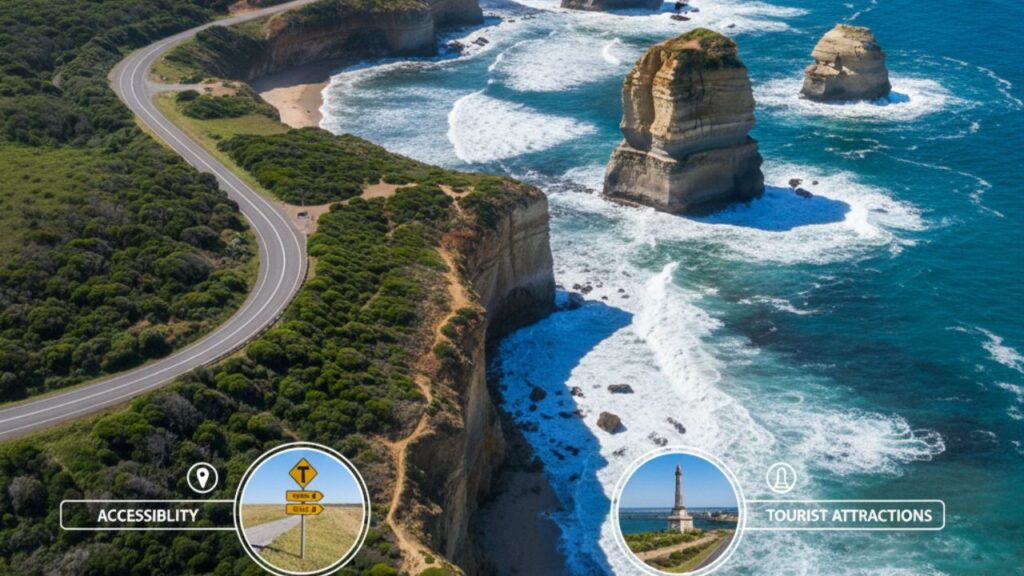
Australia has no shortage of stunning coastline. From the rugged cliffs of Western Australia to the sun-soaked shores of Queensland, the country is practically built for road trips. But few routes capture the imagination quite like a Great Ocean Road Tour. Stretching 243 kilometers along Victoria’s southern coast, it’s consistently ranked among the world’s great drives—and for good reason.
What Makes Great Ocean Road & Beyond Stand Out
Many coastal drives offer ocean views. What separates Great Ocean Road & Beyond is the sheer variety packed into a single route.
California’s Pacific Coast Highway delivers stunning clifftop scenery, but it’s largely one-note. Norway’s Atlantic Road is dramatic, yet cold and remote. New Zealand’s Coastal Pacific route is beautiful, but geographically limited. The Great Ocean Road, by contrast, layers ancient rock formations, old-growth rainforest, charming seaside towns, and abundant wildlife into one seamless journey.
It’s also steeped in history. Built by returned soldiers after World War I between 1919 and 1932, the road itself is a living memorial—the world’s largest war memorial, in fact.
The Scenic Highlights: Twelve Apostles and Beyond
No comparison of coastal drives is complete without addressing the Twelve Apostles. These limestone stacks rising from the Southern Ocean are genuinely breathtaking, especially at sunrise or sunset when the light turns the rock faces golden. They’ve become the defining image of the Great Ocean Road Tour, and rightfully so.
But the scenery doesn’t begin and end there. Loch Ard Gorge tells the tragic story of a shipwreck survivor with dramatic cliff walls that frame a sheltered beach below. The Bay of Islands and Bay of Martyrs offer quieter, equally striking formations that most visitors rush past. Slow down, and the rewards are significant.
Wildlife and Rainforest: The Unexpected Surprises
Here’s where the Great Ocean Road & Beyond experience genuinely separates itself from coastal drives elsewhere. Tucked behind the coastline lies the Otway Ranges—a pocket of temperate rainforest that feels like stepping into another world entirely.
Towering mountain ash trees, cascading waterfalls, and fern-filled gullies make for a striking contrast against the ocean cliffs you’ve just left behind. The Otways are also one of the most reliable places in Australia to spot koalas in the wild, often perched in eucalyptus trees just off the roadside.
Kangaroos, echidnas, and countless bird species round out the wildlife experience. No other comparable coastal drive in the world offers this kind of ecological diversity within such a compact stretch of road.
Practical Travel Tips for the Route
Getting the most from a Great Ocean Road Tour requires a little planning:
- Direction matters: Driving west from Melbourne means you hit the most dramatic sections—the Twelve Apostles, Loch Ard Gorge, and the Otways—later in the day, with better afternoon light for photography.
- Allow at least two days: A single-day rush is possible but leaves too much unseen. Two to three days lets you explore properly.
- Book accommodation early: Towns like Lorne and Apollo Bay fill up quickly during school holidays and long weekends.
- Fuel up when you can: Petrol stations become sparse once you pass Apollo Bay heading west.
Best Time to Visit and Hidden Gems
The shoulder seasons—March through May and September through November—offer mild weather, smaller crowds, and genuinely beautiful light. Summer (December to February) is peak season; expect traffic around the Twelve Apostles car park.
For hidden gems, Cape Otway Lightstation is worth the detour. Built in 1848, it’s mainland Australia’s oldest surviving lighthouse, and the surrounding walk offers spectacular ocean views without the crowds. The small town of Port Fairy, near the western end of the route, is another underrated stop—a historic fishing village with a remarkably well-preserved colonial streetscape.
Conclusion
Australia has world-class coastal drives. The Great Ocean Road & Beyond simply has more of everything—more drama, more history, more ecological variety, and more unexpected moments that stay with you long after the trip ends.
Whether you’re a first-time visitor or returning for another look, this route rewards the effort. Plan carefully, drive slowly, and take the detours. The Great Ocean Road has a habit of exceeding expectations at every turn.