How Seniors Can Stay Independent and Still Feel Secure
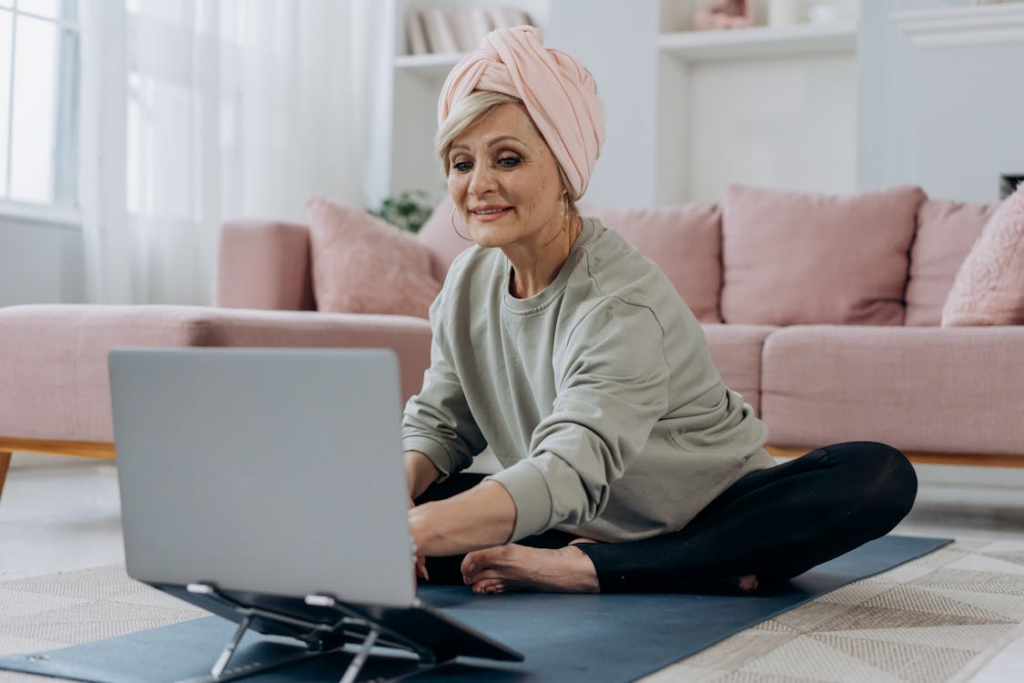
Getting older doesn’t mean giving up freedom. Most seniors don’t want to spend all day indoors, and they definitely don’t want life to feel like a constant “procedure.” They still want to do normal, enjoyable things—grab a coffee, visit friends, browse a farmers market, or handle errands without needing a full plan and assistance for every step.
But it’s also true that fear can creep in over time:
- What if I fall?
- What if something happens and no one knows?
- What if I’m alone when I need help?
Those thoughts can shrink someone’s world fast. The goal isn’t to eliminate independence—it’s to protect it. The right habits and tools can help seniors stay active, confident, and secure, without feeling controlled.
Confidence Keeps Life Moving
Confidence is one of the biggest drivers of independence. When a person feels safe leaving the house, they’re far more likely to keep doing the things that bring joy and purpose—like walking daily, shopping independently, going out for lunch, or even stepping outside to water plants.
But confidence isn’t only about “staying active.” It often comes from simple improvements that reduce risk and make life feel easier.
For example:
- using mobility support when needed (like a cane or walker)
- updating vision care (new glasses can make a surprising difference)
- choosing shoes with better grip and support
- improving safety at home so everyday movement feels less risky
For many seniors, extra reassurance also comes from having a backup plan in place. Something like a senior’s life alert can ease that “what if” worry—especially for people who live alone or spend time by themselves at home.
Comfort Makes Independence Easier
Comfort and independence are closely linked. If moving around hurts, if your home feels tiring to navigate, or if daily tasks feel physically draining, it becomes harder to stay motivated and confident.
A few comfort upgrades can make a big difference without major renovations:
- better lighting (especially in hallways and bathrooms)
- reducing clutter and trip hazards
- adding supportive cushions to chairs
- adjusting furniture layout for easier walking space
- upgrading a mattress for improved sleep and recovery
Clothing and footwear matter too. Many people don’t realize that feet can flatten and widen with age, which makes regular shoes less supportive over time. Choosing senior-specific shoes, designed for stability and comfort, can reduce slipping risk and make walking feel more secure—especially outdoors or on uneven surfaces.
Small Safety Changes Protect Big Freedom
The best way to stay independent isn’t to avoid life—it’s to make life safer so it stays enjoyable.
A few examples:
- add non-slip mats where needed
- use handrails in bathrooms or stair areas
- keep frequently used items within easy reach
- avoid rushing—especially when answering the door or phone
- stay hydrated and eat well (fatigue can increase fall risk)
These small decisions add up. They protect energy, reduce accidents, and keep day-to-day life feeling manageable.
Freedom Isn’t Only for the Young
The truth is, life can become even richer in your later years. This stage is still meant for enjoyment—exploring hobbies, visiting people you love, being spontaneous when you feel like it, and doing the things you worked hard for over the decades.
Independence shouldn’t feel dangerous. With the right support—comfort, safer routines, and tools like senior’s life alert and senior-specific shoes,—seniors can keep doing what matters most: living life on their own terms.