How to Create a Sustainable Home: Tips for Eco-Conscious Living

In recent years, Australians have been waking up to the importance of sustainability—not just in politics and industry, but right at home. From bushfire seasons to rising energy costs, many of us are starting to ask a simple question: “How can I make a difference, right here in my own house?”
Turns out, quite a lot.
Sustainable living doesn’t mean living off-grid or buying fancy gadgets. It’s about making mindful decisions—day by day, room by room—that reduce your environmental footprint while often saving you money in the process. And the best bit? You don’t need to change everything at once.
Whether you’re in a studio flat in Fremantle or a four-bedroom home in the ‘burbs, this guide will walk you through practical, down-to-earth steps for creating a more eco-conscious household.
Start with Small Shifts: Daily Habits That Add Up
Sustainability starts with the little things. These may seem simple at first glance, but collectively, they can have a significant impact.
- Switch it off: The old adage still rings true. Turn off lights, appliances, and chargers when not in use. Even that little red standby light uses power.
- Go reusable: Say goodbye to cling wrap, plastic bags, and single-use coffee cups. Invest in beeswax wraps, canvas bags, and a sturdy keep cup.
- Shorter showers: Cutting your shower time by just 2 minutes can save up to 150 litres per week per person.
- Buy bulk: Reduce packaging waste and save money by buying pantry staples in bulk.
These actions might not feel revolutionary, but think of them as your sustainability warm-up. They build the habits that will support bigger changes later on.
Energy Efficiency in Every Room
When it comes to energy use, Australian homes can do a lot better. But the good news? Improvements don’t need to cost a fortune.
In the kitchen, opt for energy-efficient appliances. Look for high star ratings and use dishwashers and washing machines only when full.
In the living room, switch to LED bulbs—they last longer and use a fraction of the power. Smart plugs and timers can also help cut down on passive energy drain.
In the bedroom, thermal curtains and ceiling fans can reduce reliance on air con in both summer and winter. Insulating your home properly means it’ll stay cooler in January and warmer in July, all without touching the thermostat.
Consider installing a smart thermostat or energy monitor. These tools give you insights into your energy usage so you can make smarter decisions.
Greening Your Garden and Outdoor Spaces
Australia’s backyard culture is iconic. So why not make it sustainable too?
Start with native plants. They require less water, are more resistant to local pests, and support native wildlife. Swap thirsty lawns for drought-tolerant ground covers, and mulch well to retain soil moisture.
Composting is another must. Whether it’s a traditional compost bin, a Bokashi bucket, or a worm farm, turning food scraps into soil keeps waste out of landfill and boosts your garden beds.
Rainwater tanks—even small ones—can help keep your plants hydrated during dry spells without draining the mains. And when it comes to outdoor furniture, consider second-hand finds or pieces made from recycled materials.
Sustainable Renovation: Building with the Future in Mind
Planning a reno? Brilliant. This is your chance to future-proof your home and make sustainable choices from the ground up.
Choose low-impact materials like recycled timber, bamboo, reclaimed bricks, or concrete with reduced carbon content. Prioritise local suppliers to cut down on transport emissions.
When it comes to paints, finishes, and sealants, opt for low-VOC (volatile organic compound) products that are better for indoor air quality.
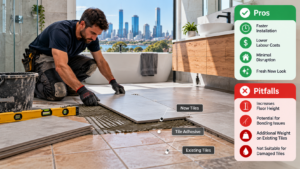
And let’s not forget the clean-up. Renovations create a heap of debris, from old plasterboard to flooring offcuts. Instead of multiple trips to the tip, consider hiring a skip bin to manage the waste responsibly—and economically. For those in WA, looking into thecheapest skip bins Perth offers can keep your project budget in check while making sure materials are disposed of properly.
Rethink Consumption: Buy Less, Choose Better
A major part of living sustainably is simply consuming less.
Before buying something new, ask yourself: Do I really need this? Could I borrow, rent, or buy second-hand instead?
When you do buy, aim for quality. A well-made dining chair might cost more upfront than a flat-pack special, but it’ll last longer and probably avoid landfill altogether.
Support local and ethical brands where you can. Look for companies using recycled materials, sustainable packaging, and transparent labour practices.
And don’t forget the repair economy—shoe menders, appliance fixers, and even mending cafes are popping up in cities and towns across Australia. A stitch in time really does save nine.
Reduce Waste: What Goes In, Must Go Somewhere
Every Aussie household produces waste—but what happens to it is often an afterthought. Here are a few ways to change that:
- Recycling right: Make sure you know what your council accepts, and clean items before tossing them in the yellow bin.
- Food waste: Meal planning can dramatically reduce what gets thrown out. Love your leftovers, freeze extras, and compost scraps.
- E-waste: Old electronics shouldn’t go in the bin. Drop them off at local collection points or donate them if still usable.
- Soft plastics: While RedCycle is on pause, some stores still offer return stations for bags, wraps, and snack wrappers.
Ultimately, the best waste is the waste we never create. Choose reusable wherever possible, and aim to buy products with minimal packaging.
Conclusion: Living Lighter, One Choice at a Time
Creating a sustainable home doesn’t require a radical lifestyle shift—it’s about progress, not perfection. Each choice you make, from what you buy to how you manage waste, can contribute to a greener future for your family and your community.
Start with the habits that feel easiest, then build up over time. Before long, living sustainably won’t feel like a checklist—it’ll just be how you do things. After all, sustainability isn’t just about saving the planet—it’s about creating homes that are healthier, more efficient, and more connected to the world around them.
And that’s something worth working toward.