How to Tell When It’s Time to Replace Your Water Heater
Introduction: The Importance of a Reliable Water Heater
Your water heater is one of the most crucial appliances in your home, providing the comfort of hot showers, clean dishes, and efficient laundry cycles. Yet, most homeowners don’t think about it until something goes wrong. If you’re experiencing inconsistent water temperatures, leaks, or strange noises, it might be time to consider a replacement. For residents looking for Charlotte NC water heater repair, knowing the signs of a failing unit can save both money and frustration.
This article will help you recognize when it’s time to replace your water heater, what factors to consider before doing so, and why timely action matters.
1. The Age of Your Water Heater
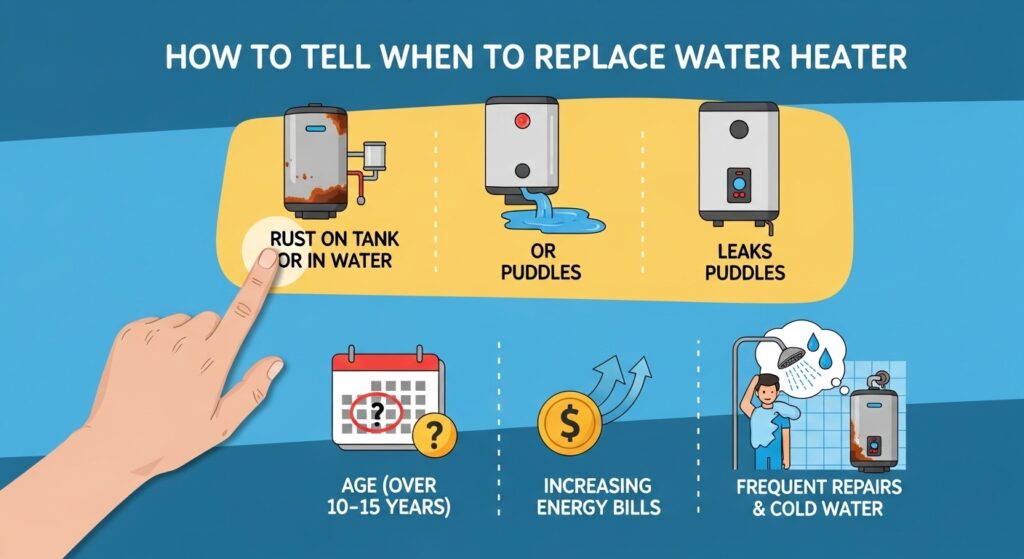
One of the most telling signs it’s time to replace your water heater is its age.
- Traditional tank water heaters usually last between 8 to 12 years.
- Tankless models, on the other hand, can operate efficiently for 15 to 20 years with proper maintenance.
If your water heater is approaching or past these milestones, it’s wise to start planning for a replacement rather than waiting for a complete breakdown.
Tip: You can check the manufacture date on your water heater’s label. If it’s over a decade old, it’s likely nearing the end of its lifespan.
2. Rusty or Discolored Water
Rusty or brownish water coming from your hot water taps can indicate corrosion inside the tank. Over time, minerals and rust build up, eating away at the internal lining.
- If the rust is coming from both hot and cold taps, it could be due to corroded pipes.
- If it’s only from the hot water side, the tank itself is likely the problem.
Rust inside your tank means it’s only a matter of time before leaks develop. At that stage, repairing your water heater in Charlotte NC might be a temporary fix, but replacement is usually the smarter choice.
3. Leaking Around the Base
Any visible water pooling around the base of your heater is a major red flag. Leaks often result from internal tank cracks or corrosion, and these issues cannot be permanently repaired.
Even small leaks can lead to:
- Mold growth and water damage
- Increased energy bills
- Complete system failure
Before replacing the unit, check that the leak isn’t coming from fittings or connections. If it’s confirmed to be from the tank, it’s definitely time for a new water heater installation.
4. Inconsistent Water Temperature
If your hot water runs out faster than usual or fluctuates between hot and cold, your system may be struggling to maintain consistent heating. Common causes include:
- Sediment buildup at the bottom of the tank
- Failing heating elements
- A thermostat malfunction
In Charlotte, NC, where hard water can contribute to sediment issues, this problem is especially common. Regular maintenance helps, but if the issue persists, repair services may only offer temporary relief. Replacement ensures reliable, energy-efficient performance.
5. Unusual Noises or Rumbling Sounds
Do you hear popping, banging, or rumbling sounds coming from your water heater? That’s often due to sediment accumulation. Over time, minerals in the water settle at the bottom, hardening and creating noise as water heats and bubbles through the layer.
This not only makes the heater less efficient but also causes internal stress, leading to cracks and leaks. If flushing the tank doesn’t eliminate the noise, it’s a sign that the heater is nearing the end of its life.
6. Decreased Efficiency and Higher Energy Bills
If your utility bills are rising without any change in your hot water habits, your water heater might be losing efficiency. As components age or sediment builds up, the system works harder to maintain temperature—using more energy in the process.
Replacing your old unit with a newer, energy-efficient water heater can save you significantly on monthly bills and provide better temperature consistency.
7. Frequent Repairs
If you’ve needed multiple repairs within a year, it’s probably more cost-effective to replace your water heater entirely. Constant breakdowns not only add up in cost but also create inconvenience and stress.
A good rule of thumb:
If repair costs exceed 50% of the price of a new unit, replacement is the better option.
For homeowners needing water heater repair in Charlotte NC, consulting a licensed technician can help determine whether your system is still worth repairing or if a replacement would be a smarter investment.
8. Water Takes Too Long to Heat
Slow heating can indicate that the heating element or burner is wearing out. Sometimes, these parts can be replaced, but if your unit is older, these issues may be symptoms of a larger problem.
Modern models heat water faster, use less energy, and offer improved temperature control—making replacement a logical upgrade for older systems.
9. Visible Corrosion or Rust on the Tank Exterior
Physical corrosion is a sure sign of a deteriorating water heater. While some surface rust might appear minor, it often points to more extensive internal corrosion that can lead to leaks and failure.
If you notice visible rust on your tank or around fittings and valves, don’t delay inspection—it’s often one of the final warning signs before a major leak occurs.
10. You’re Planning a Home Upgrade
If you’re remodeling your bathroom or upgrading your plumbing system, it’s an ideal time to replace an outdated water heater. Upgrading to a modern tankless or hybrid model improves home efficiency and can even increase property value.
Plus, newer systems come with advanced safety features, better temperature control, and warranties that make long-term ownership easier.
When to Call a Professional
While some signs are obvious, others require a professional inspection to confirm. For instance:
- Water pressure issues may stem from plumbing, not the heater.
- A faulty thermostat may mimic a heating problem.
Hiring a certified water heater repair specialist in Charlotte NC ensures accurate diagnosis and reliable solutions. A trained technician can help you decide whether maintenance, repair, or full replacement is the best path forward.
Choosing Between Repair and Replacement
Before making your decision, consider these key factors:
| Factor | When to Repair | When to Replace |
| Age | Less than 8 years old | Over 10 years old |
| Performance | Minor issues or inconsistent heat | Frequent issues or no hot water |
| Efficiency | Energy bills stable | Energy bills increasing |
| Cost | Minor fix under 50% of new unit | Major repair over 50% of new cost |
If multiple symptoms align with the replacement side of this chart, investing in a new water heater is likely the most cost-effective and reliable solution.
Conclusion: Don’t Wait Until It Fails
Your water heater works quietly behind the scenes, but when it starts showing signs of wear—age, rust, leaks, or inefficiency—it’s crucial to act fast. Waiting until it breaks down completely can lead to water damage, energy waste, and expensive emergency calls.
For homeowners seeking Charlotte NC water heater repair, routine maintenance and early replacement can prevent costly surprises. Consult a licensed technician to inspect your system, discuss your options, and ensure your home stays comfortable year-round with reliable hot water.
FAQs
1. How long do water heaters typically last in Charlotte, NC?
Most traditional water heaters last 8–12 years, while tankless systems can last 15–20 years with proper maintenance.
2. Can a leaking water heater be repaired?
Minor leaks from fittings can sometimes be repaired, but if the tank itself is leaking, replacement is usually necessary.
3. What’s the best type of water heater to install?
It depends on your household size, energy source, and budget. Tankless systems are energy-efficient, while traditional tanks are more affordable upfront.
4. Why does my hot water run out so quickly?
Sediment buildup or failing heating elements can reduce your tank’s effective capacity, leading to less available hot water.
5. Should I replace my water heater before it fails completely?
Yes—proactively replacing it prevents water damage and ensures uninterrupted hot water supply.