Legal Requirements for Renting Out Vacation Homes
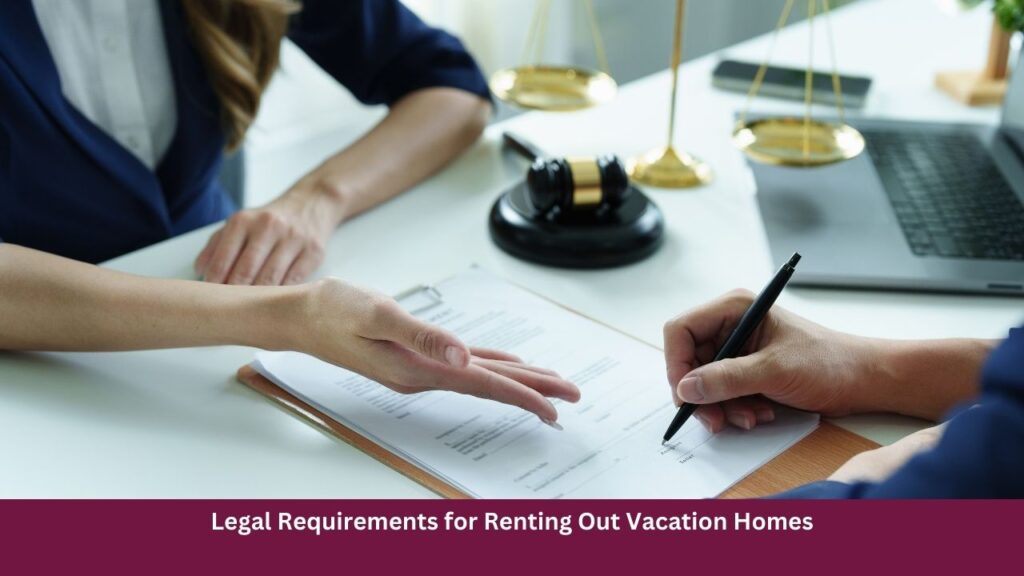
Renting out a vacation home can be a profitable investment, but it comes with legal obligations that homeowners must comply with to avoid fines, penalties, or even restrictions on short-term rentals. Understanding the legal requirements before listing a property for rent is crucial for ensuring compliance with local, provincial, and national regulations.
For investors considering short-term rental opportunities, understanding zoning laws and rental regulations is essential. In areas with growing real estate markets, such as condos for sale in Grimsby, buyers interested in vacation rentals should be aware of the specific rules governing short-term stays and rental permits. Many cities and municipalities have introduced stricter regulations in response to the rising popularity of short-term rentals, affecting homeowners’ ability to rent their properties freely.
Licensing and Permit Requirements
Many jurisdictions require homeowners to obtain a rental license or permit before legally renting out a vacation home. The requirements vary by location but often include:
- Business License – Some municipalities require vacation rental owners to register as a business entity.
- Short-Term Rental Permit – Some cities impose restrictions on short-term rentals and require homeowners to obtain a permit.
- Zoning Compliance – Property owners must ensure their vacation home is located in an area zoned for short-term rentals.
- Homeowner Association (HOA) Rules – If the property is in a condominium or gated community, owners must comply with HOA regulations regarding rentals.
- Annual Renewals – Some areas require homeowners to renew their rental permits yearly to ensure ongoing compliance.
Tax Obligations for Vacation Rentals
Vacation rental income is subject to taxation, and homeowners must understand their tax obligations to avoid penalties. These may include:
- Income Tax – Rental earnings must be reported as taxable income, and failure to do so may result in penalties.
- Sales and Occupancy Taxes – Many local governments impose short-term rental taxes similar to hotel occupancy taxes, which must be collected from guests and remitted to the tax authority.
- Deductions and Expenses – Homeowners can often deduct expenses such as maintenance, property management fees, mortgage interest, and even depreciation to reduce taxable income.
- Tax Withholding for Foreign Owners – If the rental property owner is not a resident of the country where the property is located, tax withholding laws may apply.
Safety and Property Standards
To legally rent out a vacation home, property owners must comply with health and safety regulations, which may include:
- Fire and Safety Inspections – Some jurisdictions require working smoke detectors, fire extinguishers, and carbon monoxide alarms.
- Building Code Compliance – Homes must meet structural and safety standards set by local authorities.
- Occupancy Limits – Cities may impose limits on the number of guests allowed in a rental property.
- Emergency Exit Plans – In some locations, properties must include emergency escape plans for guests.
- Sanitation Standards – Cleanliness and hygiene are regulated in certain jurisdictions to ensure a safe experience for renters.
Rental Agreements and Guest Policies
A well-drafted rental agreement protects both homeowners and guests. Essential elements to include are:
- Rental Duration and Rates – Clearly outline the rental period, pricing, and any additional fees.
- Security Deposits and Refund Policies – Establish rules for collecting and returning security deposits.
- House Rules and Restrictions – Specify guidelines for noise levels, smoking, pets, and guest behavior.
- Liability and Damage Policies – Clarify the tenant’s responsibility for property damage and how disputes will be handled.
- Cancellation Policies – Define conditions under which guests can cancel and whether refunds are applicable.
Insurance Considerations for Vacation Rentals
Homeowners should review their insurance coverage to ensure they are protected against potential risks associated with short-term rentals. Key policies to consider include:
- Vacation Rental Insurance – Covers property damage, liability, and rental income loss due to unexpected circumstances.
- General Liability Insurance – Protects owners from lawsuits related to guest injuries or damages.
- Host Protection Plans – Some rental platforms offer coverage, but owners should confirm the extent of protection provided.
- Loss of Income Coverage – If a rental property becomes uninhabitable due to unforeseen circumstances, loss of income coverage can provide financial relief.
Handling Tenant Disputes and Legal Issues
Disputes with tenants can arise over cancellations, damages, or rental agreements. Homeowners should be prepared to handle issues legally by:
- Documenting Communications – Keeping a record of all correspondence with tenants.
- Following Local Eviction Procedures – If tenants overstay their booking, landlords must follow legal eviction processes.
- Using Mediation Services – If disputes escalate, mediation can help resolve issues without court involvement.
- Legal Compliance with Privacy Laws – Landlords must ensure they comply with data protection laws when collecting and storing guest information.
Real-Life Example: Short-Term Rental Compliance Issues
Consider a homeowner who recently purchased a vacation property and listed it on a short-term rental platform without researching local regulations. A few months later, they received a notice from the city demanding they cease operations due to a lack of a rental permit. Additionally, the homeowner was fined for failing to collect and remit occupancy taxes. This case highlights the importance of understanding licensing, tax requirements, and local regulations before renting out a vacation home.
Final Thoughts
Renting out a vacation home can be a lucrative opportunity, but understanding and complying with legal requirements is essential for long-term success. Property owners should research local regulations, obtain necessary permits, and establish clear rental agreements to protect their investment. Buyers considering real estate for vacation rental purposes should ensure they fully understand the zoning laws, tax obligations, and insurance requirements before making a purchase. Proper due diligence can prevent legal issues, fines, and disruptions to rental income, ensuring a smooth and profitable operation.