Noise Measurement Service: For Safe Workplaces and Legal Conformity
Noise at work is something more than just a disturbance. It poses grave health risks to the employees in the form of noise-induced hearing loss, increased stress, and reduction in concentration. Long-term exposure to a high level of noise may result in permanent hearing loss and reduced productivity, apart from increasing the accident rate. These have been supported by business concerns to protect workers and comply with safety regulations through professional noise measurement services. Noise exposure is assessed, potential hazards are highlighted, and effective control measures recommended to mitigate the risk.
This article discusses the role, importance, tools, and techniques of noise measurement services, along with the benefits that come out of seeking experts for noise risk control at workplaces.
Noise Measurement in Workplace – Importance
Noise often is simply a natural part of the daily operation in manufacturing, construction, mining, and aviation. Workers around loud machinery, tools, and equipment run a very real risk of NIHL, which is permanent and irreversible. Safe Work Australia says that exposure to noise over 85 decibels (dB) for an average of an 8-hour workday may result in hearing damage, while sudden peak noises over 140 dB may even cause immediate hearing loss.
Apart from damage to hearing, excessive noise also impairs communication, increases fatigue, and diminishes concentration-all of which can contribute to accidents and reduced productivity. For all these reasons, the measurement of noise on a regular basis is imperative to identify hazardous levels of noise and to apply controls where appropriate.
Legal Requirements for Noise Measurement:
Employers in Australia are bound by the law to safeguard them by complying with the Work Health and Safety (WHS) Regulations 2011, forcing employers to see to it that workers should not be exposed to more than 85 dB for an 8-hour shift nor 140 dB in peak noise events. In case the exposure level is greater than the values mentioned, then employers must do something without delay to minimize it.
Failure to control noise hazards can lead to significant fines, litigation, and damage to reputation and brand. Long-term health effects for employees may also include permanent hearing loss. Businesses should regularly measure the noise level, especially in highly vulnerable areas. This will help them address legal requirements and make sure that workers are safe.
Noise Measurement Service: The Role It Plays
A noise measurement service can be defined as a facility to help organizations measure and manage the occupational exposure to noise at workplaces. These are normally provided by qualified professionals, such as noise consultants or occupational hygienists, who have the expertise and equipment needed to measure correctly the level of noise and advise on solutions to mitigate these risks.
Noise measurement services come with a number of benefits, including:
Noise assessments are done by trained personnel using quality equipment to measure noise levels in all different workplace sections. This serves to be really useful for identification of noise “hot spots” where the workers are mostly at risk.
Compliance with Regulations: It ensures that noise measurement services put businesses into compliance with legal requirements concerning noise exposure and provide documentation that proves due compliance with WHS regulations.
Noise Control Solutions: Based on the results of the noise assessment, consultants develop customized solutions to minimize exposure to noise by the application of engineering controls or through the use of PPE.
Ongoing Monitoring and Support: Noise measurement services also provide ongoing monitoring and support to ensure that noise levels do not exceed the limit as work processes and equipment change over time.
How Noise Measurement Services Work:
It is a structured approach to noise risk assessment and management within an overall noise measurement service. Major steps involved in the process include the following:
1. Initial Consultation and Site Inspection
Basically, noise measurement starts with a consultation and a site visit. The consultant, during this step, makes a preliminary identification of potential sources that may pose certain risks. This includes those from continuous noise sources, such as machinery that works during the entire workday, or intermittent noise sources, which involve alarm noise and impact noises.
2. Noise Level Measurement
Once these potential noise hazards have been identified, actual workplace noise is measured with the use of specialized measuring equipment. The primary noise measurement tools include:
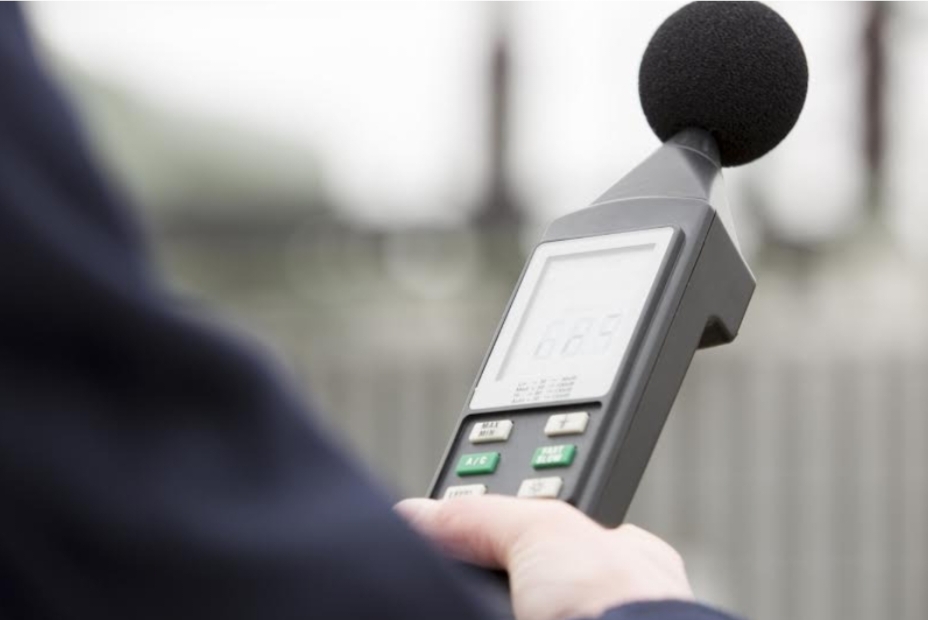
Sound Level Meters (SLMs): These are portable instruments that measure the intensity of noise at any instant in time. They are very effective in the location of noise hotspots and give an indication in real time about the level of noise in various parts of the workplace.
Noise Dosimeters: These are personal noise measurement devices worn by workers during the entire shift. These monitors, therefore, have the ability to provide a more detailed evaluation of a worker’s total exposure to noise over an entire workday as opposed to an instantaneous sound level measurement, especially in environments where the levels of noise fluctuate.
Noise levels are most often measured on the A-weighted decibel scale (dBA), which reflects how the human ear perceives different sound frequencies. The data collected will be compared to regulatory exposure limits to determine where workers may be at risk.
3. Analysis and Reporting
Once all the noise measurements are collected, the consultant would analyze this data against WHS compliance requirements. If the noise level exceeds these limits, the consultant shall provide a detailed report on the results of the assessment of exposure to noise and recommended control measures.
It can also include a noise map, which is a graphical representation of the noise levels about various areas in the workplace. This will enable any company to know priority areas where noise reduction must be implemented.
4. Noise Control Measures in Practice
When the assessment indicates that workers are exposed to hazardous levels of noise, then control measures are to be carried out. The control measures can be:
Engineering Controls: These are modifications to the workplace or changes to equipment which would reduce noise at the source. Examples include using less noisy machinery and equipment, the installation of sound barriers, and the use of sound-absorbing material to dampen noise.
Administrative Controls: These are modifications in work practices that limit exposure of workers to noise. Workers could be rotated between noisy and quiet locations, less time at a high-noise location, or noisy operations scheduled when fewer employees are present.
PPE: If the noise cannot be reduced adequately by engineering or administrative controls, hearing protection shall be provided to workers.
5. Monitoring – Ongoing and Review
Noise levels at work can vary over some time because of the introduction of new machinery, changes in processes or even wear and tear on machinery. It is, therefore, important to conduct ongoing noise monitoring ensuring that the control measures are effective and the workers protected. Regular noise assessments are encouraged, particularly if there is a significant change in the environment of the work.
Benefits of Engaging a Noise Measurement Service:
Some of the irreplaceable advantages that one accrues from hiring a professional noise measurement service include, among others:
1. Expertise and Accuracy
Noise measurement services are done by qualified professionals who understand the intricacies of workplace acoustics. Their use of specialized tools and techniques in noise level measurements ensures it is done with due accuracy, thus ensuring that businesses are compliant with regulatory standards.
2. Improved Workplace Safety
Noise measurement services help the companies in providing a safer workplace environment by determining noise hazards and the adoption of efficient control measures to reduce the risk of noise-induced hearing loss, among other health effects associated with noise exposure.
3. Legal Compliance
Noise measurement services will ensure that businesses are meeting their legal requirements in terms of noise exposure. The service provides comprehensive reports showing compliance with WHS regulations, which would make it easier for the company to avoid fines and other possible legal actions.
4. Long-term Noise Management
Noise measurement services offer follow-up assistance so that companies are able to continue keeping noise levels within acceptable limits as work processes and machinery change. This offers long-term protection against noise hazards for the workers.
Conclusion:
Noise measurement services play an important role in the protection of employees against the injurious effects of excessive noise exposure while at the same time helping the workplace comply with necessary safety regulations. These services help businesses make their work environments safer, healthier, and more productive by providing accurate noise assessments, recommending tailored control measures, and offering ongoing monitoring and support. For companies in noisy industries, the employment of a professional noise measurement service is not only a legal requirement but an investment in the long-term well-being of their workforces.