Practical Advice to Protect Your Rights During Divorce
Divorce is a major life event that can be stressful, emotional, and complicated. Protecting your rights during this time is essential for your financial security, emotional well-being, and future stability. While no divorce is exactly the same, there are practical steps that anyone can take to ensure they are prepared, informed, and protected.
Here are the actionable strategies to safeguard your rights during divorce.
#1. Understand Your Legal Rights
The first step in any divorce is understanding what you are legally entitled to. Laws vary by state, but common rights include property division, spousal support, child custody, and visitation. Knowing your rights helps you avoid agreeing to unfavorable terms or overlooking benefits you are entitled to receive.
Take the time to research state laws or speak to a family law attorney. Understanding your rights early allows you to plan strategically. It helps you avoid being pressured into decisions that may not be fair or in your best interest. Being informed also builds confidence.
You will know what is reasonable to expect and what questions to ask your lawyer. Legal knowledge is the foundation for all other steps in protecting yourself during divorce.
#2. Gather Financial Documents
Accurate financial records are essential to protecting your rights. Courts need a clear picture of income, debts, assets, and expenses. Collect pay stubs, tax returns, bank statements, retirement account statements, mortgage papers, and credit card statements.
Having these documents ready ensures that property division and support discussions are fair and based on facts. It also prevents surprises or disputes later in the process. Organize records clearly, label them, and keep copies for yourself.
Katrina Zafiro, a divorce lawyer at Zafiro Law, said, “Missing or incomplete records can weaken your position. Detailed financial documentation is your proof of what you earned, spent, and invested during the marriage, and it plays a major role in dividing assets fairly.”
#3. Protect Personal Assets
Protecting your personal assets helps ensure they are not unfairly affected by divorce proceedings. Avoid making sudden purchases, transferring property, or emptying accounts without legal guidance. These actions can be viewed as attempting to hide or waste assets, which could hurt your case.
Consulting a lawyer before making any major financial decisions during divorce protects your interests. Keeping accounts separate, monitoring joint accounts, and documenting transactions provide clarity. Courts focus on fairness, and transparent asset management strengthens your position. Protecting what is rightfully yours helps avoid disputes and ensures your financial security during and after the divorce.
#4. Keep Communication Calm and Documented
Divorce often brings emotional tension. Misunderstandings or angry exchanges can create problems. Keeping communication calm and professional, especially with your spouse, protects your rights and reputation in court.
Document important conversations in writing. Emails or text summaries of agreements or discussions help provide proof of intentions. Avoid heated arguments in front of witnesses or online. Courts may consider behavior when making decisions about custody or spousal support. Clear, respectful communication reduces conflict, prevents misunderstandings, and ensures that your side of the story remains credible throughout the divorce process.
#5. Prioritize Child Interests
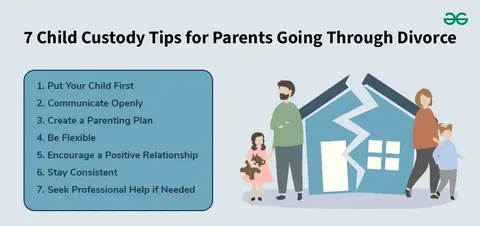
If children are involved, their well-being takes priority. Custody and visitation arrangements must consider stability, safety, and emotional support. Courts evaluate parenting ability, living situations, and past involvement when making decisions.
Document routines, school schedules, and childcare arrangements. Show a consistent commitment to your children. Avoid disputes in front of them, and focus on their needs during negotiations.
Demonstrating responsible parenting and prioritizing their welfare strengthens your position. Protecting your rights while ensuring children’s stability helps courts see your dedication and may influence custody arrangements favorably.
#6. Seek Professional Guidance
Hiring a qualified divorce attorney helps protect your legal rights. Attorneys guide clients through filing, negotiations, and court appearances. They understand procedural rules, timelines, and local laws that can impact outcomes.
Professional guidance ensures that your case is organized, complete, and presented effectively. Lawyers help identify potential pitfalls, advise on financial matters, and represent you in negotiations or in court. Even if you plan to handle some aspects yourself, consulting a lawyer provides clarity and reduces the risk of mistakes.
#7. Consider Mediation or Alternative Dispute Resolution
Mediation offers a structured environment for resolving disputes without full court trials. It allows couples to work toward agreements with a neutral third-party mediator. This approach can save time, reduce costs, and minimize emotional stress.
Participating in mediation does not weaken your rights. It allows both parties to discuss issues openly and reach compromises that reflect their needs. Mediation outcomes often have higher compliance rates because both sides contribute to solutions.
#8. Keep Accurate Records of Everything
Documentation goes beyond financials. Record incidents, communications, agreements, and any important events during the divorce process. This includes meetings with lawyers, court notices, or changes in living arrangements.
Accurate records provide evidence if disagreements arise. Courts rely on factual documentation rather than memory or verbal claims. Keeping detailed records ensures clarity and accountability. Organized notes reduce disputes and protect you from false claims. Being thorough and methodical demonstrates responsibility and helps present your case effectively.
#9. Avoid Social Media Missteps
Social media can harm divorce proceedings. Posts about finances, lifestyle, or children may be interpreted negatively by courts. Even private messages may be subject to discovery.
Maintaining a professional online presence protects your case. Avoid posting emotional reactions, complaints about your spouse, or any content that could reflect poorly on you. Courts consider behavior when evaluating credibility and parenting decisions. Responsible use of social media ensures your actions do not inadvertently harm your position or influence outcomes.
#10. Plan for Your Future
Divorce is not only about the present but also about securing long-term stability. Consider housing, finances, career plans, and future family responsibilities. Understanding your future needs helps you make informed decisions during negotiations.
Work with financial advisors, lawyers, or counselors to create realistic post-divorce plans. Consider budgeting, investments, insurance, and retirement goals. Planning ahead strengthens your negotiating position, shows foresight, and ensures that agreements align with your future well-being. Being proactive protects both immediate and long-term rights after divorce.
Conclusion
Divorce is challenging. But protecting your rights ensures a fair process and long-term stability. Understanding legal rights, gathering records, managing communication, prioritizing children, and seeking professional guidance form the foundation of a strong approach.
Following these practical strategies allows individuals to navigate divorce with confidence. Protecting rights ensures fairness, minimizes stress, and provides a solid foundation for the future.