Types of Community Resources Available for Addiction Treatment
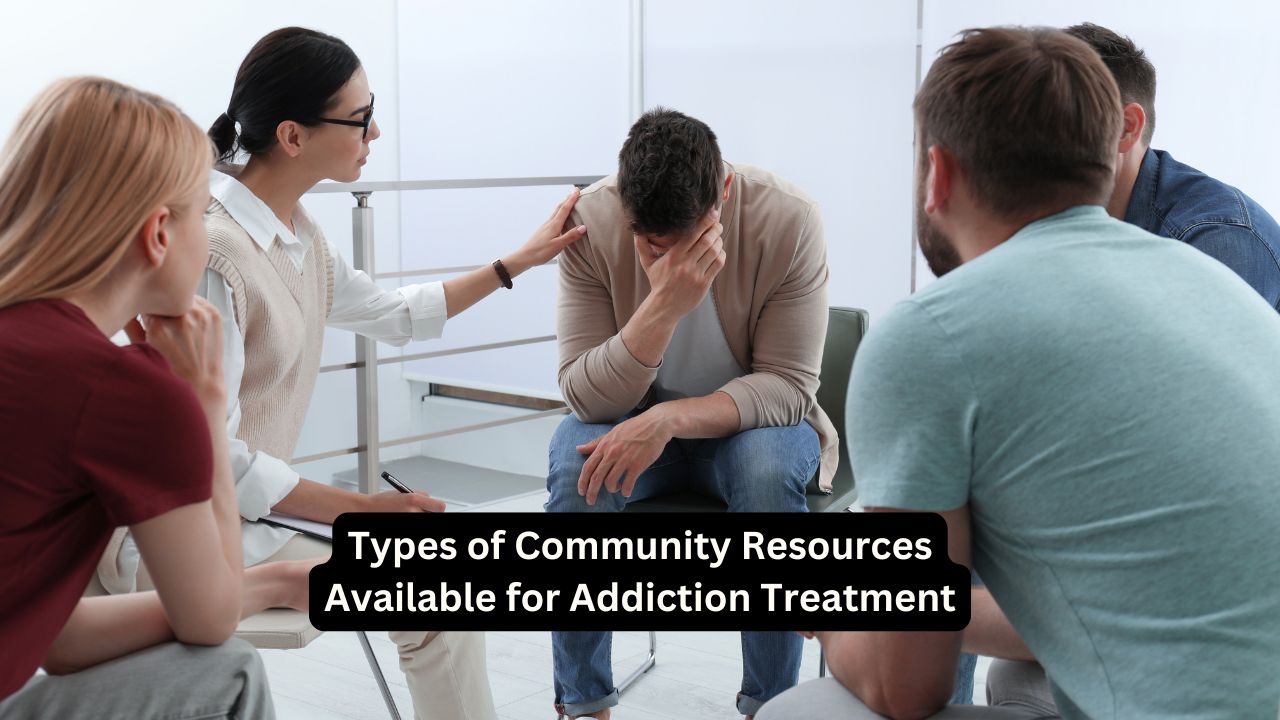
There are numerous community resources available to support individuals in alcohol use disorder treatment. These resources cater to different needs and stages of recovery, providing a comprehensive approach to overcoming alcoholism.
Support Groups
Support groups are one of the most accessible and widely used community resources in alcohol use disorder treatment. Groups such as Alcoholics Anonymous (AA), Narcotics Anonymous (NA), and SMART Recovery offer a safe space for individuals to share their experiences, gain insight from others who have faced similar challenges, and receive encouragement in their journey toward sobriety.
These groups are often peer-led, which means they are facilitated by individuals who have personally experienced alcohol addiction and recovery. This peer support is invaluable, as it fosters a sense of belonging and mutual understanding. Regular attendance at support group meetings can help individuals stay focused on their recovery goals, build resilience, and maintain their commitment to sobriety.
Counseling and Therapy Services
Professional counseling and therapy services are essential components of alcohol use disorder treatment. Many communities offer access to mental health professionals who specialize in alcoholism counseling. These professionals can provide individual therapy, group therapy, and family therapy, helping individuals address the underlying psychological factors contributing to their addiction.
Cognitive-behavioral therapy (CBT), dialectical behavior therapy (DBT), and trauma-informed therapy are just a few of the evidence-based approaches used in addiction treatment. These therapies help individuals develop coping strategies, manage stress, and work through any co-occurring mental health disorders, such as anxiety or depression, that may be fueling their alcohol addiction.
Healthcare and Medical Resources
Access to healthcare is a critical aspect of addiction treatment, particularly during the early stages of recovery when medical supervision may be required for detoxification and withdrawal management. Many communities offer healthcare services specifically tailored to individuals struggling with addiction. These services can include outpatient and inpatient treatment programs, medication-assisted treatment (MAT), and primary care services.
Healthcare providers play a key role in monitoring the physical health of individuals in recovery, managing any medical conditions that may arise as a result of substance use, and providing necessary medications to support the recovery process. By utilizing these medical resources, individuals can ensure that they are receiving comprehensive care that addresses both their physical and mental health needs.
Educational and Vocational Programs
Recovery from alcohol use disorder is not just about abstaining from substance use; it’s also about rebuilding a life that is meaningful and fulfilling. Educational and vocational programs are community resources that can help individuals in recovery gain new skills, pursue further education, or find employment. These programs provide a sense of purpose and direction, which are essential for lasting alcohol use disorder treatment recovery.
Many communities offer job training programs, educational workshops, and employment services specifically designed for individuals in recovery. These resources can help individuals build a stable and independent life, reducing the risk of relapse by providing them with the tools they need to succeed in the workforce.
Family Support Services
Alcoholism often takes a toll on families, creating stress, conflict, and breakdowns in communication. Family support services are an important resource for helping families navigate the challenges of alcohol use disorder treatment and recovery. These services can include family therapy, educational programs about addiction, and support groups for family members.
By engaging in family support services, families can learn how to support their loved one in recovery, set healthy boundaries, and work towards healing any rifts that may have developed as a result of the alcohol addiction. Strong family support can significantly enhance an individual’s chances of successful recovery, as it provides a stable and nurturing environment.