What Sustainable Forest Management Looks Like in NSW
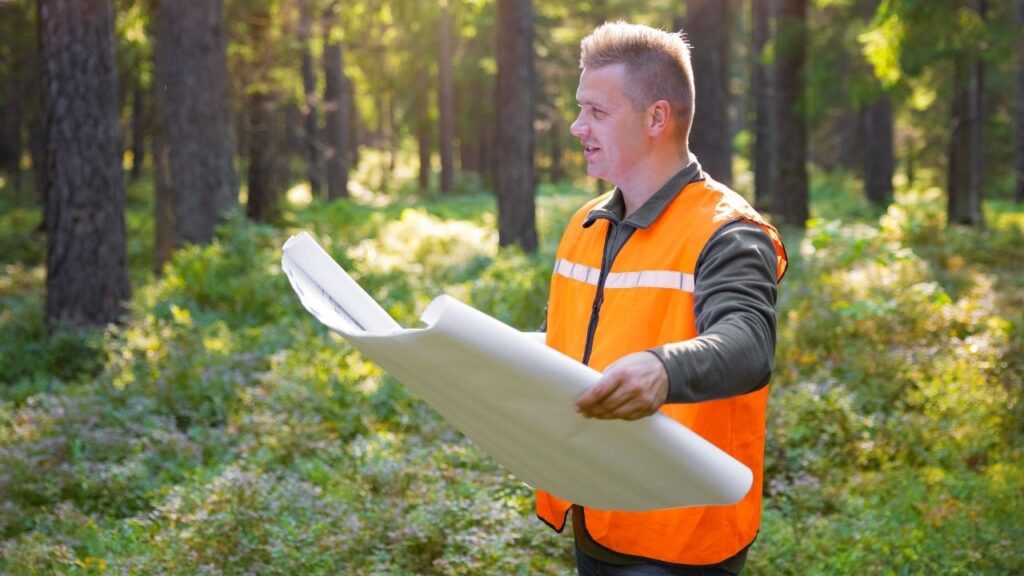
Sustainable forest management is crucial for preserving the diverse ecosystems and economic benefits that New South Wales (NSW) forests provide. In NSW, this approach balances ecological health with social and economic needs, ensuring forests remain productive and vibrant for generations to come. But what does sustainable forest management truly look like on the ground in this region? Let’s explore the strategies, practices, and benefits shaping forest stewardship in NSW.
Balancing Ecology and Economy
The forests of NSW are rich with biodiversity, housing unique flora and fauna that depend on healthy woodland habitats. At the same time, these forests support industries such as timber production, tourism, and recreation, which contribute significantly to the local economy. Sustainable forest management in NSW focuses on maintaining this balance—allowing commercial use without compromising the long-term health and resilience of forest ecosystems.
Forest managers employ careful planning and monitoring to ensure that harvesting practices do not lead to deforestation or degradation. By adhering to scientifically informed guidelines, selective logging and regeneration practices help maintain canopy cover and soil integrity, preserving habitats for native species.
Protecting Biodiversity Hotspots
NSW is home to several biodiversity hotspots, including ancient eucalypt forests and rainforests that serve as critical carbon sinks and wildlife refuges. Sustainable forest management in these areas involves protecting endangered species and their habitats, controlling invasive pests, and restoring damaged areas through replanting native trees.
Conservation zones are established within commercial forests to safeguard vulnerable species and sensitive environments. These protected areas function as natural laboratories where biodiversity can flourish, even as nearby forests are responsibly harvested.
Integrating Indigenous Knowledge
An important and evolving aspect of sustainable forest management in NSW is the inclusion of Indigenous Australians’ traditional knowledge and land stewardship practices. Indigenous communities have managed forest landscapes sustainably for thousands of years, using fire management and resource harvesting techniques that promote biodiversity and reduce wildfire risks.
Collaborative partnerships between government agencies, forestry companies, and Indigenous groups help integrate cultural values and ecological expertise into forest management plans. This not only respects Indigenous heritage but also enriches forest sustainability efforts with time-tested wisdom.
Monitoring and Certification
To ensure accountability and transparency, NSW forests under commercial management often participate in certification programs such as the Forest Stewardship Council (FSC) or the Australian Forestry Standard (AFS). These certifications set rigorous environmental and social criteria that must be met, assuring consumers and stakeholders that timber products come from responsibly managed forests.
Regular monitoring through remote sensing technology, field inspections, and ecological assessments helps track forest health indicators like tree growth rates, wildlife populations, and soil quality. This data guides adaptive management—where forest plans are updated based on observed outcomes to improve sustainability.
Fire Management and Climate Resilience
Wildfires are a natural part of NSW’s forest ecosystems but have become more severe due to climate change and land use pressures. Sustainable forest management includes proactive fire management strategies designed to reduce fuel loads and increase forest resilience.
Prescribed burns, strategic fire breaks, and community education programs are employed to protect both natural environments and human settlements. Furthermore, forest managers work to enhance carbon sequestration through reforestation and avoiding land clearing, contributing to NSW’s broader climate goals.
Community Engagement and Education
Sustainable forest management is not just a technical process—it also involves the community. Local stakeholders, including landowners, recreational users, and conservation groups, play vital roles in shaping forest policies and practices.
Educational initiatives promote awareness of forest ecosystems and encourage responsible behaviours, such as minimizing litter, respecting wildlife, and supporting local timber products. These community partnerships foster a shared commitment to forest stewardship and ensure that the values of sustainability extend beyond the forest boundaries.
Economic Benefits with a Future Focus
While protecting forests is essential, sustainable forest management also supports the livelihoods of many people in NSW. The timber industry provides jobs in logging, milling, and manufacturing, while tourism based on forest landscapes generates additional revenue.
By managing forests responsibly, NSW ensures that these economic opportunities remain viable long term, avoiding the boom-and-bust cycles associated with resource depletion. Sustainable practices also open doors to emerging markets, such as carbon credits and eco-certified products, providing new incentives for conservation-minded forest management.
Challenges and the Road Ahead
Despite the successes, sustainable forest management in NSW faces ongoing challenges. Illegal logging, land clearing for agriculture or development, and climate change impacts require continuous vigilance and adaptation.
Emerging technologies such as drone surveillance, AI-driven forest health monitoring, and genetic research into tree resilience offer promising tools for future management. Policy reforms aimed at strengthening protections and increasing funding for conservation will also be critical.
Ultimately, the goal is a forested landscape that thrives ecologically, supports community wellbeing, and sustains economic vitality—ensuring NSW’s forests continue to be a valuable asset for all Australians.