The Clean Home, Happy Family Theory: How Routine Cleaning Influences Relationships
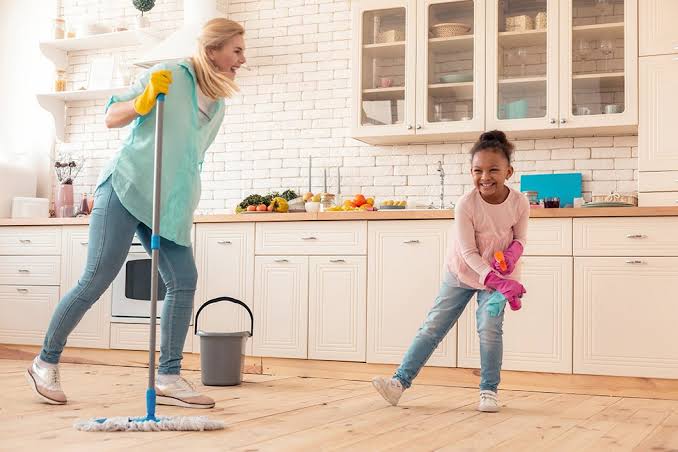
It’s a scene familiar in many households. Someone steps over a pile of laundry. Dishes sit in the sink long after dinner. A shoe left in the hallway turns into a passive-aggressive conversation starter. And slowly, tension builds.
It doesn’t take much. Mess, however small, can quietly strain the way we interact with the people we live with. Whether it’s a shared apartment, a busy family home, or a multigenerational space, cleanliness plays an emotional role—one that goes far beyond aesthetics.
There’s a growing conversation around how our environments shape our relationships. The “Clean Home, Happy Family” theory isn’t just a catchphrase—it’s rooted in the way order, or the lack of it, subtly influences mood, cooperation, and connection.
Let’s explore how routine cleaning—whether self-managed or supported by house cleaning services—can play a vital role in keeping households not just livable, but harmonious.
The Mess-Mood Connection
Mess and clutter affect mood. This isn’t just a hunch—it’s backed by psychology. Clutter overloads our senses. It reminds us of tasks undone. It creates a sense of instability.
In a shared space, those feelings don’t just stay internal. They manifest in tone, patience levels, and communication. The sink full of dishes becomes a stand-in for “I feel unsupported.” The messy hallway starts to mean “No one respects shared space.”
Conversely, when a home feels clean and cared for, it:
- Reduces background stress
- Encourages more open and gentle communication
- Creates a sense of cooperation and shared pride
Simply put: a clear space helps clear the air, emotionally and relationally.
Division of Labor = Division of Tension
One of the top sources of household conflict is division of chores. Who does what? How often? Is the work fairly split?
When the environment is constantly messy, conversations about cleaning often feel accusatory. But when there’s a routine in place—either shared among family members or handled through regular cleaning services—that emotional weight is lifted.
Routines do more than get the job done. They:
- Reduce surprise messes that trigger arguments
- Clarify expectations, which leads to fewer resentments
- Create moments of shared effort that actually build connection
It’s not about having a spotless home. It’s about removing the pressure of unspoken frustration around cleanliness.
Clean Spaces Support Kids’ Behavior and Learning
In homes with children, the state of the space affects more than mood—it impacts learning, play, and emotional development.
Clutter can make it harder for children to focus, self-regulate, or transition between activities. A messy playroom or chaotic family room can overstimulate young minds, leading to tantrums or shutdowns.
Meanwhile, clean, organized spaces:
- Help kids understand structure and cause-effect (toys go here, art happens there)
- Foster independence (they know where things are)
- Encourage calm play and learning zones
A regular deep cleaning rhythm—even quarterly—can reset these spaces and maintain a calmer baseline for family life.
Emotional Safety and Predictability
Home should be a place where everyone can exhale. A space that feels stable. Predictable. Safe.
While mess doesn’t make a home unsafe in the obvious sense, it does chip away at emotional predictability. Not knowing where things are, navigating piles, or never feeling like a space is fully “done” can erode the sense of being settled.
Cleanliness becomes part of emotional safety. Not because the space is perfect, but because:
- Everyone knows where to find what they need
- The home feels maintained, not out of control
- There are clean places to rest, play, work, and gather
That predictability becomes a comfort—especially in a world full of daily uncertainties.
A Catalyst for Quality Time
Time is precious, especially in busy households. And how that time is spent depends heavily on the environment.
Consider the difference between:
- Sharing a meal in a clean, inviting kitchen vs. pushing aside clutter
- Watching a movie in a tidy living room vs. negotiating over who’s supposed to clean it first
- Hosting guests when the home feels fresh vs. feeling embarrassed about the state of things
A clean space removes friction. It invites moments to happen. And those moments—dinners, game nights, spontaneous conversations—are the fabric of strong relationships.
It’s why many families turn to house cleaning services not for extravagance, but for facilitation. It’s not about having help—it’s about having time for what matters most.
Routines Build Respect
One of the most overlooked benefits of routine cleaning is the subtle message it sends within a household: “We care for this space because we care for each other.”
When cleaning becomes a habit—not a punishment or a panic before guests arrive—it builds mutual respect.
- Children learn that cleaning up is a shared responsibility, not a consequence.
- Partners learn to value effort and contribution equally.
- Housemates learn that maintaining space is part of maintaining trust.
Bringing in professionals like Rover House Cleaners reinforces that respect. It shows that the home is worth investing in, and that everyone’s well-being benefits from that investment.
The Quiet, Lasting Impact
Unlike dramatic renovations or major life changes, cleaning doesn’t shout. It whispers. It says:
- “You matter.”
- “We’re in this together.”
- “This space supports us—not the other way around.”
And over time, those messages shape the atmosphere of a home. They soften rough edges. They make conversations easier. They make the house feel like a haven, not just a shell.
Cleanliness doesn’t fix everything. But it removes obstacles. It creates opportunities for joy. And it turns daily routines into a foundation for stronger connections.
Final Thoughts: Cleanliness as Care
When we talk about a clean home, we’re really talking about a cared-for home. One where people show up for the space—and for each other.
The “Clean Home, Happy Family” theory isn’t about perfection. It’s about creating an environment that nurtures connection, reduces tension, and gives everyone a place where they feel grounded and safe.
So whether it’s a family chore chart, a simple 15-minute reset, or a regular visit from trusted cleaning services, the goal is the same: to make space for what truly matters.
And in that space, relationships have room to thrive.
Stay in touch to get more updates & news on UploadArticle!