The Eco-Friendly Guide to Sustainable Window Treatments
It started with a single question.
Standing in the middle of her sun-drenched living room, Ava looked at the aging blinds on her windows and wondered, Is there a better option—one that works for my home and the planet?
That one thought led her down the rabbit hole of sustainable interior design. But instead of overwhelming renovations or major overhauls, she began with something manageable: her window treatments.
What she discovered along the way is shaping how more and more homeowners approach everyday design. Sustainable blinds, shutters, and roller shades aren’t just possible—they’re practical, attractive, and more available than ever.
The Hidden Impact of Window Coverings
When people talk about eco-friendly living, they often think about big-ticket items—solar panels, electric cars, insulation upgrades. But the smaller decisions inside your home add up, especially when they involve materials used throughout.
Window coverings are in nearly every room. That means their materials, manufacturing, and performance matter. Ava learned that standard synthetic coverings can off-gas harmful VOCs (volatile organic compounds), trap heat or cold inefficiently, and eventually end up in landfills after just a few years.
So she started asking new questions. What were her shades made of? How were they produced? How long would they last?
Sustainable Materials: What to Look For
Her research led her to some impressive material alternatives—proof that eco-friendly can also be beautiful.
Natural Fibers
Options like bamboo, jute, cotton, and linen provide style and breathability. They’re biodegradable and often sourced with less chemical processing.
- Bamboo blinds offer sleek lines and a warm, organic feel
- Woven wood roller shades bring texture and softness to bright spaces
- Cotton and linen drapes layer effortlessly over sustainable shades for a natural finish
Recycled Fabrics
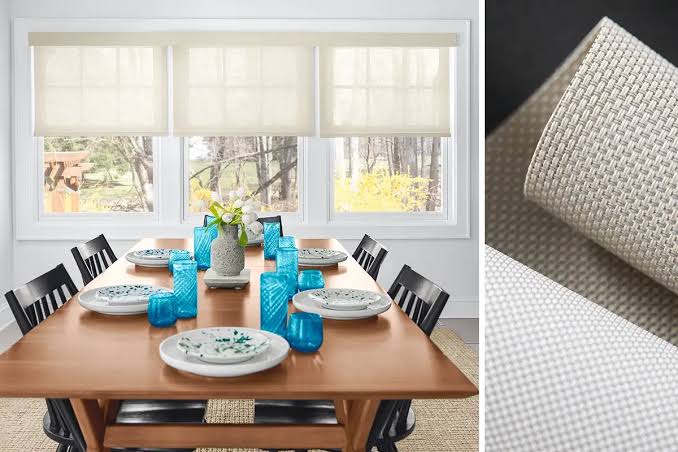
Some roller shades are now made from post-consumer polyester or recycled plastic bottles. These options often come in clean, neutral tones that work well in modern interiors.
Not every material labeled “natural” is automatically sustainable, and not all synthetics are bad—so Ava learned to look for certifications. Labels like Greenguard Gold, OEKO-TEX, or FSC (Forest Stewardship Council) signaled safe, responsibly sourced components.
Energy Efficiency: The Sustainability You Feel
One thing Ava didn’t expect? How much her new window treatments helped her HVAC system.
In summer, heat poured in through her south-facing windows. In winter, warmth slipped out of poorly insulated glass. Adding cellular shades to her bedrooms and thermal-lined shutters to the living room changed everything.
She wasn’t alone. Studies show that energy-efficient coverings can reduce heat gain by up to 77% in summer and heat loss by up to 40% in winter. That translates to less demand on air conditioning and heating—saving both money and resources.
Smart choices include:
- Cellular blinds with honeycomb construction to trap air
- Shutters made with insulating cores or tight-fitting panels
- Dual-roller shades that allow switching between solar screen and blackout layers
Durability = Less Waste
When Ava replaced her old blinds, she thought about how many times she’d already changed them in just the past decade. Cheap blinds had warped, tangled, or faded. Some lasted just a year or two.
Choosing high-quality, durable shutters and roller shades extended the life cycle of her investment. Fewer replacements meant less landfill waste and less resource consumption over time.
Materials like faux wood, metal, and thick fabrics—when made well—resist sun damage, humidity, and physical wear. Longevity became a sustainability feature in its own right.
Automation and Smart Controls
Ava’s favorite upgrade? Motorized shades.
Using programmable controls, her new roller shades opened automatically in the morning to let in natural light—and closed during peak sun hours to keep the home cool. At night, they dropped into privacy mode on schedule.
Smart window treatments reduce energy waste by:
- Maximizing daylight when it’s needed
- Minimizing heat gain when it’s not
- Aligning with occupancy sensors or climate settings
For Ava, automation wasn’t just a tech upgrade. It was another layer of sustainability—quietly supporting her efforts in the background.
Manufacturing Transparency
Not all eco-consciousness lives in the end product. Ava realized the importance of understanding how and where her blinds and shades were made.
She began looking for brands that disclosed:
- Local or regional manufacturing to reduce transportation emissions
- Sustainable factory practices like energy-efficient production or recycling programs
- Minimal or recyclable packaging
Companies who prioritized transparency quickly stood out. Studios like AAA Blind & Shutter Factory helped Ava understand the materials, design processes, and environmental choices behind the products they carried—making each decision a little more informed.
Minimalist Doesn’t Mean Minimal Impact
One of the most interesting parts of Ava’s journey was redefining her view of what sustainability looks like.
She once thought “eco-friendly” meant rustic or overly natural. But clean, modern roller shades, crisp white shutters, and neutral-toned blinds still met her minimalist aesthetic—without compromising on values.
Sustainability turned out to be more flexible than she imagined. It looked just as beautiful in her streamlined office as it did in her nature-inspired bedroom.
Small Changes, Big Impact
By the end of her upgrade process, Ava hadn’t just improved her home—she’d changed how she thought about the relationship between style, comfort, and responsibility.
Every material, every mount, every function now served a dual purpose: to beautify and to conserve. And she realized that one of the easiest ways to reduce her footprint wasn’t through major renovations—but through thoughtful design choices that aligned with her everyday life.
Final Thoughts: Style with Intention
Sustainability is more than a buzzword—it’s a mindset. And in today’s homes, every detail matters. Whether it’s adding energy-efficient blinds to your living room or swapping plastic shades for responsibly sourced roller shades, the journey starts with awareness.
Window treatments might not seem like the first place to look when making your home greener. But as Ava discovered, they’re one of the most impactful—and accessible—ways to start.
Smart, sustainable design doesn’t have to be radical. It just has to be intentional.