The Importance of Asbestos Air Monitoring for Healthy Environments
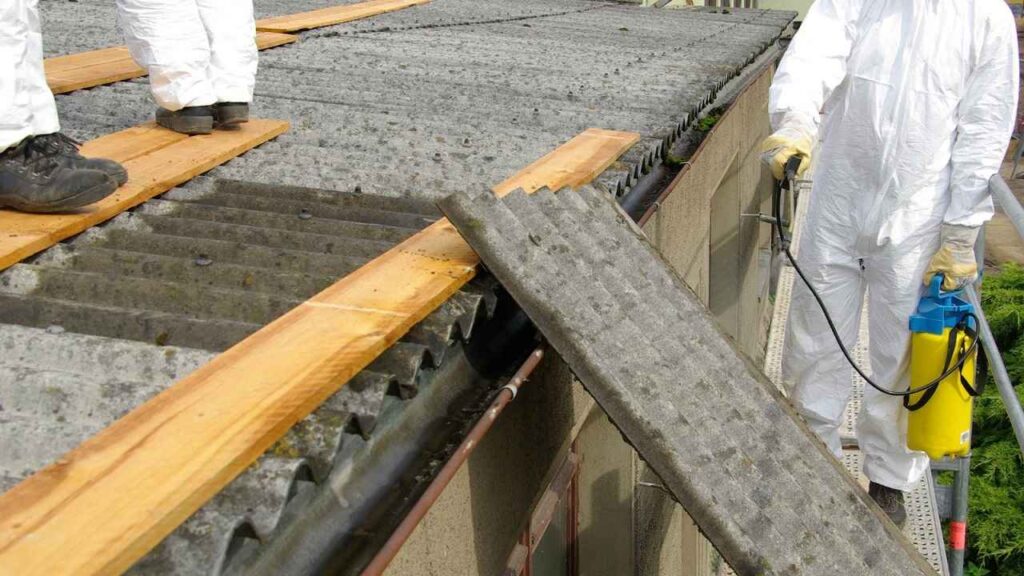
Asbestos, a term used for a group of six naturally occurring fibrous minerals, was once widely used in building materials for its durability, fire resistance, and insulating properties. However, its reputation soured when exposure to asbestos fibres was linked to serious health issues, including lung cancer, mesothelioma, and asbestosis. The discovery of these health risks led to stringent regulations on the use and handling of asbestos. Consequently, the role of asbestos air monitoring has become a critical component of air quality management in environments where asbestos-containing materials (ACMs) may be present.
Recognising the Risks of Asbestos Exposure
The meticulous management of asbestos is pivotal for the safeguarding of public health. When ACMs age or are disturbed through maintenance work or demolition, asbestos fibres can become airborne, creating an invisible health hazard. The invisibility and latency period of asbestos-related diseases complicate matters, as symptoms may not appear for decades post-exposure, often when it is too late for effective treatment.
Therefore, regular asbestos air monitoring is an essential practice for any premises that potentially contains asbestos, such as older buildings undergoing renovation or demolition. This process involves measuring the concentration of asbestos fibres in the air to ensure they stay below mandated levels, protecting those who live, work, or attend school in these buildings, as well as the construction and maintenance workers directly interacting with these areas.
The Process of Asbestos Air Monitoring
Professional asbestos air monitoring is executed using sophisticated sampling equipment that can detect even low levels of asbestos fibres in the air. Certified technicians set up monitors in the designated area to collect air samples over a specified period. The collected samples are then analysed in a laboratory to determine fibre concentrations.
Effective asbestos air monitoring also encompasses the assessment of control measures to prevent fibre release. This may include checking the integrity of specified containment areas and the efficacy of dust suppression techniques. Given that fibres can attach to surfaces or be inadvertently transported by clothing, comprehensive environmental assessments ensure that asbestos contamination is kept in check.
Legal Requirements and Compliance
In the UK, legislation such as the Control of Asbestos Regulations 2012 sets out the legal obligations of employers and duty holders to manage asbestos risk within their properties. This includes performing risk assessments, maintaining an asbestos register, and undertaking any necessary asbestos air monitoring to ensure the health and safety of individuals on the premises.
Failure to comply with these regulations not only endangers health but can also lead to significant legal consequences including fines and prosecution. Regular professional asbestos air monitoring thus helps to satisfy legal obligations and demonstrates a commitment to health and safety best practices.
Benefits of Asbestos Air Monitoring
Beyond meeting legal requirements, there are distinct benefits to implementing a strict asbestos air monitoring program. Firstly, it reassures occupants that their environment is safe and that their health is being prioritised. Secondly, it provides a clear framework for maintaining air quality standards and allows for timely interventions if elevated fibre levels are detected.
This proactive approach can prevent long-term exposure, thus averting chronic health issues and potential liabilities. It also adds value to property management, as ongoing monitoring and maintenance can enhance the integrity and longevity of the building, by preventing the deterioration and disturbance of ACMs.
Choosing the Right Monitoring Partner
Selecting a proficient and reliable environmental consulting firm for asbestos air monitoring is crucial. Certified professionals bring not only technical know-how but also an understanding of relevant regulations and best practices to manage asbestos risks effectively. They provide detailed reports that can inform safety protocols and decision-making, and if necessary, propose remediation and abatement measures.
The firm should also offer comprehensive services, such as surveying for ACMs, drafting management plans, and regular monitoring schedules. This holistic approach to asbestos management ensures consistent protection for building occupants and workers alike.
Conclusion
The crucial role of asbestos air monitoring in creating healthy environments cannot be overstated. With its capacity to detect airborne fibres and ensure regulatory compliance, it is an indispensable part of any robust air quality management strategy. In light of the grave risks associated with asbestos exposure, the diligence of duty holders in performing scheduled monitoring is both a moral obligation and a legal necessity.Ultimately, the prioritisation of regular and rigorous asbestos air monitoring is fundamental to protecting public health and maintaining the safety of our built environments. Investing in the right expertise and services means investing in the long-term wellbeing of communities and safeguarding the legacy of our infrastructures for future generations.