Understanding The Lifespan Of Window Components And Repairs
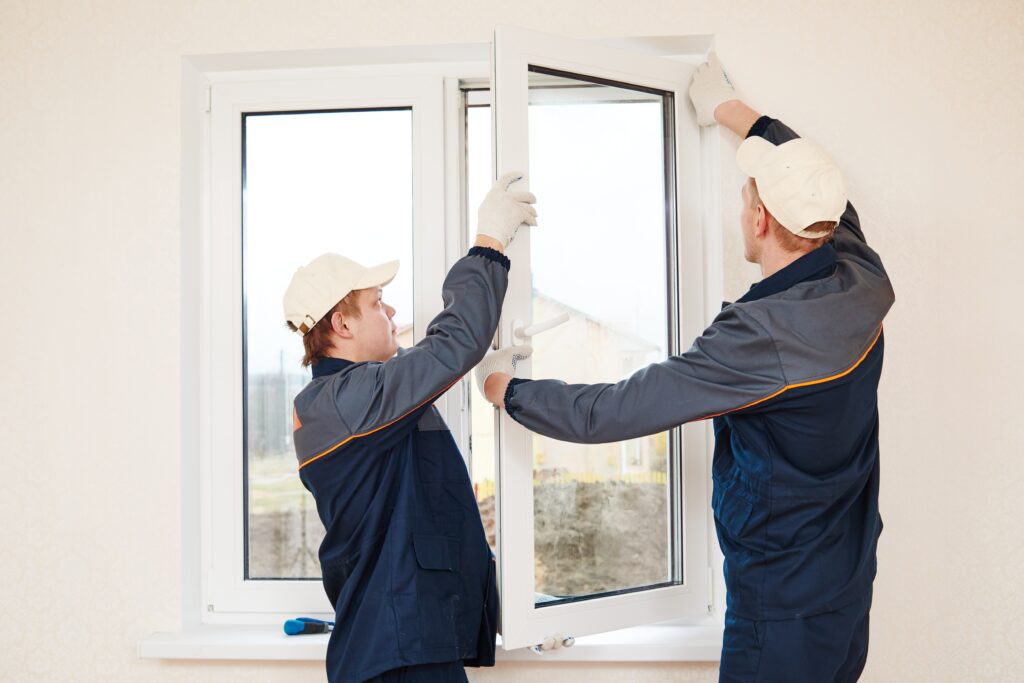
Windows are long-term investments in any home, designed to bring in natural light, regulate indoor temperatures, and enhance curb appeal. But like any structural component, they don’t last forever. The lifespan of various window parts—glass, frames, seals, and hardware—can vary significantly based on material quality, weather conditions, and maintenance habits. Homeowners can avoid full replacements by opting for timely window repair Edmonton services that address worn seals, damaged hardware, or cracked panes before the issues worsen.
Knowing how long each part of a window is expected to last and recognizing when repairs are appropriate can help homeowners make informed decisions about upkeep and replacement.
1. Glass Panes: Built To Last, But Not Immortal
Modern window glass, especially when double- or triple-glazed, is engineered for durability. On average, glass panes can last 20 to 30 years, depending on their quality and exposure to the elements.
However, if you notice condensation between panes, this is a sign the seal has failed—reducing the insulation properties. In such cases, replacing the affected glass unit may be enough without replacing the entire window.
When To Repair? If the glass is cracked, foggy, or no longer insulates properly but the frame is intact, replacing just the glass unit can restore efficiency.
2. Window Seals And Insulated Glass Units (IGUs)
Seals are responsible for keeping air and moisture out of the space between panes in insulated glass units. These seals may eventually deteriorate due to exposure to UV radiation and temperature changes.
Most seals last 10 to 20 years, after which failures may lead to foggy windows or reduced thermal performance. While not dangerous, broken seals do impact energy efficiency.
When To Repair? If the issue is isolated to the seal, you may be able to replace the IGU without needing full-frame replacement.
3. Frames: Material Matters
Window frame lifespan heavily depends on the material:
- Vinyl Frames: Typically last 20 to 40 years. They resist moisture and require minimal maintenance, but prolonged sun exposure may cause warping or discoloration.
- Wood Frames: Can last 30+ years if well-maintained but are susceptible to rot, pests, and moisture damage. Regular sealing or painting is crucial.
- Aluminum Frames: Offer a 25-30 year lifespan. They are strong and lightweight, but they can transfer heat and are prone to corrosion if not treated properly.
- Fiberglass Frames: These are among the most durable, often lasting 40+ years, and require minimal upkeep.
When To Repair? Small areas of rot, peeling paint, or cosmetic issues may be fixed. Extensive damage usually warrants replacement.
4. Hardware: Hinges, Cranks, And Locks
Hardware components tend to have the shortest lifespan—usually 10 to 15 years—especially in windows that are frequently opened and closed. Handles, cranks, and locks can rust, break, or lose alignment.
When To Repair? Replacement parts are usually inexpensive and easy to install. Regular lubrication can also extend their life.
5. Weatherstripping And Caulking
These flexible components help maintain a tight seal around your windows, keeping air, water, and insects out. Depending on exposure, they usually last five to ten years.
Signs of worn weatherstripping include drafts, visible gaps, or water leakage. Caulking that’s cracked or peeling should also be replaced promptly to maintain insulation and prevent water damage.
When To Repair? These are quick DIY fixes that provide a big impact on energy efficiency with minimal cost.
6. Screens And Window Tracks
Screens and tracks aren’t structural but are essential for usability. Screens can last 10-15 years but may tear or warp sooner with frequent handling. Tracks can accumulate dirt and debris, impacting window movement.
When To Repair? Clean tracks regularly and patch or replace torn screens as needed to maintain airflow and keep pests out.
Final Thoughts
Understanding the expected lifespan of window components helps homeowners spot issues early and plan for timely repairs or replacements. While many issues can be addressed with minor fixes, ignoring them can lead to higher energy bills, water damage, and decreased comfort.
Preventative maintenance and routine inspections can prolong the life of your windows, increase the efficiency of your house, and ultimately save you money. Whether you need a small fix or are considering a full upgrade, being informed puts you in control of your home’s comfort and performance.