What Are The Warning Signs Of Mold Toxicity?
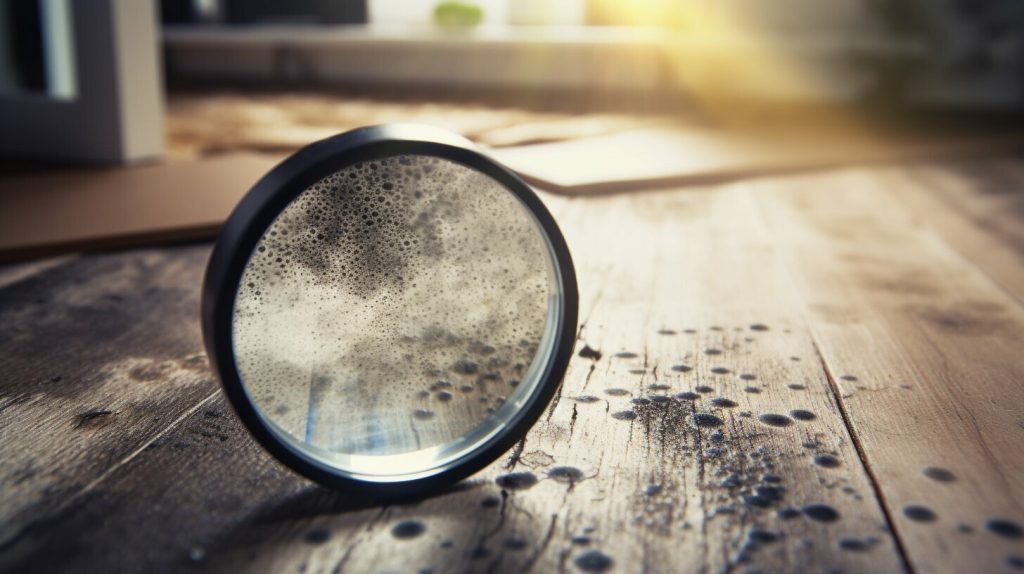
It often starts subtly. A lingering musty smell in the basement. A persistent cough that no one in the house can quite explain. Headaches that seem to get worse at home but ease up after leaving for work or school. For many families, the possibility of mold toxicity does not come to mind right away. It is easy to blame seasonal allergies, a cold that will not go away, or simple fatigue from a busy schedule.
But mold problems rarely appear out of nowhere. They usually follow moisture. A slow plumbing leak behind a wall. A roof drip that only shows during heavy snowmelt. A dishwasher line that has been seeping for months. Even water used to put out a fire can soak into framing, subfloors, and insulation if it is not dried thoroughly. In regions where water damage restoration Salt Lake City homeowners rely on is common due to storms, frozen pipes, or runoff, mold growth can develop quickly when moisture is not fully removed. The same is true after fire damage restoration Salt Lake City projects, where smoke may be the headline issue, but moisture control is often the hidden make or break factor.
Understanding the warning signs of mold toxicity helps homeowners take concerns seriously and act before symptoms worsen or structural damage spreads. It also helps you know when the situation has moved beyond DIY and into professional territory, where water damage restoration Salt Lake City and fire damage restoration Salt Lake City specialists can identify and correct the conditions that keep mold alive.
What Mold Toxicity Can Look Like In Real Life
The warning signs of mold toxicity often involve respiratory, neurological, and allergy-like symptoms that feel persistent and hard to explain. Common signs include chronic coughing, sneezing, sinus congestion, headaches, fatigue, skin irritation, watery eyes, and throat irritation. Some people also notice shortness of breath, wheezing, chest tightness, or increased asthma symptoms. Others describe brain fog, dizziness, irritability, or sleep disruption that seems to flare when they spend more time at home.
One pattern matters more than any single symptom. Mold related symptoms often improve when a person leaves the affected environment and return upon re exposure. If you feel better at work or on vacation but worse after a few hours at home, that pattern deserves attention. It does not automatically prove mold is the cause, but it is a strong clue that your indoor environment may be contributing.
Homes with recent water intrusion are higher risk. After flooding, roof leaks, or plumbing failures, incomplete drying can allow mold to grow within 24 to 48 hours. That is why water damage restoration Salt Lake City professionals focus so heavily on thorough drying, dehumidification, and moisture mapping, not just surface cleanup. After a fire, water from sprinklers or firefighting efforts can create the same conditions, which is why fire damage restoration Salt Lake City work often includes moisture control protocols to prevent a second disaster from forming behind the walls.
Why Mold Toxicity Is Often Misunderstood
Mold toxicity does not look the same for everyone. One person may have obvious breathing issues, while another only notices fatigue and headaches. Some people have strong allergic responses, while others have minimal symptoms for a long time. This variation makes it easy to dismiss the possibility of mold exposure, especially when symptoms resemble common illnesses.
There is also a timing issue. Mold exposure can develop gradually, especially when moisture sits behind drywall, under flooring, or inside ductwork. Families may not connect symptoms to the home because the home does not look obviously damaged. Meanwhile, the underlying moisture problem keeps feeding the growth.
This is where early intervention after water or fire events becomes so important. Many homeowners assume that if a carpet dries, the problem is over. In reality, moisture can remain in baseboards, subfloors, and insulation. Proper water damage restoration Salt Lake City work is designed to find and eliminate hidden moisture, not just dry what you can see. In a similar way, comprehensive fire damage restoration Salt Lake City should address both smoke residue and any moisture left behind so mold does not become a delayed consequence weeks later.
How To Tell If Mold Might Be Making You Sick
Determining whether mold is contributing to illness involves observing patterns and checking the home for risk factors. If symptoms consistently improve when away from home and return when you come back, mold exposure is worth considering. Persistent respiratory symptoms, sinus congestion, and fatigue that do not respond to typical allergy treatments can also point to environmental triggers.
Next, consider recent events. Has the home had a roof leak, a pipe burst, or a flooded basement? Was there a dishwasher overflow, water heater failure, or ice dam that soaked insulation? If the home required water damage restoration Salt Lake City services in the past, even months ago, ask yourself whether the drying was truly thorough or more surface-level. Water can travel, and mold can grow out of sight.
Fire events matter too. Even a small kitchen fire can involve water from extinguishers or sprinklers. If the property underwent fire damage restoration Salt Lake City work, or if a fire was handled without professional drying and containment, mold can appear later in wall cavities, ceiling voids, and HVAC components.
Respiratory Symptoms That Should Not Be Ignored
Respiratory symptoms are often the earliest and most common signs of mold exposure. Chronic coughing, throat irritation, post nasal drip, and persistent sneezing can develop even in people who are not usually allergy prone. Some people notice wheezing or chest tightness, especially at night. Others report sinus pressure that does not go away.
Asthma is a major concern. Mold spores can trigger asthma flare ups, increasing wheezing, shortness of breath, and rescue inhaler use. If asthma symptoms worsen indoors, or if a child suddenly shows asthma-like symptoms for the first time, moisture and mold should be considered.
Infants, Children, And Sensitive Individuals
Yes, mold exposure can cause babies to cough. Infants have developing immune and respiratory systems, which makes them more sensitive to airborne irritants. Mold spores can trigger coughing, nasal congestion, watery eyes, or increased fussiness. Young children also breathe more air relative to their body size than adults, which can increase exposure when indoor air quality is compromised.
If a baby develops persistent coughing without clear signs of infection, environmental factors should be considered. Pay attention to timing and location. Does the coughing increase in a specific room? Does it worsen after spending time in a basement or near a bathroom with a musty smell? Are there signs of past leaks, such as stains, bubbling paint, or warped flooring?
Allergic Reactions And Unusual Symptoms
Mold can trigger allergic reactions, and those reactions can vary widely. Many people experience itchy eyes, runny nose, sneezing, or skin irritation. Some report rashes that come and go. Others describe throat itching or a feeling of swelling.
Tongue swelling from mold exposure is rare, but in highly sensitive individuals, mold can contribute to stronger allergic responses. If significant swelling occurs, especially with breathing difficulty, treat it as a medical emergency. More commonly, people experience irritation and discomfort rather than severe swelling.
Whether symptoms are mild or intense, the underlying cause is still the same: mold needs moisture. Addressing moisture is the real solution, not just treating symptoms. That is why professional water damage restoration Salt Lake City work focuses on drying and preventing recurrence, and why fire damage restoration Salt Lake City often includes moisture control to stop secondary mold growth before it starts.
Why Water Damage And Fire Damage Often Lead To Mold
Mold thrives in damp conditions, and water problems create those conditions quickly. Even small leaks can create ideal growth environments inside walls, under flooring, and behind cabinetry. Flooding, roof leaks, condensation, and plumbing failures all raise mold risk, especially when water is not fully extracted and dried.
This is the core reason water damage restoration Salt Lake City services are so closely tied to mold prevention. Professional restoration is not only about removing visible water. It is about drying structural materials to safe levels, monitoring moisture with tools, and using dehumidifiers and air movers to prevent microbial growth. When drying is incomplete, mold can appear rapidly and then spread quietly.
Fire events can create the same risk. Fires often involve water from sprinklers, fire hoses, or extinguishers. That water can soak insulation, wood framing, drywall, and subfloors. If fire damage restoration Salt Lake City focuses only on smoke odor and soot, but fails to dry the structure completely, mold can become the next problem. Good fire damage restoration Salt Lake City includes moisture evaluation and drying protocols because mold does not care whether the moisture came from a storm or an emergency response.
When To Call For Professional Help
If you see visible mold growth, smell persistent musty odors, or notice health symptoms that align with time spent indoors, it is time to consider professional inspection. This is especially true if the home has a history of leaks, flooding, or fire suppression water. Waiting can increase both health risk and property damage.
A professional assessment can identify hidden moisture, verify whether drying is complete, and pinpoint likely growth zones. This is where the right team matters. Water damage restoration Salt Lake City providers who understand moisture mapping can locate damp areas behind walls and under floors. Fire damage restoration Salt Lake City specialists can address both smoke damage and moisture left behind, reducing the chance that mold becomes a delayed consequence of the fire event.
What Mold Remediation Typically Involves
Effective remediation starts with stopping the moisture source. Without that step, cleanup is temporary. Next comes containment. A professional team should prevent spores from spreading into clean areas by using barriers and air filtration. Contaminated materials may need to be removed, especially if drywall, insulation, or carpeting is heavily affected. Surfaces may be cleaned and treated, and the area must be dried back to safe moisture levels.
In many cases, remediation and restoration overlap. If mold stems from a leak or flood, water damage restoration Salt Lake City services may be needed alongside remediation to repair the source, dry the structure, and restore materials properly. If mold follows a fire event, fire damage restoration Salt Lake City teams often coordinate drying, cleaning, and reconstruction so the home can return to a safe, livable condition without lingering moisture pockets.
A good remediation plan also includes prevention. That means correcting ventilation issues, improving drainage, repairing leaks, and verifying humidity levels so the home stays dry over time.
Preventing Mold Toxicity In The Future
Prevention is less glamorous than cleanup, but it is the real long-term win. Fix leaks quickly. Use bathroom fans and kitchen ventilation. Keep gutters clear. Watch for condensation around windows and HVAC components. Use dehumidifiers in damp basements or crawl spaces. Small habits protect your health and your home.
After any major moisture event, do not rely on surface drying alone. If you experienced flooding, pipe bursts, or roof leaks, professional water damage restoration Salt Lake City help can ensure moisture is removed fully and verified, not assumed. If you experienced a fire event, fire damage restoration Salt Lake City should include drying verification anywhere water was used, even if the area looks dry.
Final Thoughts
The warning signs of mold toxicity often begin quietly with symptoms that mimic common illnesses. Persistent coughing, congestion, headaches, fatigue, skin irritation, or asthma flare ups that worsen indoors can signal mold exposure. Infants, older adults, and people with respiratory conditions are often more vulnerable, but anyone can be affected when mold growth is active and air quality declines.
Moisture control is the foundation of prevention. After leaks, flooding, snowmelt seepage, or plumbing failures, professional water damage restoration Salt Lake City services play a critical role in eliminating damp conditions that allow mold to thrive. After a fire, the same is true. Comprehensive fire damage restoration Salt Lake City should address smoke and soot, but also the water used during suppression, because trapped moisture can lead to mold long after the fire is out.