Know What Is Payment Routing and Why Every Merchant Should Care
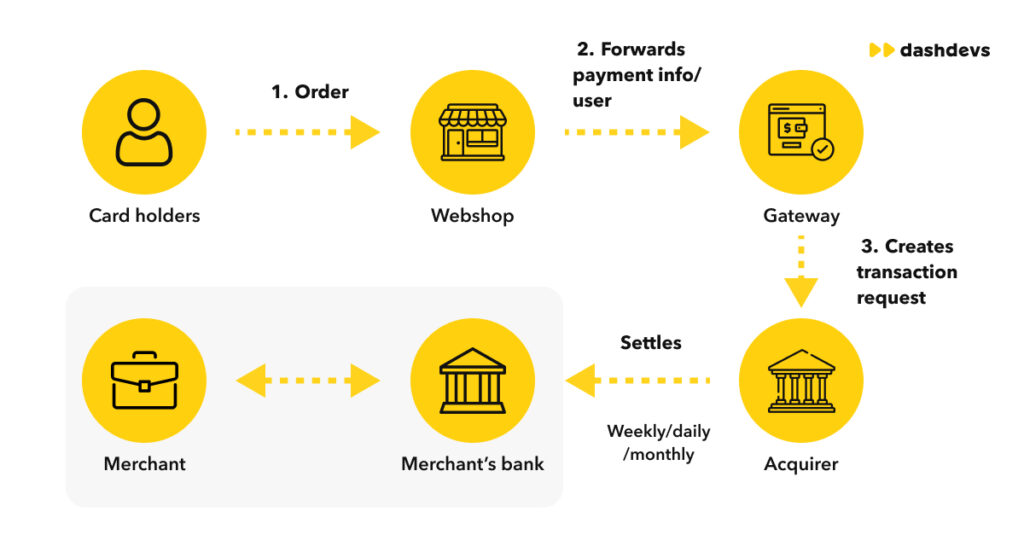
Customers expect payments to be secure, convenient, and quick. While this can be a challenge for merchants when relying on a single gateway, payment routing is an effective solution. It intelligently directs each transaction through the most reliable and cost-efficient payment provider.
For businesses, this means fewer failed payments, reduced processing costs, and customer satisfaction. Want to understand how it works in detail? Keep reading.
Understanding Payment Routing
When a transaction can be processed through multiple payment providers, a choice has to be made about which one to use. This selection is based on factors such as cost, speed, success rate, or regional support.
Directing the transaction to the most suitable payment gateway based on these criteria is called payment routing. The payment routing is an important concept, especially for businesses that handle voluminous transactions. The right choice can ensure both operational efficiency while offering customer satisfaction.
Mechanism of Payment Routing
The payment routing system works through a detailed analysis of each transaction. It uses different factors like customer location, card type, and transaction amount to find the best route. For this, the system compares the information with the database of available processors and selects the most appropriate route depending on the algorithms or rules.
The system can be further upgraded to offer real-time insights with Intelligent Payment Routing (IPR). Here, Artificial Intelligence (AI) is used to consider more factors and adapt to dynamic conditions to enable the choice of the most efficient payment path. It results in higher transaction success rates and lower processing costs.
Importance of Payment Routing for Merchants
The businesses can benefit from the payment routing in the following ways:
Increases Transaction Success Rates
The choice of the most appropriate payment gateway based on the optimally considered factors allows for maximum chances of payment success. It is done through the analysis of their currency, location, and payment methods, and hence offers customer satisfaction. Thus, businesses get to receive the maximum possible revenue, which could have been lost during poor payment routing.
Offers Multiple Payment Methods
Payment routers connect a business to many payment gateways at once through a single system. This saves the business from the hassle of making separate deals and technical setups with each gateway. Customers also get more payment options such as cards, UPI, or wallets. It offers the flexibility to customers to choose the payment options as per their preference, rather than being obliged to go with only one option.
Reduces Transaction Costs
Businesses need to pay different fees to different payment gateways, which further vary with parameters like region, card type, or currency. The cost will be high in scenarios of multiple payment failures.
Hence, the choice of the most suitable payment routing system can help compare these options in real time and direct the transaction through the gateway with the lowest cost. It does not impact the customer’s experience while helping businesses save costs, especially during a large volume of payments or during peak seasons.
Allows Geographical Expansion
Payment routing allows catering to the global audience. The system can be seamlessly integrated with international payment gateways, thus easing transactions in local payment options. It means the transactions will be open to region-specific cards, wallets, or bank transfers, making it easier for people in different countries to pay.
Additionally, they also handle multiple currencies and exchange rates automatically. It offers smooth and reliable cross-border transactions.
Eases Scalability
As businesses grow, the volume of transactions can increase significantly. Payment routers are built to scale, meaning they can handle this rising demand without slowing down or needing complex adjustments. This ensures that businesses can continue processing payments efficiently, even during peak sales periods or rapid expansion.
Advanced Reporting
Payment reporting systems can provide details about:
- Transaction patterns
- Cost metrics
- Gateway performance
- Success rates
- Cost optimization
- Transaction volume
- Distribution and other information.
The insights can be analyzed to identify and understand customer payment preferences, identify issues causing failed transactions, and track the most appropriate gateways. The results can contribute to informed decision-making for cost optimization, identification of potential areas of improvement, and improving the overall experience for customers.
Risk Diversification
Another one of the key advantages of opting for payment routing is to diversify and hence minimize the risk exposure. The use of a single payment gateway can lead to risk and loss in scenarios of gateway downtime, technical errors, or regulatory restrictions.
Hence, the presence of multiple gateways helps businesses by redirecting the payment to the alternate provider. It offers a smooth experience for customers and business continuity for the organization.
Ensures Compliance and Security
The payment routing system considers security as an important factor while directing the payment through gateways. It also uses tools like encryption and tokenization to protect sensitive data, follows PCI DSS standards, and maintains regulatory compliance as well. It helps prevent fraud while ensuring smooth and compliant payments.
Offers Competitive Edge
Businesses using intelligent payment routing can stand out by offering smoother transactions, wider payment choices, and lower failure rates. It allows you to attract more customers if this problem exists in your business industry. The high customer satisfaction, both in payment convenience and quality customer service, can further help gain customer loyalty.
Strategies for Payment Routing
Merchants may face certain challenges in adopting payment routing. Here is how to get through them:
- UPI is a common payment method in India, but lacks such popularity in the global market. To overcome this, merchants can integrate the UPI with a domestic payment gateway to improve card acceptance and ensure smoother transactions.
- Non-compatible pricing, such as that mentioned in different currencies, hinders customers in making a choice by adding complexity. It must be ensured to consistently display the prices in the local currency throughout the payment procedures. It enhances trust among customers.
- Long refund times also discourage customers from moving forwards. While Indian systems offer instant refunds, the international ones can take multiple working days. Partnership with Indian payment gateways that support instant refunds via UPI or local bank channels can help with quick processing.
Conclusion
Payment routing for merchants plays a key role in earning satisfied customers. It allows for boosting transaction success rates while lowering the expenses of payment gateway fees. The system transforms the digital payments for businesses and supports global expansion as well, while providing multiple other benefits. Hence, adopting the payment routing strategy empowers merchants to stay ahead of the competition and build customer trust.