What It Means to Be Legal to Work in the United States
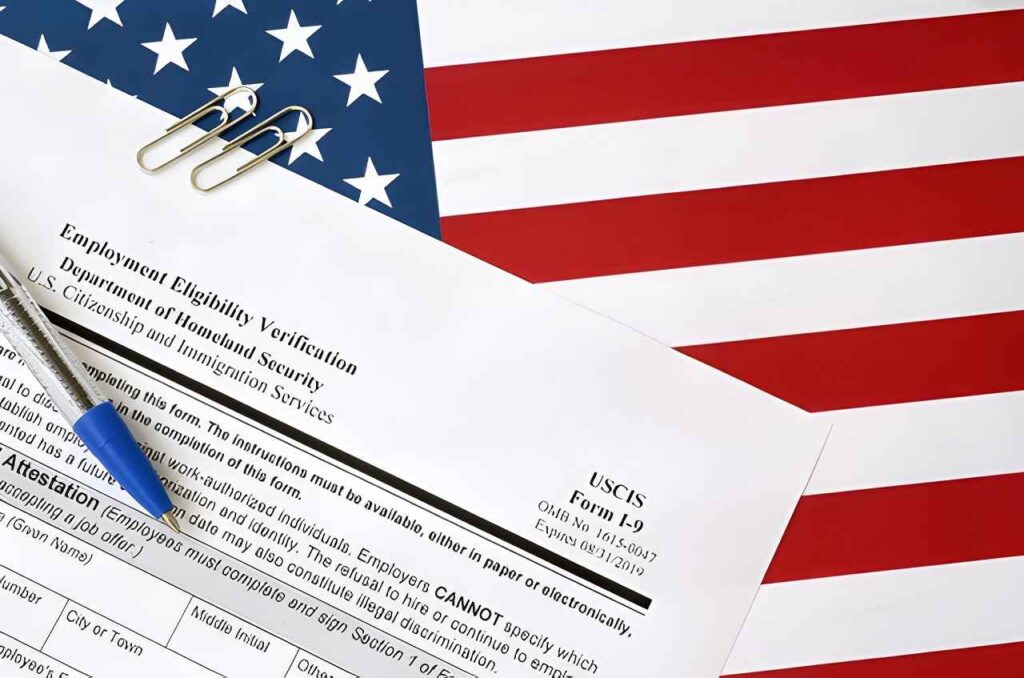
If you hire employees in the U.S.—even just one—you’re responsible for confirming that each person you bring on is legally authorized to work. That doesn’t mean you need to be an immigration expert. But it does mean you need a clear understanding of what legal work status actually looks like, what’s required of you, and how to protect your business from missteps.
Who’s Legal to Work?
In simple terms, someone is legally authorized to work in the United States if they are:
- A U.S. citizen (born or naturalized)
- A lawful permanent resident (green card holder)
- A noncitizen with valid work authorization, such as individuals with:
- Employment Authorization Documents (EAD)
- Specific work visas (e.g., H-1B, L-1, TN, O-1)
- Temporary Protected Status (TPS) or refugee/asylee status
Work authorization may come with expiration dates or specific employer restrictions. Just because someone is in the country legally doesn’t necessarily mean they’re eligible to work for you.
The Role of Form I-9
Every employer must complete a Form I-9 for every employee hired after Nov. 6, 1986. This form is not filed with the government, but it’s required by law and must be kept on file.
The form verifies both the identity of the employee and their authorization to work in the U.S. Employees provide original documents, and employers examine them for validity. Acceptable documents fall into three categories:
- List A: Prove both identity and work authorization (e.g., U.S. passport, EAD)
- List B: Prove identity only (e.g., driver’s license)
- List C: Prove work authorization only (e.g., Social Security card)
Employees choose which documents to present from the acceptable lists. Employers may not specify or demand a particular document.
Going Digital with Form I-9
Paper forms are still common, but many employers are moving to an electronic Form I-9. Digital I-9 systems help reduce clerical errors, automate retention policies, and integrate with E-Verify—an optional federal program that confirms the work authorization data against government records.
Just make sure your electronic solution complies with recordkeeping, access, and audit trail requirements.
Key Legal Considerations
Verifying employment eligibility isn’t optional—but it also can’t be discriminatory. Employers must apply the process consistently for every new hire, regardless of appearance, accent, or background. Treat everyone the same. If you selectively verify or question documents based on assumptions, that’s a fast track to legal trouble.
Also, be mindful of expiration dates. For employees with time-limited work authorization, follow-up reverification is required—but only when it’s legally necessary. Never ask U.S. citizens or permanent residents to reverify.
What Employers Need to Get Right
- Complete every I-9 on time—no later than the third business day of employment
- Keep forms for the correct retention period
- Avoid document abuse (demanding more or different documents than allowed)
- Train staff on what they can and can’t say or do during the I-9 process
Being legal to work in the U.S. is a matter of both eligibility and documentation. Your job as an employer is to verify that both line up—and to do it fairly, consistently, and accurately.