Why 2026 is a crucial year for crypto investors
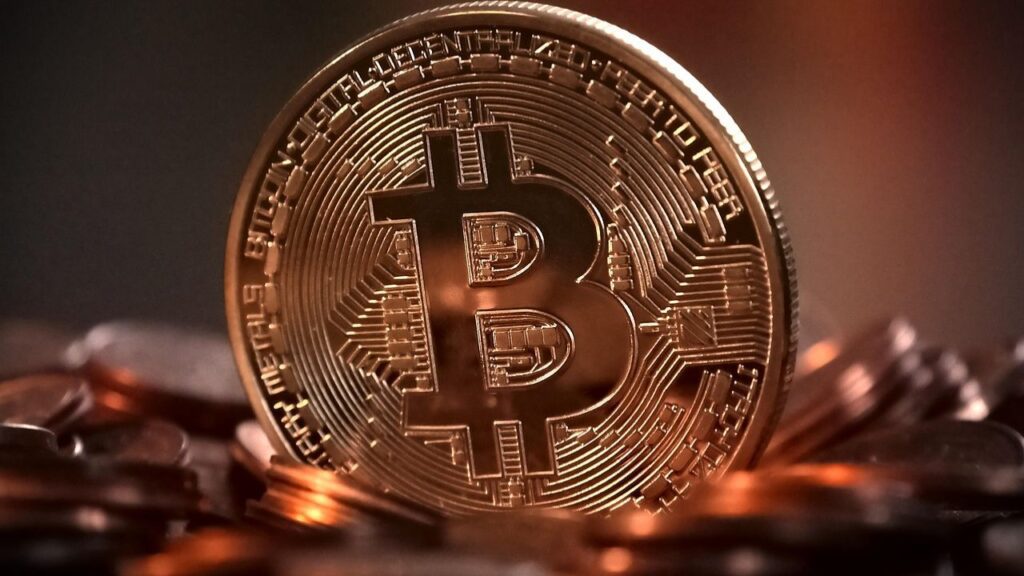
The global economic situation has a direct impact on the crypto market. Inflation, interest rates, and economic uncertainties determine the demand for digital assets. 2026 could be a turning point, as many experts expect monetary policy to ease. Falling interest rates make risky investments such as cryptocurrencies more attractive. In addition, Bitcoin is gaining importance as “digital gold.” More and more companies, such as MicroStrategy and Tesla, and even countries such as the US and the UK, are holding BTC as a reserve to hedge against currency devaluation and geopolitical risks. If the trend continues, it could significantly increase the acceptance and value of Bitcoin. You can also use Bitcoin to pay at online casino games .
Regulatory developments: ETFs and new laws
Regulation of the crypto market is progressing worldwide. The introduction of Bitcoin ETFs in the US has made it easier for institutional investors to access the market. Such funds allow large investors to invest in Bitcoin without directly purchasing coins. This could increase market liquidity and accelerate institutional adoption.
At the same time, governments are working on new legislation for the crypto sector. In the US, there are efforts to regulate stablecoins more clearly to better integrate them into the traditional financial system. The Clarity for Payment Stablecoins Act could create uniform standards for issuers and ensure their coverage by reserves. In Europe, a comprehensive set of rules has already been adopted with the Markets in Crypto-Assets Regulation (MiCAR). MiCAR sets clear requirements for crypto companies and regulates in particular, the issuance of stablecoins, security tokens, and other digital assets. This gives companies and investors more legal certainty while strengthening consumer protection and market stability. Decentralized finance (DeFi) platforms and stablecoins are under regulatory scrutiny worldwide as they challenge existing financial structures. The strictness of future measures could significantly impact the crypto market in 2025.
Technological innovations: scaling and AI integration
One problem with many blockchains is high fees and slow transactions. This is where so-called Layer 2 solutions such as Optimism, Arbitrum, and Base come into play. They help make transactions cheaper and faster by relieving the main blockchain. Instead of executing every single payment or interaction directly on the blockchain, many transactions are first collected on a faster additional layer (Layer 2) and then forwarded to the blockchain in batches. This maintains security and decentralization while making usage more efficient. In addition to these improvements, artificial intelligence (AI) is gaining importance in the blockchain world. For example, AI can make smart contracts—digital contracts that are executed automatically—smarter and more secure. It can also detect suspicious activity more quickly, thereby preventing fraud.
In the areas of decentralized financial services (DeFi) and blockchain gaming, AI is also giving rise to new applications that could further drive the crypto market in 2025. Artificial Superintelligence Alliance (FET) is developing autonomous AI agents that automate complex processes in the DeFi sector, such as lending or liquidity provision. Bittensor (TAO) enables the decentralized provision of computing power for AI models, thereby improving the scalability of AI-supported DeFi applications. Virtuals Protocol focuses on AI-driven AI agents that can independently perform complex tasks in digital environments, such as in Web3 applications and decentralized networks.
Which cryptocurrency to buy: A guide for beginners
Getting started in the crypto market can be overwhelming – countless coins, sharp price fluctuations, and complex technologies. But with the right strategy, you can make the most of the potential of cryptocurrencies. Our guide provides an overview of key criteria for crypto investments.
Long-term vs. short-term investments
Not all cryptocurrencies are suitable for every investment strategy. For long-term investments, it is best to focus on proven projects with stable development. Bitcoin (BTC), Ethereum (ETH), and Solana (SOL) are among the best known and have proven to be a solid foundation.
Bitcoin is often referred to as digital gold and serves as a store of value. Many institutions and countries hold BTC as a reserve.
Ethereum is the leading network for smart contracts. It forms the basis for many blockchain applications.