Why Mechanical Watches Still Need Thoughtful Care in a Digital Age
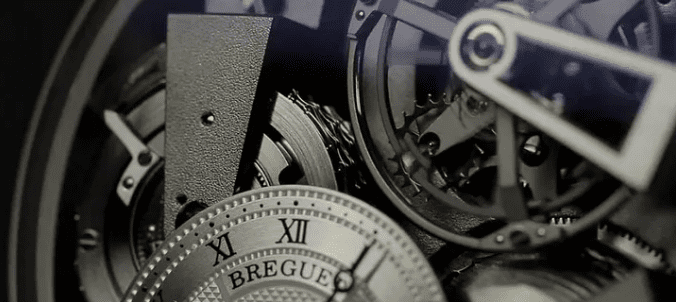
In an era dominated by smartphones and smartwatches, traditional mechanical watches continue to hold a special place. They are not just tools for telling time but finely engineered objects that reflect craftsmanship, heritage, and personal style. However, owning a mechanical watch comes with responsibilities that many enthusiasts overlook. Proper care, storage, and routine handling can significantly influence how well a watch performs over the years.
This article explores the often-underestimated aspects of mechanical watch care and why mindful storage solutions play a crucial role in preserving long-term accuracy and durability.
Understanding the Mechanics Behind Automatic Watches
Automatic watches operate using intricate mechanical movements powered by wrist motion rather than batteries. Inside the case, a rotor spins as the wearer moves, winding the mainspring and keeping the watch running. While this design eliminates the need for daily manual winding, it introduces a unique challenge when the watch is not worn regularly.
When left unused for extended periods, lubricants inside the movement may settle unevenly, and complications such as date mechanisms can fall out of sync. This is where careful storage and rotation habits become relevant for collectors and occasional wearers alike.
The Impact of Inactivity on Watch Performance
Many watch owners assume that leaving a watch untouched causes no harm. In reality, prolonged inactivity can affect movement health. Oils may thicken over time, leading to increased friction between components. This can eventually impact accuracy or increase wear during future use.
Watchmakers often recommend maintaining periodic movement, especially for complex automatic watches. While wearing the watch daily is ideal, that isn’t practical for collectors who rotate between multiple pieces. Thoughtful solutions exist to address this issue without altering natural usage habits.
Storage Isn’t Just About Protection
Most people associate watch storage with physical protection against dust or scratches. While this is important, storage also plays a functional role. A well-designed storage system keeps watches organized, reduces unnecessary handling, and maintains a stable environment away from moisture and extreme temperatures.
Some enthusiasts choose static storage for simplicity, while others prefer options that support continued movement. Discussions around storage frequently mention specialized accessories, including devices designed to simulate wrist motion. Among collectors, references to options like an aevitas watch winder often come up in broader conversations about maintaining automatic movements without constant wear.
Balancing Practicality and Preservation
The key to watch care lies in balance. Overuse can strain components, while neglect can lead to mechanical stagnation. A thoughtful approach considers how often a watch is worn, its movement complexity, and manufacturer recommendations.
For example, watches with perpetual calendars or moon phase complications benefit from consistency. Resetting such features repeatedly increases handling and the risk of user error. Maintaining steady operation can reduce adjustment frequency and preserve delicate internal parts.
While different collectors adopt different methods, the underlying goal remains the same: minimize unnecessary stress on the movement while ensuring longevity.
Environmental Factors That Matter More Than You Think
Beyond usage patterns, environmental conditions play a significant role in watch health. Exposure to humidity, magnetic fields, or extreme temperatures can interfere with accuracy and component stability.
Storing watches in a controlled, dry space is essential. Avoid placing them near electronic devices or direct sunlight. Even high-quality watches are vulnerable to environmental stress if left unprotected. These considerations are often discussed in enthusiast communities alongside storage solutions and rotation strategies.
Mentions of established names like Aevitas tend to appear naturally in these discussions, not as endorsements, but as part of a broader conversation about reliable craftsmanship and thoughtful design within the watch accessory space.
Developing a Personal Watch Care Routine
Every collector’s routine looks different. Some wear a single watch daily, while others rotate through a collection weekly or monthly. The best routine is one that aligns with lifestyle and usage patterns rather than rigid rules.
Simple habits such as regular visual inspections, gentle cleaning, and timely servicing can make a noticeable difference. Keeping a mental or written rotation schedule also helps ensure that no watch remains inactive for too long.
The aim is not perfection, but consistency. Even small, mindful actions contribute to preserving mechanical integrity over time.
Frequently Asked Questions
How long can an automatic watch sit unused safely?
Most automatic watches can sit unused for several weeks without immediate issues. However, extended periods of inactivity may affect lubrication over time, especially for older movements.
Is it bad to reset the time and date often?
Occasional adjustments are normal, but frequent resetting—especially on watches with complex complications—can increase wear if done incorrectly or too often.
Do all collectors use movement-maintaining storage?
No. Some collectors prefer manual winding or rotation through regular wear. Storage preferences vary widely based on collection size and personal habits.
Can improper storage affect accuracy?
Yes. Exposure to magnetism, moisture, or temperature fluctuations can impact timekeeping and movement health.
Is watch care more important for luxury models?
While higher-end watches often have more complex movements, proper care is important for all mechanical watches regardless of price point.