The Role of Color Temperature in Commercial Lighting Design
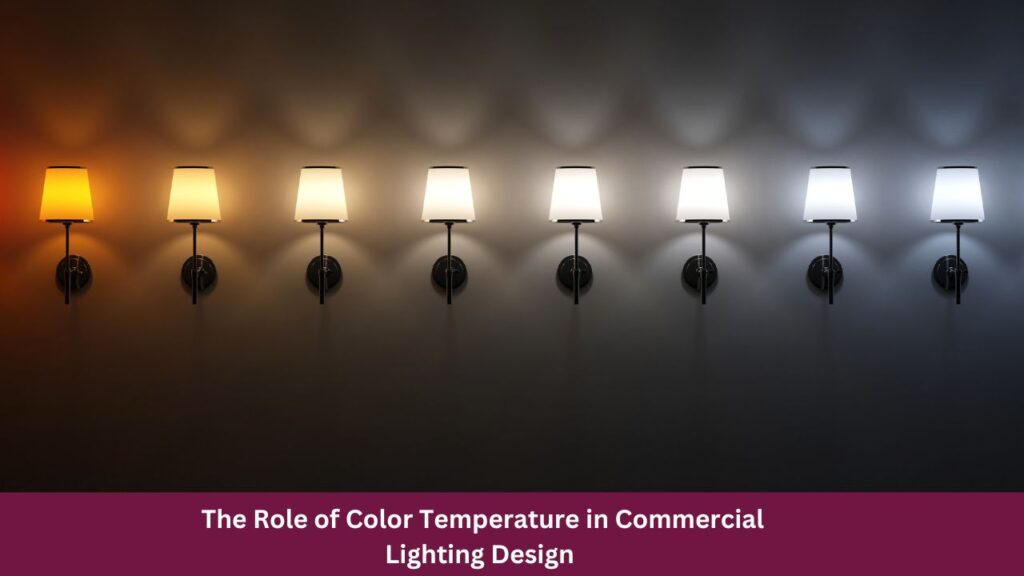
Lighting is a subtle yet powerful element in any commercial space. Beyond illuminating an area, it can shape moods, influence productivity, and even impact how a space is perceived. For architects, interior designers, and lighting engineers, understanding the role of color temperature in commercial lighting design is essential to achieving the right balance.
Curious about how color temperature impacts design decisions and the functionality of spaces? This blog unpacks the importance of color temperature, offers insights into its practical applications, and provides actionable best practices to elevate any commercial project.
Understanding Color Temperature
What is Color Temperature?
Color temperature refers to the warmth or coolness of a light source and is measured in Kelvin (K). Lower Kelvin values (2000-3000K) emit warm, yellowish light reminiscent of a cozy evening, while higher values (5000-6500K) create cool, bluish tones associated with daylight. These variations play a crucial role in shaping the ambiance of a space.
Impact of Color Temperature on Space Perception
Lighting directly influences how space feels and functions. Warmer tones establish inviting, relaxing environments—perfect for hospitality settings—while cooler tones are preferred for task-focused environments like offices. Striking a balance between functionality and aesthetics is key to effective commercial lighting design.
The Role of Color Temperature in Commercial Lighting Design
Crafting Ambiance and Establishing Mood
Color temperature is a tool for dictating the mood of a commercial space. A restaurant might use warm lighting to create an intimate dining experience, whereas a high-end boutique might favor neutral tones (3500-4000K) to ensure products are showcased in their truest colors.
Consider this scenario in Auckland, where Method Electrical revamped a retail environment using layered lighting and varying color temperatures. By pairing warmer accent lighting with cooler general lighting, they successfully transformed the store into a visually dynamic and inviting space.
Enhancing Productivity in Work Environments
The productivity and well-being of employees are directly impacted by lighting. Studies have shown that cool lighting (5000-6500K), which mimics daylight, enhances focus and alertness, making it ideal for offices and retail environments. Emergency electricians in Auckland often prioritize these factors when ensuring adequate lighting for commercial clients, demonstrating how color temperature can align with occupational needs.
Implementing Color Temperature in Different Commercial Spaces
Retail Environments
Warm lighting encourages customers to linger, while cooler, more balanced lighting highlights product features. Retailers often experiment with blends of warm and neutral tones to create a shopping environment that is both calming and product-focused.
Offices and Workspaces
For workspaces, cool white light (4000-5000K) is the gold standard for maintaining energy and reducing fatigue. Task lighting ensures individual workstations are optimized, while ambient lighting contributes to overall efficiency.
Hospitality and Restaurants
Whether it’s creating an elegant restaurant setting or a cozy corner in a café, warm lighting (2700-3000K) enhances customer experiences and fosters a sense of comfort. Restaurants often turn to experts like Method Electrical to implement strategic lighting designs that balance practicality and aesthetic appeal.
Best Practices in Commercial Lighting Design
- Integrate Natural and Artificial Lighting
Prioritize spaces that allow natural light to complement artificial light sources. For example, pairing daylight with warmer artificial tones can create a balanced and adaptive ambiance.
- Consider Function and Feel
Every space has a purpose, and its lighting should reflect that. While an office might benefit from cooler task lighting, communal areas work well with warmer tones to encourage social interaction.
- Use Lighting Controls for Flexibility
Install adaptable systems like dimmers or smart lighting controls that allow users to adjust color temperature based on changing needs. This flexibility is especially vital for multipurpose spaces.
Conclusion
The role of color temperature in commercial lighting design cannot be overstated. From shaping mood and aesthetic appeal to improving productivity and customer satisfaction, this element is critical in modern design practices. For architects, interior designers, and lighting engineers, the challenge lies in marrying functionality with artistry. By working with seasoned professionals like Method Electrical or consulting emergency electricians in Auckland, you can craft spaces that leave lasting impressions.