Choosing the Right Waterproofing Method for Your Basement
A well-maintained basement is essential for a home’s longevity and structural integrity, but excess moisture poses a constant threat. Without proper basement waterproofing, homes are vulnerable to mold growth, foundation damage, and costly repairs. With multiple waterproofing methods available, choosing the right approach depends on factors such as soil conditions, drainage systems, and the extent of existing foundation issues. This guide explores various waterproofing techniques, their benefits, and how they contribute to long-term foundation repair and stability.
Why Basement Waterproofing Is Essential
Water infiltration in a basement can lead to severe structural problems if left unchecked. The key reasons for waterproofing include:
- Preventing Foundation Damage: Excess moisture weakens concrete and accelerates cracks, necessitating foundation repair.
- Controlling Mold and Mildew Growth: Damp conditions foster mold growth, which negatively impacts air quality and can lead to health issues.
- Avoiding Costly Repairs: Addressing moisture problems early prevents expensive structural and basement restorations.
- Protecting Home Value: A dry basement increases property value and ensures long-term durability.
Understanding Common Waterproofing Problems
Before selecting a waterproofing method, homeowners should identify the primary sources of basement moisture. The most common issues include:
- Hydrostatic Pressure: Water accumulation around the foundation exerts pressure on basement walls, causing cracks and leaks.
- Surface Water Accumulation: Improper drainage causes rainwater to pool near the foundation, increasing the risk of infiltration.
- Condensation Issues: Humidity buildup inside the basement leads to damp walls and musty odors.
- Soil Expansion and Contraction: Clay-heavy soil absorbs water, expanding and putting pressure on basement walls before shrinking during dry conditions.
Types of Basement Waterproofing Methods
There are three main categories of basement waterproofing: interior, exterior, and drainage-based solutions. Each approach has its advantages depending on the severity of moisture issues.
1. Exterior Basement Waterproofing
Exterior waterproofing focuses on preventing water from penetrating basement walls in the first place. This method is highly effective for long-term protection but requires excavation and professional installation.
Techniques Used:
- Waterproof Membranes: A rubberized membrane is applied to exterior foundation walls to create a waterproof barrier.
- Exterior Drainage Systems: French drains or weeping tiles are installed around the foundation to channel water away from the home.
- Proper Grading and Landscaping: Ensuring the ground slopes away from the foundation minimizes water pooling near basement walls.
Pros: ✔ Provides long-term protection against water infiltration. ✔ Reduces hydrostatic pressure on basement walls. ✔ Prevents foundation cracks caused by soil movement.
Cons: ✖ Requires excavation, which can be disruptive and costly. ✖ Not always feasible for older homes with complex landscaping or neighboring structures.
2. Interior Basement Waterproofing
Interior waterproofing focuses on managing water that has already entered the basement rather than preventing it from getting in. This method is typically used in homes where exterior waterproofing is impractical.
Techniques Used:
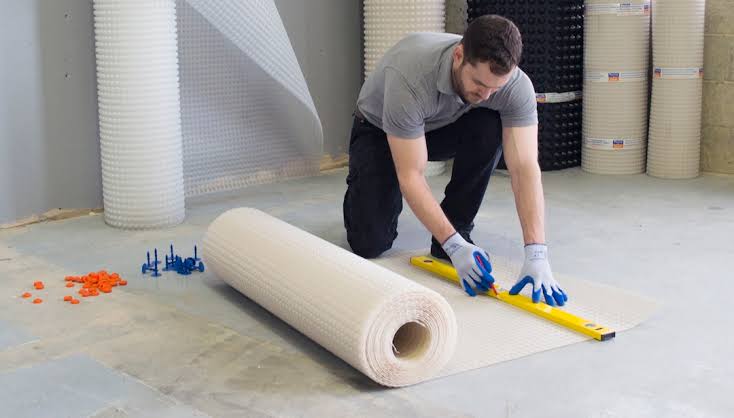
- Waterproof Sealants and Coatings: Special coatings are applied to interior basement walls to block moisture seepage.
- Interior Drainage Systems: French drains or sump pumps are installed inside the basement to collect and redirect water.
- Vapor Barriers: Plastic sheeting is used to prevent condensation and reduce humidity inside basement walls.
Pros: ✔ Cost-effective compared to exterior waterproofing. ✔ Requires less structural disruption since excavation is not needed. ✔ Can be combined with dehumidifiers for better moisture control.
Cons: ✖ Does not prevent water from entering basement walls—only manages its effects. ✖ Not a permanent solution if the exterior foundation issues are severe.
3. Drainage-Based Waterproofing Solutions
Effective drainage systems are critical in managing water levels around a foundation and preventing moisture buildup inside the basement.
Techniques Used:
- French Drains: Underground pipes with perforations that collect and redirect excess groundwater away from the foundation.
- Sump Pumps: Pumps installed in basement floors that remove accumulated water and discharge it safely outside.
- Gutter and Downspout Extensions: Directs roof water away from the foundation, reducing surface water accumulation.
Pros: ✔ Can be used alongside exterior and interior waterproofing methods. ✔ Prevents hydrostatic pressure buildup that leads to wall cracks and basement leaks. ✔ Highly effective for homes with high water tables or frequent heavy rain.
Cons: ✖ Requires regular maintenance to ensure drains and pumps function properly. ✖ May not resolve all moisture-related foundation problems if soil conditions are highly expansive.
When to Consider Foundation Repair Alongside Waterproofing
If a basement is already showing signs of structural damage, waterproofing alone may not be enough. Homeowners should consider foundation repair if they notice:
- Significant cracks in basement walls or floors.
- Bowing or shifting basement walls due to excessive hydrostatic pressure.
- Persistent water leaks despite prior waterproofing efforts.
- Signs of soil erosion or settlement affecting the foundation’s stability.
In cases of severe structural compromise, basement underpinning may be necessary to strengthen and stabilize the foundation before applying waterproofing solutions.
Choosing the Right Waterproofing Approach
Selecting the right waterproofing method depends on several factors, including:
- The severity of basement moisture issues.
- The type of soil surrounding the home and its water retention properties.
- The home’s existing drainage system and whether improvements are needed.
- Budget constraints and the level of structural disruption homeowners are willing to accept.
For minor moisture problems, interior waterproofing and drainage solutions may be sufficient. However, for long-term protection against foundation repair needs, exterior waterproofing and comprehensive drainage improvements provide the best defense.
How FoundationGuard Helps Homeowners Protect Their Basements
Waterproofing a basement is a long-term investment that requires expert knowledge and proper implementation. FoundationGuard specializes in basement waterproofing, foundation repair, and basement underpinning, offering tailored solutions to ensure every home remains structurally sound and moisture-free. Whether addressing minor leaks or major foundation concerns, professional expertise ensures effective waterproofing results.
Conclusion
Choosing the right basement waterproofing method depends on the specific moisture challenges a home faces. While exterior solutions provide the best long-term protection, interior and drainage-based waterproofing methods can offer effective alternatives for managing basement moisture. By implementing the correct waterproofing approach and addressing foundation concerns early, homeowners can safeguard their property from costly damage and ensure a dry, stable foundation for years to come.