Water Proofing Membrane: The Ultimate Protection Against Water Damage

Water damage is one of the most common — and costly — issues faced by homeowners and builders. Whether it’s a balcony, bathroom, basement, or rooftop, moisture can find its way into the smallest cracks, causing structural deterioration, mold growth, and expensive repairs.
One of the most effective ways to prevent this is by using a water proofing membrane. In this post, we’ll explore what it is, why it’s essential, and how to choose the right one for your project.
What is a Water Proofing Membrane?
A water proofing membrane is a protective barrier designed to prevent water from penetrating surfaces. It can be applied to various structures, including floors, walls, and roofs, to protect against moisture infiltration.
There are two main types:
- Liquid-applied membranes – applied with a brush, roller, or spray to form a seamless layer.
- Sheet membranes – pre-formed rolls or sheets that are applied to surfaces and sealed at the joints.
Both types have their advantages, but the right choice depends on the application, budget, and environmental conditions.
Why You Need a Water Proofing Membrane
Water damage is not always visible until it’s too late. By the time you notice damp patches, peeling paint, or mold, the underlying structure may already be compromised. Using a water proofing membrane offers:
- Complete Moisture Protection – Stops leaks and seepage.
- Long-Term Durability – Extends the lifespan of your building.
- Structural Integrity – Prevents cracks and material breakdown.
- Mould and Mildew Prevention – Improves indoor air quality.
- Cost Savings – Reduces future repair and maintenance expenses.
Applications of Waterproofing Membranes
These membranes are highly versatile and can be used in:
- Bathrooms & Wet Areas – Keeps moisture from damaging floors and walls.
- Balconies & Terraces – Protects against rain and pooling water.
- Basements – Prevents groundwater seepage.
- Roofs – Shields against rain, snow, and UV damage.
- Swimming Pools – Creates a leak-proof barrier.
Choosing the Right Membrane for Your Project
When selecting a membrane, consider:
- Durability – Should withstand environmental stress.
- Flexibility – Adapts to building movement without cracking.
- Ease of Installation – Saves time and reduces errors.
- Compatibility – Must work with your chosen surface and finishes.
- Waterproofing Standard Compliance – Ensure it meets Australian building codes.
If you’re looking for high-quality, reliable options, A-Tech Products offers a wide range of waterproofing membranes designed for different applications and environments. From sheet membranes for balconies to liquid membranes for bathrooms, there’s a solution for every project.
Installation Tips for Best Results
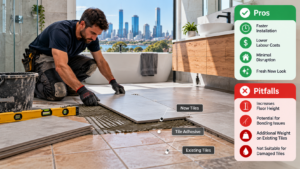
- Surface Preparation – Ensure the surface is clean, dry, and smooth.
- Follow Manufacturer Guidelines – Every membrane has specific application methods.
- Seal Joints Properly – Overlap or bond correctly to prevent weak points.
- Test for Leaks – Perform a water test before applying finishes.
- Regular Maintenance – Inspect periodically to ensure ongoing protection.
Common Mistakes to Avoid
- Using low-quality or non-certified products.
- Skipping primer when required.
- Applying on damp or dirty surfaces.
- Ignoring expansion joints and corners.
Final Thoughts
A water proofing membrane is a small investment that can save you from massive repair bills and safety hazards down the line. Whether you’re building new, renovating, or repairing, choosing a premium membrane ensures your home or commercial property stays protected for decades.
With the right product and proper installation, you can enjoy peace of mind knowing that water damage won’t be an issue.