Heat Pumps vs. Traditional Heating: A Comprehensive Comparison
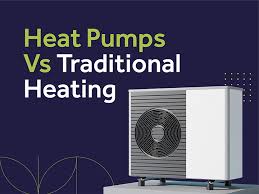
Homeowners looking for an efficient way to heat their homes often find themselves choosing between a heat pump and a traditional heating system like a furnace or boiler. Each system has distinct advantages and disadvantages, making it important to understand how they work, their efficiency, installation costs, and long-term benefits. The right choice depends on factors such as climate, energy costs, and home heating needs.
Heat pumps have gained popularity due to their energy efficiency and dual functionality, providing both heating and cooling in a single unit. Traditional heating systems, such as furnaces and boilers, remain reliable choices for colder climates where consistent heating is necessary. While both options are effective, the best choice varies depending on the specific needs of the home.
Climate Systems Air Conditioning & Heating helps homeowners navigate the decision between heat pumps and traditional heating. Comparing the pros and cons of each system can make it easier to determine which heating method is best suited for your home and budget.
1. How Heat Pumps and Traditional Heating Systems Work
Understanding how each system generates heat can provide insight into their efficiency and suitability for different climates.
Heat Pumps
A heat pump operates by transferring heat rather than generating it. In winter, it extracts warmth from the outdoor air (even in cold temperatures) and moves it indoors. In summer, the process reverses, providing air conditioning.
- Heat Source: Outdoor air or ground heat.
- Energy Efficiency: Uses electricity to transfer heat rather than create it, making it highly efficient.
- Functionality: Provides both heating and cooling in one system.
Traditional Heating Systems
Traditional systems, such as furnaces and boilers, create heat using fuel or electricity. Furnaces use combustion to heat air and distribute it through ducts, while boilers heat water and circulate it through radiators or underfloor systems.
- Heat Source: Natural gas, propane, oil, or electricity.
- Energy Efficiency: Varies by fuel type; modern high-efficiency models can be very effective.
- Functionality: Primarily for heating; separate systems are required for cooling.
2. Energy Efficiency and Operating Costs
Energy efficiency plays a crucial role in choosing a heating system, as it affects both utility bills and environmental impact.
Heat Pump Efficiency
- Uses electricity to move heat rather than generate it, consuming significantly less energy than traditional heating systems.
- A high-efficiency heat pump can provide three times more heat energy than the electricity it consumes.
- In mild climates, heat pumps operate far more efficiently than gas or electric furnaces.
Traditional Heating Efficiency
- High-efficiency furnaces and boilers can achieve 95%+ AFUE (Annual Fuel Utilization Efficiency) ratings, meaning they convert almost all fuel into heat.
- Gas furnaces tend to have lower operating costs in areas with cheap natural gas.
- Electric furnaces and boilers cost more to run compared to heat pumps but are more effective in extreme cold.
Verdict: Heat pumps are generally more energy-efficient, but in very cold climates, high-efficiency furnaces or boilers may perform better.
3. Climate Suitability
Different heating systems perform better in different climates, making climate a major consideration when choosing a system.
Heat Pumps Work Best In:
- Mild to moderate winters, where temperatures rarely drop below freezing for extended periods.
- Homes that need both heating and cooling without installing separate systems.
- Areas with high electricity costs but lower fuel costs, as heat pumps use less energy than electric furnaces.
Traditional Heating Works Best In:
- Extremely cold regions, where freezing temperatures make heat pumps less efficient.
- Homes that require constant, high-output heating in winter.
- Areas with affordable natural gas, making furnaces a cost-effective option.
Verdict: Heat pumps are ideal for moderate climates, while traditional heating systems are better suited for colder regions.
4. Installation and Upfront Costs
Installation costs depend on the type of heating system, home size, and whether ductwork or additional infrastructure is needed.
Heat Pump Installation Costs
- Typically higher upfront costs than furnaces but lower than full boiler systems.
- Requires outdoor and indoor components, which may involve more labor.
- May need additional heating support in extremely cold climates, increasing overall costs.
Traditional Heating Installation Costs
- Furnaces tend to have lower initial costs, especially if ducts are already installed.
- Boilers require extensive piping, making installation more expensive.
- Some older homes lack ductwork, requiring additional investment for a furnace installation.
Verdict: Heat pumps cost more upfront but save on long-term energy expenses, while furnaces and boilers can be cheaper to install but cost more to operate.
5. Maintenance and Longevity
Regular maintenance ensures any heating system operates efficiently and lasts as long as possible.
Heat Pump Maintenance and Lifespan
- Requires twice-yearly maintenance since it runs year-round for both heating and cooling.
- Components such as compressors and refrigerant lines may need repairs over time.
- Average lifespan: 10–15 years with proper care.
Traditional Heating Maintenance and Lifespan
- Furnaces require annual inspections, filter changes, and occasional part replacements.
- Boilers need periodic flushing and safety checks for leaks or pressure issues.
- Average lifespan: 15–30 years, depending on the system type and maintenance.
Verdict: Traditional heating systems typically last longer, but heat pumps require more frequent servicing due to year-round operation.
6. Environmental Impact
Homeowners concerned about sustainability may prefer heating systems that reduce carbon emissions and energy waste.
Heat Pump Environmental Benefits
- Uses less energy than traditional heating systems, reducing carbon footprints.
- Modern geothermal heat pumps use underground temperatures for ultra-efficient heating.
- Avoids fossil fuel combustion, making it a cleaner energy option.
Traditional Heating Environmental Impact
- Gas furnaces and boilers emit greenhouse gases, contributing to environmental impact.
- Some systems use eco-friendly fuel options, such as biodiesel for boilers.
- High-efficiency models minimize waste, but they still rely on fuel consumption.
Verdict: Heat pumps are more environmentally friendly, particularly in areas where electricity comes from renewable sources.
7. Which System Is Best for Your Home?
Choosing between a heat pump and a traditional heating system depends on a homeowner’s climate, budget, and efficiency preferences.
Choose a Heat Pump If:
✔ You live in a moderate climate with mild winters.
✔ You want both heating and cooling in one system.
✔ You prioritize lower energy bills and environmental benefits.
Choose a Traditional Heating System If:
✔ You live in an area with harsh winters that requires strong heating output.
✔ Your home already has gas lines or a boiler system in place.
✔ You prefer a longer-lasting system with fewer maintenance needs.
Final Thoughts
Both heat pumps and traditional heating systems have their advantages, making it important to choose a system based on climate, budget, and home heating requirements. While heat pumps offer energy efficiency and year-round comfort, traditional heating systems provide reliable warmth in extremely cold conditions.
For homeowners unsure of the best option, working with a knowledgeable professional can provide clarity. Climate Systems Air Conditioning & Heating helps homeowners determine the most efficient and cost-effective heating solution for their needs, ensuring comfort and savings throughout the year.