The Future of Roofing: How Innovations Are Shaping Tomorrow’s Homes
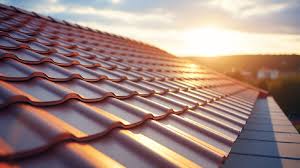
Roofing technology is advancing rapidly, transforming how homeowners think about durability, efficiency, and sustainability. As construction materials evolve and energy concerns grow, the roofing industry continues to adapt with new solutions that provide enhanced protection, increased longevity, and greater energy savings. From self-healing materials to integrated solar technology, the future of roofing is defined by smart solutions that improve home performance while minimizing environmental impact.
This article explores the most promising advancements in roofing technology, their benefits, and how homeowners can prepare for the next generation of roofing solutions.
1. Self-Healing Roofing Materials: The Next Step in Durability
One of the most groundbreaking innovations in roofing technology is the development of self-healing materials that can repair minor damages on their own. These materials use microcapsules filled with polymers or bio-based agents that are released when damage occurs, sealing cracks and preventing further deterioration.
Benefits of Self-Healing Roofs:
- Extended Lifespan: Reduces the need for frequent repairs and extends the life of roofing materials.
- Lower Maintenance Costs: Homeowners save money on minor fixes that would typically require professional repair.
- Improved Weather Resistance: These materials can withstand extreme weather conditions without significant wear.
As manufacturers refine self-healing technology, future roofing materials could eliminate the need for regular patching and extend the service life of a roof by decades.
2. Solar Roofing Integration: Merging Aesthetics with Energy Efficiency
The push for renewable energy has led to significant advancements in solar-integrated roofing. Unlike traditional solar panels mounted on top of existing roofs, modern solar shingles and photovoltaic roofing materials blend seamlessly with standard roofing designs.
Key Features of Solar Roofing Technology:
- Aesthetic Appeal: Solar shingles resemble traditional asphalt shingles while generating electricity.
- Energy Independence: Homeowners can reduce reliance on the electrical grid and lower energy costs.
- Tax Incentives and Rebates: Many governments offer financial incentives for solar adoption, making it an attractive investment.
As efficiency improves and costs decrease, solar-integrated roofing is expected to become a standard feature in modern home design.
3. Smart Roofing Systems: AI and Sensor-Based Monitoring
Artificial intelligence and smart sensors are revolutionizing roofing maintenance, allowing homeowners to detect issues before they become costly problems. These systems use embedded sensors that monitor temperature, moisture levels, and structural integrity in real time.
Advantages of Smart Roofing Systems:
- Early Leak Detection: Prevents water damage by identifying potential weak spots before they fail.
- Automated Ventilation Adjustments: Smart vents regulate attic temperature and humidity, optimizing energy efficiency.
- Real-Time Alerts: Homeowners receive notifications on their smartphones about roofing conditions and necessary maintenance.
With continued advancements in AI and the Internet of Things (IoT), smart roofing systems will become an essential part of modern home management.
4. Green Roofs and Living Roof Technology
Sustainability is a major focus in the construction industry, and green roofs—also known as living roofs—are gaining popularity as eco-friendly alternatives. These roofs incorporate layers of vegetation, providing natural insulation, stormwater management, and air purification benefits.
Benefits of Green Roofs:
- Improved Energy Efficiency: Acts as natural insulation, reducing heating and cooling costs.
- Stormwater Management: Absorbs rainwater, reducing runoff and minimizing flooding risks.
- Air Quality Enhancement: Filters pollutants from the air, creating a healthier environment.
While green roofs require specific structural support, they offer long-term environmental and financial benefits, making them a viable option for sustainable homes.
5. Lightweight and High-Strength Roofing Materials
Traditional roofing materials like asphalt and concrete tiles are being replaced with advanced composites that offer high durability with lower weight. These materials, such as carbon fiber and reinforced polymers, provide better impact resistance and increased lifespan while reducing stress on the home’s structure.
Advantages of Lightweight Roofing Materials:
- Reduced Structural Load: Ideal for homes in areas prone to seismic activity or extreme weather.
- Increased Lifespan: Resists cracking, warping, and weather-related deterioration.
- Easier Installation: Requires less labor and time to install compared to heavier traditional materials.
Lightweight roofing materials are expected to dominate the market in the coming years as they offer a combination of strength, efficiency, and longevity.
6. Cool Roof Technology for Climate Adaptation
Cool roofing technology is designed to reflect more sunlight and absorb less heat, making homes more comfortable and energy-efficient. By utilizing reflective coatings and light-colored materials, cool roofs help reduce urban heat island effects and improve indoor comfort.
Cool Roof Benefits:
- Lower Energy Bills: Reduces the need for air conditioning in warm climates.
- Extended Roof Lifespan: Prevents heat-related wear and tear on roofing materials.
- Environmental Impact: Lowers greenhouse gas emissions by decreasing energy consumption.
With climate change driving demand for heat-resistant building materials, cool roofs are becoming an increasingly popular choice for homeowners and commercial buildings alike.
7. Roofing Materials with Built-In Air Purification
Innovative roofing materials now incorporate air-purifying properties that reduce environmental pollutants. Titanium dioxide-coated roofing tiles and shingles actively break down harmful airborne chemicals, improving air quality in urban areas.
How Air-Purifying Roofs Work:
- Photocatalytic Reactions: Uses sunlight to neutralize pollutants like nitrogen oxides and volatile organic compounds.
- Low Maintenance: Functions continuously without requiring additional energy or upkeep.
- Community-Wide Benefits: When widely adopted, these roofs can significantly reduce citywide air pollution.
Air-purifying roofing technology is still in its early stages, but its potential to improve environmental health makes it a promising development in the industry.
8. Fire-Resistant Roofing for Wildfire Protection
With the increasing threat of wildfires, fire-resistant roofing materials are becoming a priority for homeowners in high-risk regions. Innovations in flame-resistant shingles and metal roofing help prevent ignition and slow the spread of fire.
Fire-Resistant Roofing Options:
- Class A Fire-Rated Shingles: Asphalt shingles with special fire-resistant coatings.
- Metal Roofing: Naturally fireproof and highly durable.
- Clay and Concrete Tiles: Non-combustible materials that provide superior fire resistance.
As wildfires become more frequent, advancements in fire-resistant roofing will play a crucial role in protecting homes from destruction.
9. Modular Roofing Systems for Quick Installation
Modular roofing solutions are gaining traction as they allow for faster, more efficient roof installations. These pre-fabricated systems come in pre-assembled sections, reducing construction time and costs.
Benefits of Modular Roofing:
- Rapid Installation: Reduces labor costs and minimizes disruption for homeowners.
- Precision Manufacturing: Ensures high-quality assembly with fewer installation errors.
- Customizable Designs: Offers flexibility in aesthetics and functionality.
Modular roofing systems are particularly beneficial for commercial and emergency housing projects where quick deployment is essential.
10. The Role of Professional Roofing Contractors in Future Innovations
While roofing technology is advancing, proper installation and maintenance remain critical to ensuring these innovations perform as intended. Roofing professionals play an essential role in integrating new materials, using best practices, and educating homeowners on the benefits of cutting-edge solutions.
Class Roofing stays ahead of industry advancements by incorporating modern techniques, high-performance materials, and expert craftsmanship. Whether installing energy-efficient roofs, fire-resistant materials, or smart monitoring systems, Class Roofing ensures homeowners receive the best solutions for long-term protection and value.
Conclusion
The future of roofing is evolving with smarter, stronger, and more sustainable solutions. From self-healing materials and solar integration to air-purifying tiles and fire-resistant designs, homeowners now have access to innovative technologies that enhance durability, efficiency, and environmental impact. As these advancements become mainstream, working with industry professionals like Class Roofing will ensure seamless adoption of the latest roofing innovations, securing the longevity and resilience of modern homes.