Warm Homes, Smart Choices: Comparing Hydronic Heating to Other Systems
Introduction
Choosing the right heating system is crucial for creating a comfortable and energy-efficient home. With colder months around the corner, homeowners and DIY enthusiasts alike are searching for the best options to keep their homes warm. But with so many choices available, how do you decide which system is right for you? Today, we’re comparing hydronic heating to other heating systems with expert insights from Eckermann Plumbing. You’ll learn the ins and outs of different heating options, helping you make an informed decision.
Understanding Hydronic Heating
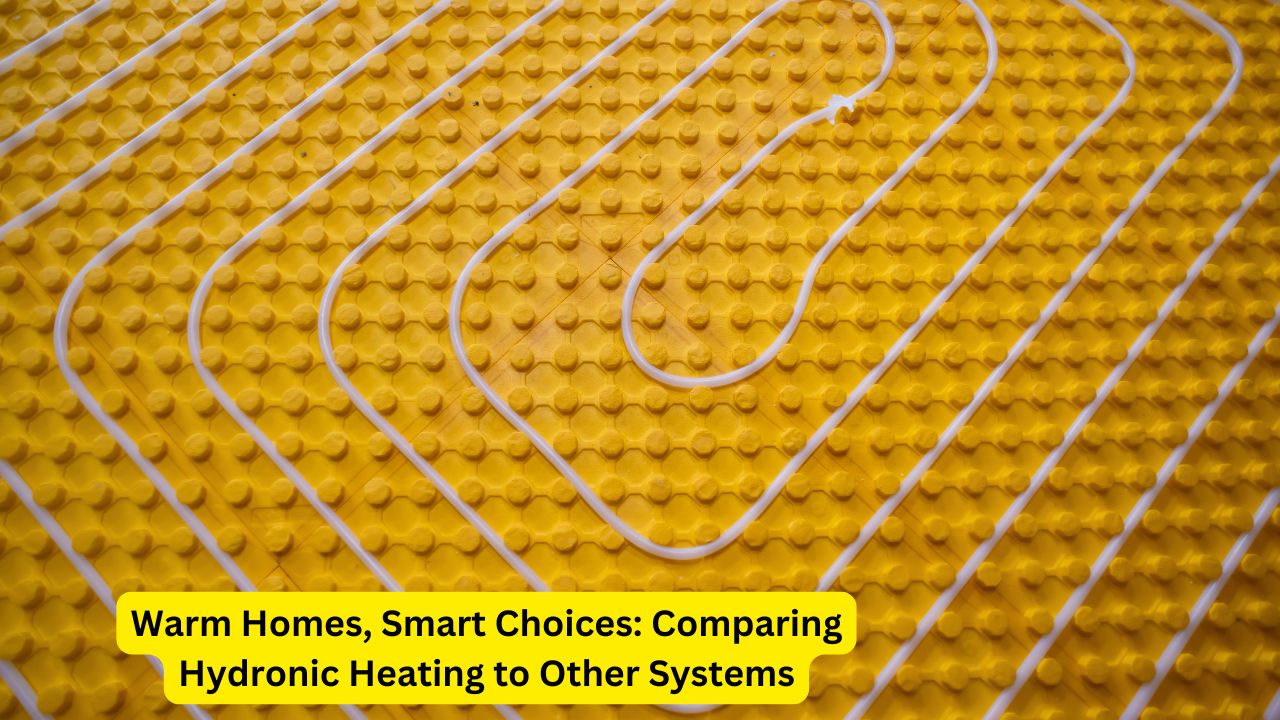
Hydronic heating systems use water to transfer heat through a network of pipes installed beneath floors or within walls. These systems can be powered by various sources, including gas boilers, electric heaters, or even solar panels. The water is heated and circulated, evenly distributing warmth throughout the home.
One major advantage of hydronic heating is its efficiency. Because water retains heat more effectively than air, these systems can maintain a comfortable temperature with less energy. Additionally, hydronic heating provides a consistent and even heat distribution, eliminating the hot and cold spots often experienced with forced air systems.
However, hydronic heating does have its drawbacks. Installation can be more complex and costly compared to other systems. It also requires regular maintenance to ensure optimal performance. Despite these challenges, hydronic systems are particularly well-suited for homes in colder climates or those aiming for energy efficiency.
Comparison with Traditional Heating Systems
When comparing hydronic heating to forced air heating systems, the differences become clear. Forced air systems, which include electric and gas furnaces, blow heated air through ducts and vents. While these systems are generally less expensive to install, they can be less efficient. Air leaks in ducts reduce the overall effectiveness, and the systems can create uneven heating and drafty conditions.
In terms of energy efficiency, hydronic heating systems often come out on top. Water-based systems require less energy to maintain warmth, translating to lower utility bills. Additionally, hydronic systems produce fewer airborne particles, making them better for indoor air quality. This is a significant consideration for eco-conscious consumers seeking to minimize their environmental footprint.
DIY vs. Professional Installation
For those considering installing a hydronic heating system, it’s essential to understand the complexity involved. While some experienced DIY enthusiasts might tackle the project, professional installation is often recommended. Installing a hydronic system requires knowledge of plumbing, electrical work, and HVAC systems, making it a challenging task for the untrained.
Professional installation ensures the system is set up correctly, reducing the risk of issues down the line. Companies like Eckermann Plumbing offer expertise in hydronic heating installations, providing peace of mind for homeowners. They can also offer guidance on selecting the right system for your specific needs and home layout.
For DIY enthusiasts determined to take on the project, there are resources and guides available. However, it’s crucial to weigh the risks and benefits. Mistakes during installation can be costly and time-consuming to fix. Consulting with a professional, even for advice, can be a valuable step in the process.
Maintenance and Long-Term Benefits
Maintaining a hydronic heating system is essential to ensure its efficiency and longevity. Regular maintenance includes checking for leaks, ensuring proper water levels, and flushing the system to remove any build-up. While this might sound daunting, the long-term benefits make it worthwhile.
Hydronic heating systems generally have a longer lifespan compared to forced air systems. With proper maintenance, they can last up to 30 years or more. This longevity, coupled with energy savings, makes hydronic systems a smart investment for homeowners planning to stay in their homes long-term.
Conclusion
Comparing hydronic heating to other heating systems highlights several key advantages. From energy efficiency and even heat distribution to long-term cost savings and environmental benefits, hydronic systems offer compelling reasons to consider them for your home. While the initial investment and installation complexity can be higher, the payoff in comfort and savings can be significant.