The Future of Hydronic Heating – Smart Technologies on the Horizon
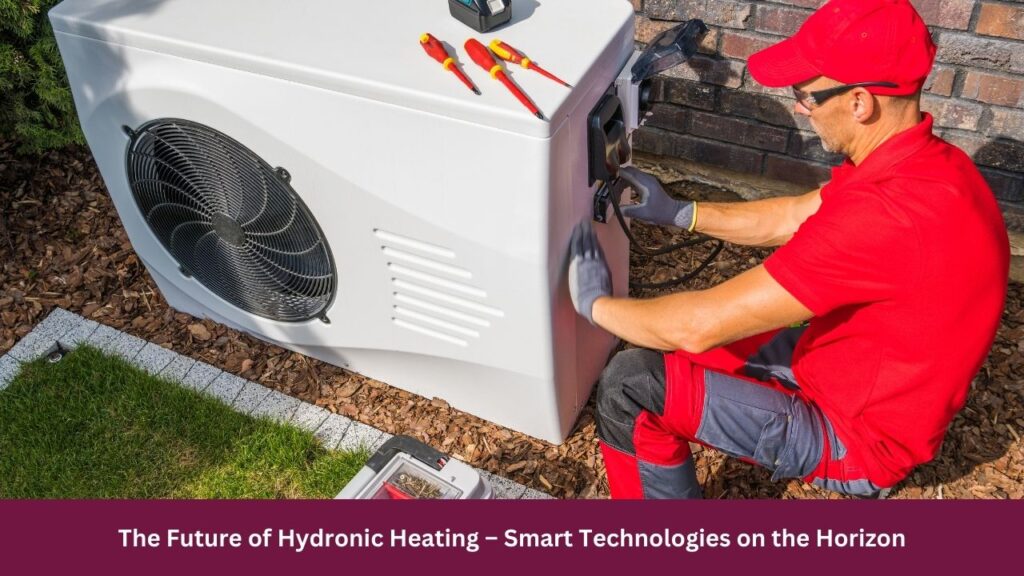
When it comes to heating commercial buildings or large-scale facilities like schools, hydronic heating systems have long been the gold standard. Known for their efficiency and ability to evenly distribute warmth, these systems are widely used in settings where creating a comfortable, climate-controlled environment is essential.
However, as technologies evolve and sustainability takes center stage, hydronic heating systems are no exception to innovation. Smart technologies are shaping the future of these reliable systems, making them more efficient, cost-effective, and easier to manage. This blog explores the evolution and future of hydronic heating, spotlighting smart technologies that are revolutionizing the industry.
What Is Hydronic Heating and Why Is It Important?
Hydronic heating is a method of heat distribution that uses water or another liquid as a medium to transfer warmth throughout a space. Unlike forced air systems that rely on ductwork and blowers, hydronic systems move heated water through a network of pipes to radiators, baseboards, or underfloor tubing. The result? Quiet, even, and dust-free heating that is ideal for large facilities.
The importance of hydronic heating has only grown in the last few decades, especially in commercial settings. With its energy efficiency and ability to maintain consistent indoor temperatures, it has become the preferred heating option for schools, office buildings, and industrial facilities.
The Evolution of Hydronic Heating Systems
Traditional hydronic heating systems have already proven their worth, but like many aspects of facility management, they are undergoing a digital transformation. Basic setups are now being replaced with advanced, smart systems that leverage IoT (Internet of Things), AI, and data analytics.
Here’s how hydronic heating has evolved over the years:
- Historical Systems: Early hydronic systems were primarily manual, requiring frequent checks and manual adjustments by facility managers.
- Programmable Units: The integration of programmable thermostats was a significant step forward, allowing users to set heating schedules and temperatures in advance.
- Smart Technology Today: Modern hydronic heating systems are now equipped with sensors, intelligent controls, and real-time monitoring capabilities that enhance both performance and user convenience.
Benefits of Smart Hydronic Heating Systems
Switching to a smart hydronic heating system can bring a myriad of benefits for facility managers, school administrators, and HVAC professionals:
Efficient Maintenance and Management
Smart hydronic systems can provide real-time data about water temperatures, pipe conditions, and system performance. This minimizes the need for manual checks and enables predictive maintenance. Facility managers can identify and address issues before they become costly repairs.
Enhanced Energy Efficiency
Energy efficiency is a key selling point for smart hydronic heating systems. By using intelligent controls and analytics, these systems only operate when and where heating is needed, reducing energy wastage. For example, smart sensors can detect when a space is unoccupied and lower the temperature to conserve energy.
Cost Savings
While the upfront cost of upgrading to a smart system can be intimidating, the long-term savings are undeniable. Reduced energy consumption directly translates to lower utility bills, while minimized maintenance cuts down on repair costs. Over time, these factors make smart hydronic heating a cost-effective investment.
Environmental Sustainability
For organizations aiming to reduce their carbon footprint, smart hydronic heating is a step in the right direction. By optimizing energy usage, these systems help lower greenhouse gas emissions, aligning with sustainability goals.
Eckermann Plumbing—Your Hydronic Heating Experts
For those ready to take the leap into smart hydronic technology, Eckermann Plumbing is a trusted partner in the industry. With decades of experience, Eckermann Plumbing specializes in installing, upgrading, and maintaining hydronic heating systems tailored to your facility’s needs.
Their team is at the forefront of innovation, offering cutting-edge smart solutions that ensure your heating system works efficiently and reliably. From consultation to implementation, Eckermann Plumbing makes integrating smart technologies seamless and stress-free, so you can focus on what matters most.
What’s Next for Hydronic Heating?
Looking ahead, the future of hydronic heating looks promising. Here are a few trends to watch:
- AI-Powered Optimization: Artificial intelligence will allow systems to learn from usage patterns and adjust settings automatically for peak energy efficiency.
- Integration with Smart Buildings: Hydronic heating systems will increasingly integrate with other building automation technologies, creating cohesive and ultra-efficient ecosystems.
- Sustainable Materials: Advances in eco-friendly materials and processes will enhance the sustainability of both the systems themselves and their operation.
For facility managers and HVAC professionals, staying ahead of these trends will be crucial in ensuring that their buildings remain energy-efficient, sustainable, and comfortable.
Conclusion
Traditional hydronic heating systems have served facilities well, but smart technologies are paving the way for a more efficient and sustainable approach. By upgrading your system now, you not only optimize energy efficiency and cost savings but also position your facility as a leader in innovative, green technology.