How Water Treatment Plants Help Power Companies Meet Environmental Standards in Australia
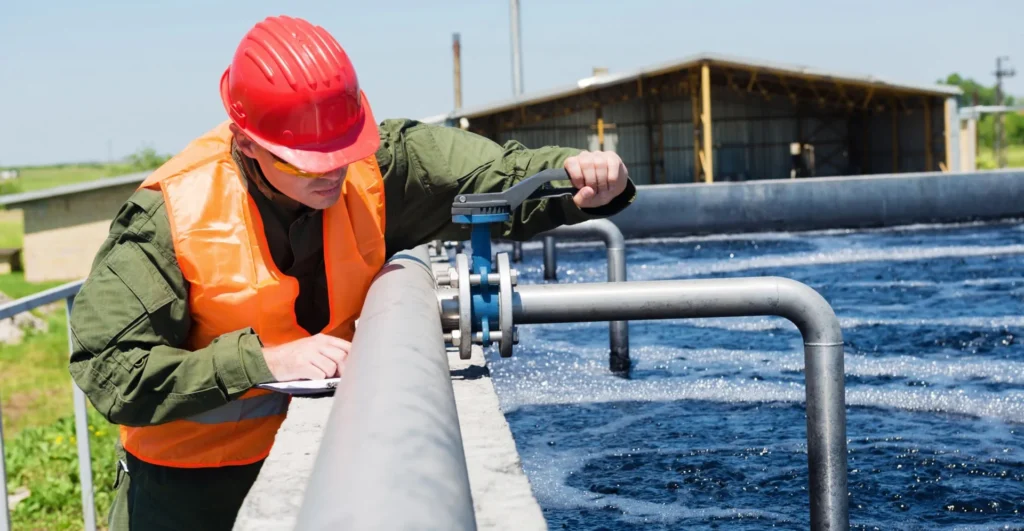
Water is an essential resource for the power industry, playing a crucial role in cooling processes, generating steam, and maintaining plant operations. As a result, power companies in Australia rely heavily on water treatment plants to ensure that their operations meet the stringent environmental standards set by local regulators. Water treatment is necessary to safeguard the health of the environment and helps ensure that power plants can continue to operate efficiently without harming surrounding ecosystems.
The Role of Water in Power Generation
Australian water treatment systems are crucial in power plants, where water is typically used for cooling. Large amounts of water are drawn from nearby sources such as rivers, lakes, or even desalinated seawater, then circulated through cooling systems to maintain optimal temperatures in the plant. However, when this water is returned to the environment, it can contain pollutants such as heavy metals, chlorine, and other harmful chemicals that pose risks to local wildlife and ecosystems. Treating this water is essential to mitigate these risks and comply with environmental regulations.
The Importance of Water Treatment Systems in Australia
Australian water treatment systems ensure that power companies meet environmental requirements. These systems are designed to filter and purify water, removing contaminants and ensuring that it is safe to return to local water bodies without causing harm. In Australia, where water scarcity and environmental protection are major concerns, these systems are vital for sustainable power generation.
Regulatory Framework for Water Treatment in Power Plants
Australia’s regulatory framework for water management is comprehensive, with strict guidelines and laws governing water discharge from power plants. The National Water Quality Management Strategy (NWQMS), along with state-level environmental regulations, sets the standards for water quality in discharge areas. These regulations are designed to protect aquatic ecosystems from the harmful effects of industrial discharge, and water treatment plants are a key component of meeting these requirements.
Technologies in Water Treatment Systems for Power Plants
To effectively treat water, power plants utilise a range of technologies that address various contaminants. Filtration systems, such as activated carbon and reverse osmosis, remove particulate matter and dissolved impurities. Chemical dosing systems, including chlorine and coagulants, help neutralise harmful substances, ensuring the water is safe for discharge. Advanced treatment technologies also focus on removing heavy metals and potentially toxic chemicals from the water.
The Importance of Professional Water Plant Maintenance in Australia
Maintaining the integrity and efficiency of water treatment systems is critical for power plants to operate within environmental guidelines. Regular maintenance ensures that the water treatment systems function optimally, preventing breakdowns and ensuring compliance with local regulations. In Australia, where extreme weather conditions and operational challenges can impact system performance, having a professional water plant maintenance company is indispensable.
A skilled maintenance team can identify and address issues before they escalate, minimising downtime and ensuring that water treatment plants continue functioning without interruption. This proactive approach extends the equipment’s lifespan and helps maintain the quality of treated water.
The Environmental Benefits of Water Treatment
Effective water treatment is essential not only for compliance but also for the environmental stewardship of power companies. By implementing robust water treatment systems, power plants reduce their environmental footprint, helping to preserve local ecosystems. Clean, treated water returned to the environment supports healthy aquatic life, promotes biodiversity, and protects the health of rivers, lakes, and coastal waters. Furthermore, water treatment systems can reduce the likelihood of fines and penalties for non-compliance with environmental standards, which can have a significant financial impact on power companies.
Water treatment plants are a cornerstone of the power industry’s efforts to meet environmental standards in Australia. By adopting advanced water treatment technologies, power companies ensure they can continue operating sustainably, protecting both the environment and their bottom lines. The role of water treatment systems in this process cannot be overstated, as they provide the necessary solutions to mitigate environmental risks, reduce contaminants, and support the industry’s long-term viability.