NEMA Enclosure Meaning and Uses for Industrial Safety
Introduction
In industrial environments, equipment is exposed to dust, moisture, chemicals, and harsh weather conditions. To ensure safety and reliability, protective housings are essential. One of the most widely recognized standards for protective housings in the United States is the NEMA Enclosure. These enclosures are designed according to ratings defined by the National Electrical Manufacturers Association (NEMA) and play a critical role in maintaining industrial safety, equipment durability, and operational efficiency.
This article explores the meaning of NEMA enclosures, their classification, and how they are used across industries to enhance safety and performance.
What Is a NEMA Enclosure?
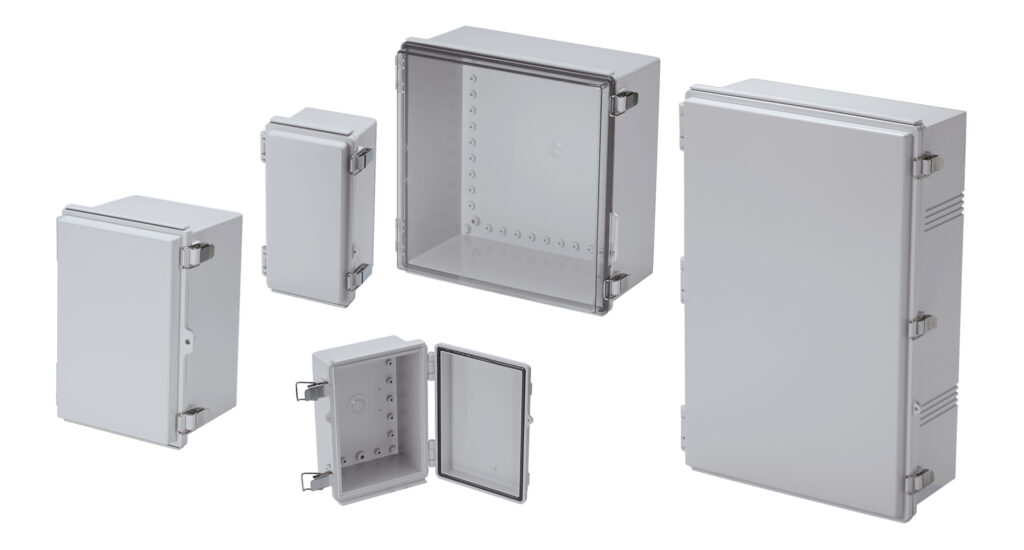
A NEMA enclosure is a housing or casing designed to protect electrical components, wiring, and devices from environmental hazards. The NEMA standard defines how enclosures should perform under specific conditions such as dust exposure, water intrusion, corrosion, and external mechanical damage.
Unlike other international standards such as the IP (Ingress Protection) rating system, NEMA ratings not only describe protection against solids and liquids but also include factors like corrosion resistance, construction material, and environmental suitability.
For example:
- A NEMA 1 enclosure offers basic indoor protection against contact with live parts and limited amounts of dust.
- A NEMA 4X enclosure is designed for outdoor use and provides protection against water, windblown dust, and corrosion.
This flexibility makes NEMA enclosures a cornerstone of industrial safety planning.
Why Are NEMA Enclosures Important for Industrial Safety?
Industrial environments are filled with potential hazards, from corrosive chemicals to extreme weather. Without proper protection, electrical failures could lead to equipment damage, downtime, or even workplace accidents. Here are the main reasons NEMA enclosures are vital:
1. Protection from Environmental Hazards
Enclosures keep out dust, dirt, moisture, oil, and corrosive substances. This ensures sensitive equipment, like control panels and circuit breakers, operates safely and efficiently.
2. Worker Safety
By enclosing live wires and devices, NEMA-rated housings reduce the risk of electric shock, burns, or arc flash incidents, keeping workers safe.
3. Compliance with Standards
Many industries must meet OSHA and NEC (National Electrical Code) regulations. Using the correct NEMA-rated enclosure helps facilities remain compliant and avoid penalties.
4. Reducing Downtime and Costs
Protected equipment lasts longer and requires fewer repairs, reducing maintenance costs and production delays.
Types of NEMA Enclosures
The NEMA standard defines over 20 enclosure types, each designed for a specific environment or level of protection. Below are some of the most common categories used in industrial applications:
NEMA 1
- Use: Indoor applications.
- Protection: Basic protection against accidental contact with equipment and light dust.
- Industry Example: Office buildings, light-duty equipment rooms.
NEMA 3
- Use: Outdoor protection.
- Protection: Against rain, sleet, windblown dust, and ice formation.
- Industry Example: Outdoor control panels, telecommunications.
NEMA 4 / 4X
- Use: Harsh environments, both indoor and outdoor.
- Protection: Against hose-directed water, rain, and corrosion (4X adds extra corrosion resistance).
- Industry Example: Food processing plants, marine applications.
NEMA 6 / 6P
- Use: Submersible conditions.
- Protection: Short-term or prolonged submersion in water.
- Industry Example: Wastewater treatment facilities.
NEMA 12
- Use: Indoor industrial settings.
- Protection: Against dust, dirt, dripping water, and oil seepage.
- Industry Example: Manufacturing plants, workshops.
These ratings make it easier for engineers and facility managers to select the right enclosure for each application.
Industrial Uses of NEMA Enclosures
NEMA enclosures are versatile and find applications across a wide range of industries. Their protective qualities not only extend equipment lifespan but also safeguard workers and processes.
1. Manufacturing Plants
In factories, dust, oil, and debris are constant threats. NEMA 12 enclosures are often used to protect programmable logic controllers (PLCs), switches, and relays from contamination.
2. Oil and Gas Industry
Hazardous environments require enclosures that can withstand corrosive chemicals, explosive atmospheres, and outdoor weather. NEMA 4X and explosion-proof enclosures are common here.
3. Food and Beverage Processing
Cleanliness is critical in food facilities. Stainless steel NEMA 4X enclosures are preferred since they resist corrosion and can withstand high-pressure washdowns during sanitation.
4. Utilities and Power Distribution
Electrical substations and utility providers use NEMA 3 or NEMA 6 enclosures to protect transformers, switches, and meters from outdoor elements.
5. Telecommunications
Outdoor telecom equipment is shielded with NEMA 3R or NEMA 4 enclosures to ensure uninterrupted communication networks.
6. Water and Wastewater Treatment
Facilities exposed to water and chemicals rely on NEMA 6P or NEMA 4X enclosures to protect pumps, sensors, and control units.
Key Benefits of Using NEMA Enclosures
Enhanced Equipment Lifespan
By preventing dust, moisture, and corrosive substances from entering, enclosures extend the life of electrical devices.
Improved Safety Standards
They reduce the risk of accidents caused by live wires or faulty equipment, directly improving workplace safety.
Versatility
From clean indoor offices to rugged outdoor oil fields, NEMA enclosures cover a broad spectrum of uses.
Cost Savings
Fewer breakdowns and replacements mean reduced operational costs over the long term.
Choosing the Right NEMA Enclosure
Selecting the correct enclosure depends on the environment and application. Here are a few factors to consider:
- Location: Indoor or outdoor use.
- Hazards Present: Exposure to water, dust, corrosive chemicals, or extreme temperatures.
- Material: Steel, stainless steel, fiberglass, or polycarbonate depending on durability needs.
- Accessibility: Ease of opening for maintenance while ensuring safety.
Consulting with an electrical safety professional or engineer can ensure the best choice for specific operational conditions.
NEMA Enclosures vs. IP Ratings
It is important to note the difference between NEMA and IP ratings.
- NEMA ratings consider not only ingress of dust and water but also additional factors like corrosion, construction materials, and even operation under ice.
- IP ratings are purely about ingress protection (dust and water).
In the U.S., NEMA ratings are the preferred standard, while internationally, IP ratings are more common. Understanding both systems helps industries working across borders maintain compliance.
Future Trends in NEMA Enclosures
With the rise of Industry 4.0 and smart factories, enclosures are evolving to accommodate IoT devices, sensors, and high-speed networking equipment. Future NEMA enclosures will likely focus on:
- Better heat dissipation for electronics.
- Integration with smart monitoring systems.
- Lightweight, eco-friendly materials.
- Modular designs for flexible installation.
Conclusion
A NEMA enclosure is more than just a box—it is a safeguard for workers, equipment, and entire industrial operations. By providing protection from environmental hazards, reducing safety risks, and ensuring compliance with regulations, NEMA enclosures play an indispensable role in industrial safety.
Whether in a manufacturing plant, oil refinery, or water treatment facility, selecting the right NEMA-rated enclosure ensures equipment operates reliably and safely. As industries continue to advance, these enclosures will remain a critical part of maintaining efficiency, safety, and compliance.