Water Treatment Solutions for Industrial Operations
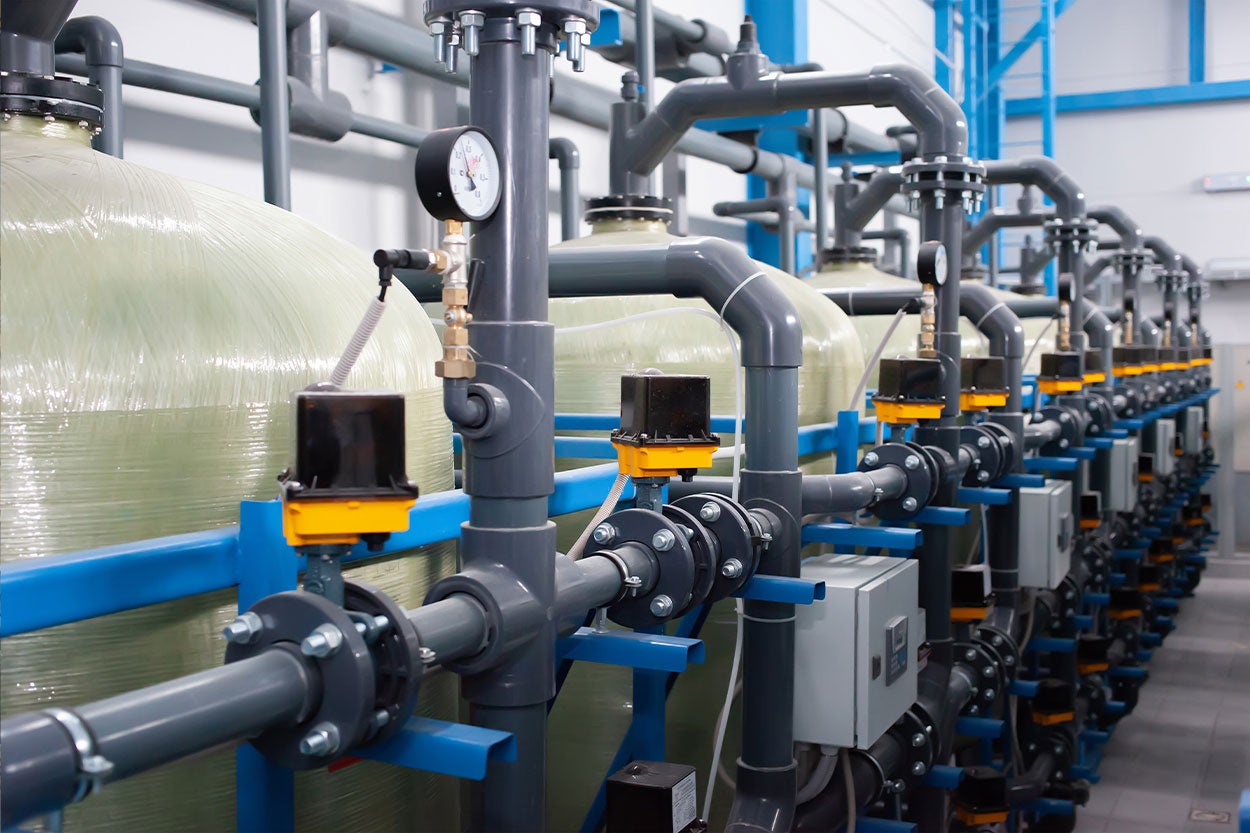
Industrial operations rely heavily on water for a myriad of processing tasks. However, the maintenance of quality and purity in water resources heavily influences efficiency, cost, and environmental impact. Thus, ensuring that water used in these processes meets safety and sustainability standards is non-negotiable. The implementation of robust water purification solutions is essential for industries ranging from manufacturing to food processing. Keep reading to understand how such treatments can enhance operational efficiency and environmental responsibility.
Customized Water Treatment Solutions for Various Industries
Each industry faces unique challenges when it comes to water treatment, depending on the nature of their operations. Food and beverage manufacturers prioritize the removal of contaminants that could affect taste and safety, while pharmaceutical companies focus on ultra-pure water for drug production. Understanding these industry-specific requirements is essential for developing successful treatment solutions.
Customized treatment configuration is often necessary to meet diversified industrial demands. Such customization could range from simple filtration systems to complex, multi-stage processes. Whether the goal is to remove suspended solids, disinfect, or adjust pH levels, tailored solutions ensure that water quality meets the specific needs of each sector.
Consulting water purification specialists is a critical step for industries aiming to upgrade their treatment systems. These experts can conduct thorough water quality assessments and recommend technologies best suited to an industry’s particular needs. Additionally, they can provide insights into regulatory compliance and operational cost savings.
Implementing Advanced Filtration Systems for Industrial Wastewater
Advanced filtration systems are at the forefront of industrial wastewater treatment. Technologies such as reverse osmosis, nanofiltration, and ultrafiltration remove a wide range of impurities, including fine particles, bacteria, and dissolved solids. These systems are vital in ensuring that water returning to the environment, or being reused, meets stringent quality standards.
Mechanical filtration, such as sand and carbon filtering, serves as a pre-treatment step in many instances. These techniques effectively remove larger particles, which can protect and extend the life of more sensitive secondary treatment systems. This staged approach to a successful treatment ensures thorough purification and optimization of the entire process.
Biological treatment methods, like activated sludge systems and biofilters, lend themselves well to the degradation of organic pollutants in wastewater. Such processes use microorganisms to break down contaminants into less harmful substances. These natural mechanisms serve as a sustainable alternative or adjunct to chemical treatments, potentially reducing an industry’s carbon footprint and chemical use.
The Role of Automation in Industrial Water Treatment Processes
Automation has revolutionized the way industries approach water purification. Automated control systems manage complex treatment operations with greater precision and reduced labor. By utilizing timers, sensors, and programmable logic controllers, these systems offer enhanced performance while minimizing human error.
Intelligent systems also contribute to real-time data analysis, allowing operators to make informed decisions based on accurate water quality measurements. This level of control ensures that the treatment processes function at optimal conditions, adjusting to variations in water flow or contamination levels automatically. The outcome is a more efficient, responsive, and reliable water purification process.
Moreover, automation brings another significant advantage—the ability to remotely monitor and adjust water purification systems. Operators do not need to be on-site to oversee processes, as remote access allows for off-site management and troubleshooting. This flexibility is particularly beneficial for industries that operate across multiple locations or have treatment systems in remote or challenging environments.
Investing in Eco-Friendly Water Treatment Technologies for Sustainability
As industries seek to minimize their environmental footprint, investing in eco-friendly water treatment technologies has become a priority. Green technologies focus on reducing chemical use, lowering energy consumption, and promoting the reusability of water. This shift towards sustainability not only benefits the environment but can also lead to significant cost savings.
Utilizing renewable energy sources to power treatment processes is one way to make water purification more sustainable. Solar or wind-powered systems reduce reliance on fossil fuels and decrease greenhouse gas emissions. Meanwhile, innovations in treatment technologies aim to use less water and recover more during the purification process.
Eco-friendly treatment solutions often incorporate natural treatment methods, such as constructed wetlands and biofiltration. These systems mimic natural purification processes to treat industrial wastewater, offering a holistic approach that merges seamlessly with the environment. By leveraging the inherent capabilities of ecosystems, these solutions provide an efficient way to cleanse water while maintaining biological diversity.
Overall, the integration of advanced, customized water treatment solutions is not merely a regulatory necessity or an operational requirement; it is a strategic investment in the future of the industry and the planet. By embracing innovative and sustainable technologies, industries can achieve greater efficiency, positioning themselves favorably in an increasingly aware global market.