AI Art: Exploring the Technological Frontiers, Ethical Dilemmas, and Social Impact
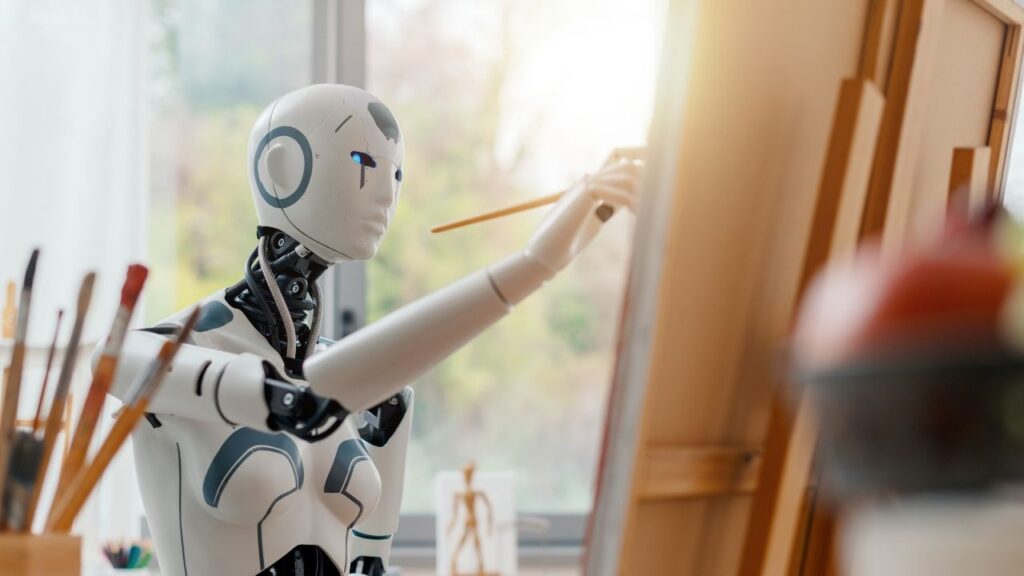
The intersection of artificial intelligence and creative expression has catalyzed one of the most significant transformations in visual arts since the advent of photography. As we witness the explosive growth of ai art across digital platforms, galleries, and commercial applications, we find ourselves navigating a complex landscape of technological innovation, ethical considerations, and shifting definitions of creativity. https://neurobriefs.app/nudify-ai-technology-ethics This revolution in digital creativity has democratized artistic production while simultaneously raising profound questions about authenticity, consent, and the future relationship between human and machine in the creative process.
Understanding Art-AI Technology
What Is Art-AI?
Art-AI refers to a specialized subset of artificial intelligence systems designed specifically for generating or manipulating visual content in creative contexts. Unlike traditional digital art tools that function as instruments directly controlled by human artists, art-AI systems employ complex neural networks that can autonomously generate visual compositions based on textual descriptions, reference images, or learned artistic styles.
These systems vary in their capabilities and applications, but generally fall into several categories:
- Text-to-image generators that transform written prompts into visual compositions
- Style transfer algorithms that apply artistic techniques from one image to another
- Image manipulation tools that can modify existing visuals according to specified parameters
- Collaborative assistants that work alongside human artists to enhance their creative workflows
What distinguishes modern art-AI from earlier computer-generated art is the remarkable level of coherence, aesthetic sophistication, and contextual understanding these systems can now demonstrate.
How Art-AI Works
The foundation of contemporary art-AI systems lies in deep learning architectures—particularly generative adversarial networks (GANs) and diffusion models—trained on massive datasets of images. At a high level, the process involves:
- Training Phase: The AI system analyzes millions of images, learning patterns, styles, and the relationship between visual elements and their textual descriptions.
- Input Processing: When a user provides a prompt or reference image, the system interprets this input using its trained understanding of visual language.
- Generation Process: The AI applies its learned patterns to create new visual content that satisfies the parameters specified in the input.
- Refinement: Many systems employ iterative processes to enhance their outputs, sometimes using feedback mechanisms to improve results.
This apparent simplicity masks extraordinary computational complexity. Modern art-AI systems employ billions of parameters and sophisticated attention mechanisms to maintain compositional coherence and stylistic consistency across diverse creative contexts.
Applications and Uses
Art-AI has rapidly expanded beyond experimental curiosity to find practical applications across numerous domains:
- Creative Exploration: Artists use AI tools to overcome creative blocks, explore new aesthetic directions, or rapidly visualize concepts.
- Commercial Design: Marketing teams and graphic designers leverage AI for generating visual assets, product concepts, and brand materials.
- Entertainment Media: Game developers, film studios, and animation houses utilize AI for concept art, environmental design, and character visualization.
- Educational Contexts: Art educators incorporate AI tools to demonstrate concepts, engage students, and explore new pedagogical approaches.
- Accessibility: Individuals with limited artistic training or physical limitations can express visual ideas that might otherwise be difficult to realize.
These applications represent only a fraction of how art-AI is transforming creative practices across professional and amateur contexts.
Technical Strengths and Ethical Challenges
Technical Advantages
From a technical perspective, art-AI systems offer several compelling strengths:
- Rapid Ideation: AI can generate dozens or hundreds of visual concepts in minutes, enabling unprecedented speed in creative exploration.
- Stylistic Versatility: Advanced systems can emulate countless artistic styles with remarkable fidelity, from Renaissance painting to contemporary digital art.
- Novel Combinations: AI can merge disparate visual elements and aesthetic approaches in ways that might not occur to human creators.
- Accessibility: People without extensive traditional artistic training can translate their ideas into visually sophisticated images.
- Technical Assistance: Professional artists can leverage AI to handle technical aspects of creation, freeing them to focus on conceptual development.
These capabilities have made art-AI an increasingly valuable tool for both professional creatives and casual users.
Ethical Risks and Challenges
Despite its impressive capabilities, art-AI technology raises significant ethical concerns:
- Copyright Issues: Many systems are trained on existing artwork without explicit permission from original artists, raising questions about appropriate attribution and compensation.
- Artistic Devaluation: The ease of generating visually impressive results through AI may undermine appreciation for human skill, intention, and labor in artistic creation.
- Representational Bias: AI systems often reproduce and sometimes amplify biases present in their training data, including problematic representations of gender, race, and cultural elements.
- Misuse Potential: Some applications allow for inappropriate manipulation of images, particularly the creation of non-consensual intimate imagery through “deepnude” technologies.
- Authenticity Questions: The lack of human intention behind AI-generated images challenges traditional notions of artistic meaning and expression.
These ethical challenges have prompted ongoing debates about appropriate regulation, use guidelines, and compensation models for art-AI technologies.
Legal Status and Implications
Regulatory Landscape
The legal framework surrounding art-AI technologies, particularly those with potential for misuse like deepnude-AI, varies significantly across jurisdictions:
- United States: Several states have enacted legislation specifically targeting “deepfake” technologies, with a particular focus on non-consensual intimate imagery. Federal legislation addressing these issues is under active consideration.
- European Union: The Digital Services Act includes provisions that may apply to misuse of AI image manipulation, with the UK’s Online Safety Act explicitly criminalizing the sharing of AI-generated intimate images without consent.
- Australia: Recent amendments to eSafety legislation specifically address AI technologies that generate or manipulate intimate imagery without consent.
- South Korea: Has implemented some of the most comprehensive laws against digital sex crimes, including mandatory watermarking requirements for AI-generated imagery.
Despite these developments, significant regulatory gaps remain, particularly regarding enforcement across jurisdictional boundaries and rapid technological evolution.
Potential Consequences
The misuse of art-AI technologies, particularly deepnude applications, can result in serious legal and personal consequences:
- Criminal charges related to harassment, cyberbullying, or non-consensual intimate imagery
- Civil liability for defamation, emotional distress, or invasion of privacy
- Violations of copyright or intellectual property when manipulating protected images
- Professional consequences including employment termination and reputational damage
- Educational penalties, as seen in recent school cases involving misuse of these technologies
The severity of these consequences reflects growing recognition of the serious harm these technologies can cause when used inappropriately.
Human Dignity, Consent, and Boundaries
Personal Rights Violations
The misuse of art-AI technologies raises fundamental concerns about human dignity and personal rights:
- Right to Personal Image: Individuals should maintain control over how their likeness is used and represented, a right violated when images are manipulated without consent.
- Bodily Autonomy: Non-consensual generation of intimate imagery fundamentally violates the principle that individuals should control representations of their bodies.
- Privacy Protection: Even in public spaces and on social media, people reasonably expect certain boundaries around how their images may be used or transformed.
- Psychological Welfare: Victims of non-consensual image manipulation often experience significant distress, anxiety, and social harm that cannot be easily remedied.
These violations highlight how technological capabilities must be balanced against fundamental human rights and dignities.
Consent and Digital Ethics
The emergence of sophisticated AI manipulation technologies necessitates a reconsideration of consent in digital contexts:
- Posting an image online does not constitute consent for its manipulation, particularly in ways that create sexually explicit or compromising content.
- Traditional consent frameworks were not designed for algorithmically generated or manipulated content, creating significant protection gaps.
- Technical capability has outpaced ethical frameworks, requiring new approaches to establishing appropriate boundaries for AI use.
- Legitimate art-AI communities increasingly emphasize consent-based approaches, requiring permission when depicting recognizable individuals.
These considerations underscore the need for more sophisticated ethical frameworks as art-AI technologies continue to evolve and become more accessible.
The Path Forward
Balancing Innovation and Protection
As we navigate the future of art-AI, several approaches may help balance technological innovation with necessary protections:
- Technical Safeguards: Developing robust watermarking, detection systems, and consent verification mechanisms within AI platforms.
- Educational Initiatives: Expanding digital literacy programs to help users understand both the capabilities and ethical implications of art-AI.
- Industry Standards: Establishing clear ethical guidelines for AI development, training data collection, and appropriate application.
- Regulatory Frameworks: Developing thoughtful, technically-informed legislation that addresses harmful applications without unduly restricting creative innovation.
- Community Norms: Fostering responsible user communities that establish and enforce ethical standards for art-AI application.
These complementary approaches recognize that no single solution will adequately address the complex challenges presented by rapidly evolving art-AI technologies.
Conclusion
The emergence of ai art represents both extraordinary creative opportunity and significant ethical challenge. As these technologies continue to evolve and proliferate, they offer unprecedented possibilities for artistic expression, democratized creativity, and new forms of visual communication. However, their potential for misuse—particularly in applications that violate consent, dignity, and personal rights—cannot be ignored.The most promising path forward lies not in either uncritical embrace or wholesale rejection of these technologies, but in thoughtful approaches that harness their creative potential while establishing necessary ethical guardrails. By emphasizing consent, transparency, and respect for human dignity, we can work toward a future where art-AI enhances rather than undermines our creative landscape. The ongoing conversation around these technologies will shape not only how we create art, but how we understand the evolving relationship between human creativity and machine intelligence in the digital age. https://neurobriefs.app/nudify-ai-technology-ethics