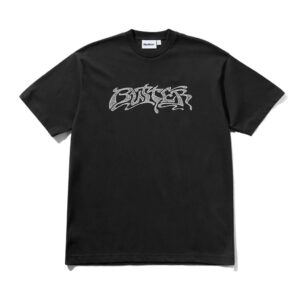
Washing a Printed Butter Goods Tee So the Graphic Outlasts the Shirt
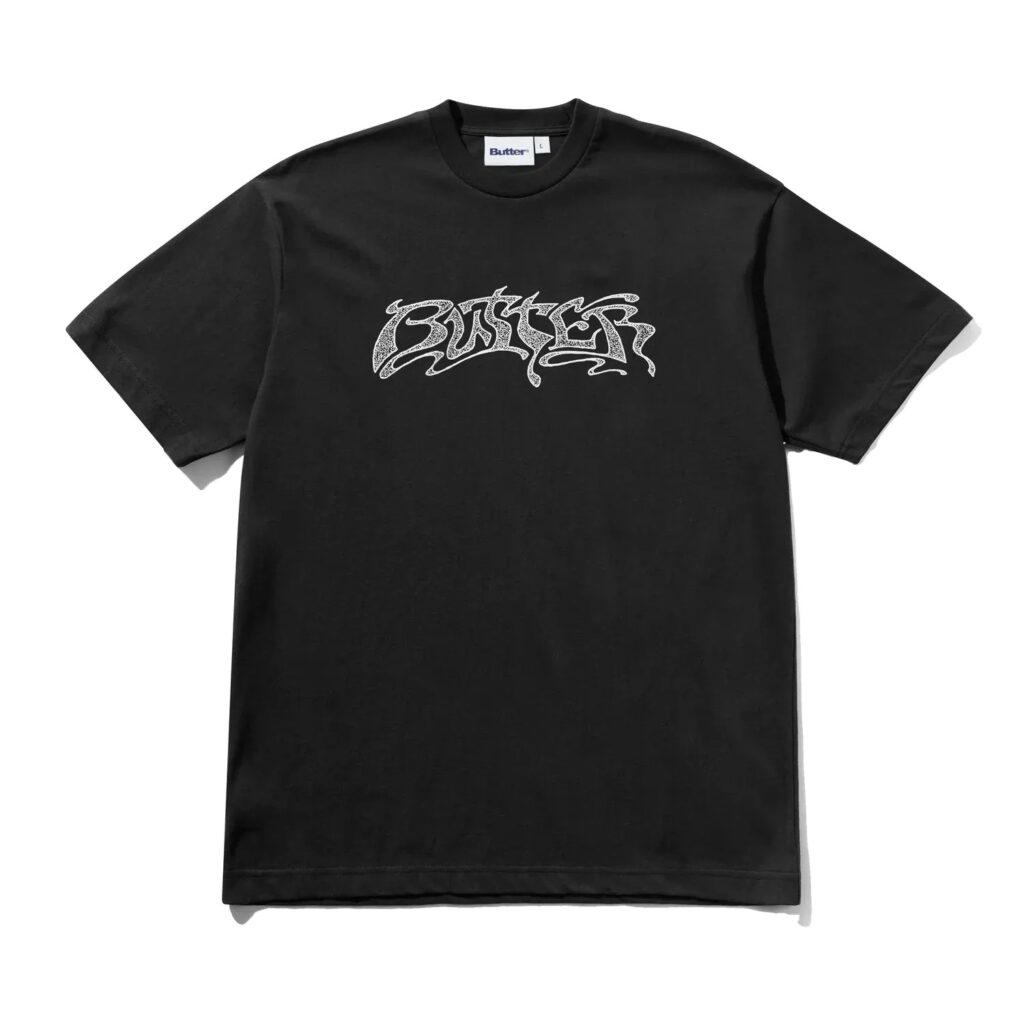
What gives out first is hardly ever the cotton. It’s the print — a hairline crack across a logo, then a flake, then a pale patch where the ink used to be, and a shirt that’s otherwise healthy suddenly looks finished. Most of that happens at home, in a machine, in roughly four minutes. Tees at Butter Goods sit around A$80–90 on sale just now, which feels like reason enough not to cook them.
What actually cracks a print
A screen print isn’t a dye. It never soaks into the yarn — the ink sits on the face of the cotton jersey as a thin skin, set with heat when the shirt was made. Flexible enough in everyday wear, sure. But it’s a different material to the fabric under it, and the two don’t really move together.
So heat is the enemy, and a dryer serves up heat and mechanical stress at once: the ink softens, the jersey shrinks, the whole thing gets flung against a hot drum for half an hour. Cracks start as lines you only see when you stretch the fabric. Months later they’re flakes on the floor.
The iron does it faster than anything. Press a chest print flat and the ink goes tacky, picks up the texture of the board, sometimes lifts onto the plate. Don’t. Go inside out and press the back. A logo applique or embroidery handles heat better; a screen print doesn’t.
Inside out, cold, and whatever else is in the load
Flipping a tee inside out takes two seconds and does more than any detergent you could buy. The print rides the cycle against the smooth drum wall instead of grinding on buttons and seams. Same for a back print.
What you wash it with matters nearly as much as the temperature. Soft cotton is gentle on itself. Add one hard object and the maths change.
- Jeans with chunky rivets and a metal fly, knocking about against anything soft
- A zip-thru hood with the zip left open, teeth out — honestly the worst offender
- Towels, which shed lint over dark cotton and rough the surface up as they go
- Press-studs, hooks, buckles, anything with a buried metal edge
- A drum packed so tight that nothing moves, so everything rubs in place
Temperature is the quieter half. A 30 °C wash, or cold if your machine does a proper cold cycle, keeps the ink stable and stops dark dye from leaving a bit at a time. Liquid detergent, normal dose, no bleach. Hot water on a printed tee is a mistake you won’t spot for months.
Washed and distressed finishes play a different game
Not every tee starts in the same place. Some have been through a garment wash before they were packed — the Basic Tee in Washed Black and Washed Plum, and the Jive Overlock Stitch Tee in Distressed Black and Distressed Cove. Their colour is already knocked back on purpose.
Which changes how ageing looks. A garment-washed black keeps drifting, and since it was never flat jet black, the drift reads as part of it. A crisp dark tee hasn’t got that cover. Choosing between finishes across the Butter Goods T Shirt range, the washed ones forgive average laundry habits far more.
Distressed detailing wants its own care, mind. Overlock stitching sitting proud outside a seam catches on things, and a loose thread dragged through a cycle with a zip is how a flaw that looked meant to be there becomes a hole. Snip them flush. Never pull.
The routine, in order
None of this is complicated and it adds maybe ninety seconds.
- Turn the tee inside out, and do up every zip, stud and hood drawcord going in with it.
- Sort by weight, not colour — soft cotton together, denim and heavyweight fleece apart.
- Cold or 30 °C, the shortest cycle that’ll do, liquid detergent, no bleach.
- Drop the spin speed if you can. A hard spin sets the creases you’d then iron.
- Get it out as the cycle ends rather than leaving it damp in a heap.
- Pull the neckband and hem back into shape by hand while the cotton is wet.
- Hang it inside out in the shade and air dry. Skip the dryer. Seriously — that step matters more than the other six together.
| Pro Tip: A wavy neckband is usually recoverable. Soak the tee, lay it flat, push the collar back into a circle with your fingers, then leave it alone until it’s bone dry. Cotton sets in whatever shape it dries in. Hanging a heavy wet tee from the shoulders is what stretched it, so peg by the hem next time. |
The line, the sun, and dark tees going chalky
Line-drying is the cheapest win going here, and we mostly do it wrong. Direct Australian sun is brutal on dye. Leave a Washed Black or an Eggplant tee out under a December sky at 30 °C and the shoulders bleach first, because they face up. A white tee doesn’t mind. Anything darker does.
Shade dries nearly as fast. Under the eaves, on a verandah, on a rack by an open window through a humid Brisbane week — all fine. Peg at the hem, inside out, and the print spends the whole time in the dark. If a cold change is on the way, bring it in.
Pilling creeps up separately, and that’s abrasion rather than washing. Bobbles form wherever something rubs the same patch daily — a backpack strap across the chest, a bag you drag over one shoulder. A fabric shaver lifts them off and the boxy cut looks near enough new.
Frequently Asked Questions
Can I use the dryer on low heat?
You can, and the print will last noticeably less time for it. Low heat is still heat, and the tumbling is the other half of it. Caught short, ten minutes on the coolest setting and then onto a rack is a fair compromise. A full cycle isn’t.
Does washing inside out genuinely help, or is that a myth?
It helps, for a dull mechanical reason: the ink is on the outside face, so turning the shirt puts fabric between the print and everything abrasive in the drum. It won’t stop heat damage, mind. But it’s free.
My black tee has gone slightly grey. Can I fix it?
Not really. Lost dye doesn’t come back, and home dyeing a printed garment risks staining the ink an odd shade. You can stop the next one going the same way, though: cooler water, shade, no towels. A Butter Goods tee in a washed finish hides that drift from the start.
| Key TakeawaysHeat cracks screen prints — the dryer and a hot iron do more harm than a hundred cold washes.Inside out, cold or 30 °C, short cycle, low spin, nothing metal in the load.Reshape the collar wet, then peg by the hem and air dry in shade.Direct sun fades dark dye unevenly, and the shoulders always go first.A garment wash keeps ageing, but on those finishes it reads as the finish, not neglect. |
A Butter Goods tee is a ten-year shirt treated gently and a two-summer shirt treated carelessly, and the gap is a cold cycle and a line in the shade. Worth knowing before you pick the next one — scroll the Butter Goods tee colours and prints and choose something you’d happily look after this well.